
In a move that has sent ripples across global geopolitics and financial markets, President Donald Trump has confirmed he is actively considering a limited military strike against Iran. This revelation comes amidst a significant U.S. military buildup in the Middle East, intensifying an already volatile situation and keeping the world on edge.
The President’s Deliberation: A Tightrope Walk
Speaking at a White House breakfast with U.S. governors, President Trump acknowledged, “I guess I can say I am considering that,” when pressed by reporters about potential military action against Tehran. This statement follows his earlier indication that a decision regarding an attack on the Islamic Republic would be made within the next 10 to 15 days. Despite the hawkish rhetoric, Trump has also maintained that a diplomatic resolution regarding Iran’s nuclear program remains a possibility, signaling a complex and evolving strategy.
The President’s contemplation of “limited strikes” echoes previous U.S. actions, though he has previously warned that a broader attack on Iran would be “far worse” than the targeted strikes launched in June against its nuclear facilities. The current consideration underscores a delicate balance between applying pressure and avoiding a full-scale regional conflict.
Military Might Amassed: A Show of Force
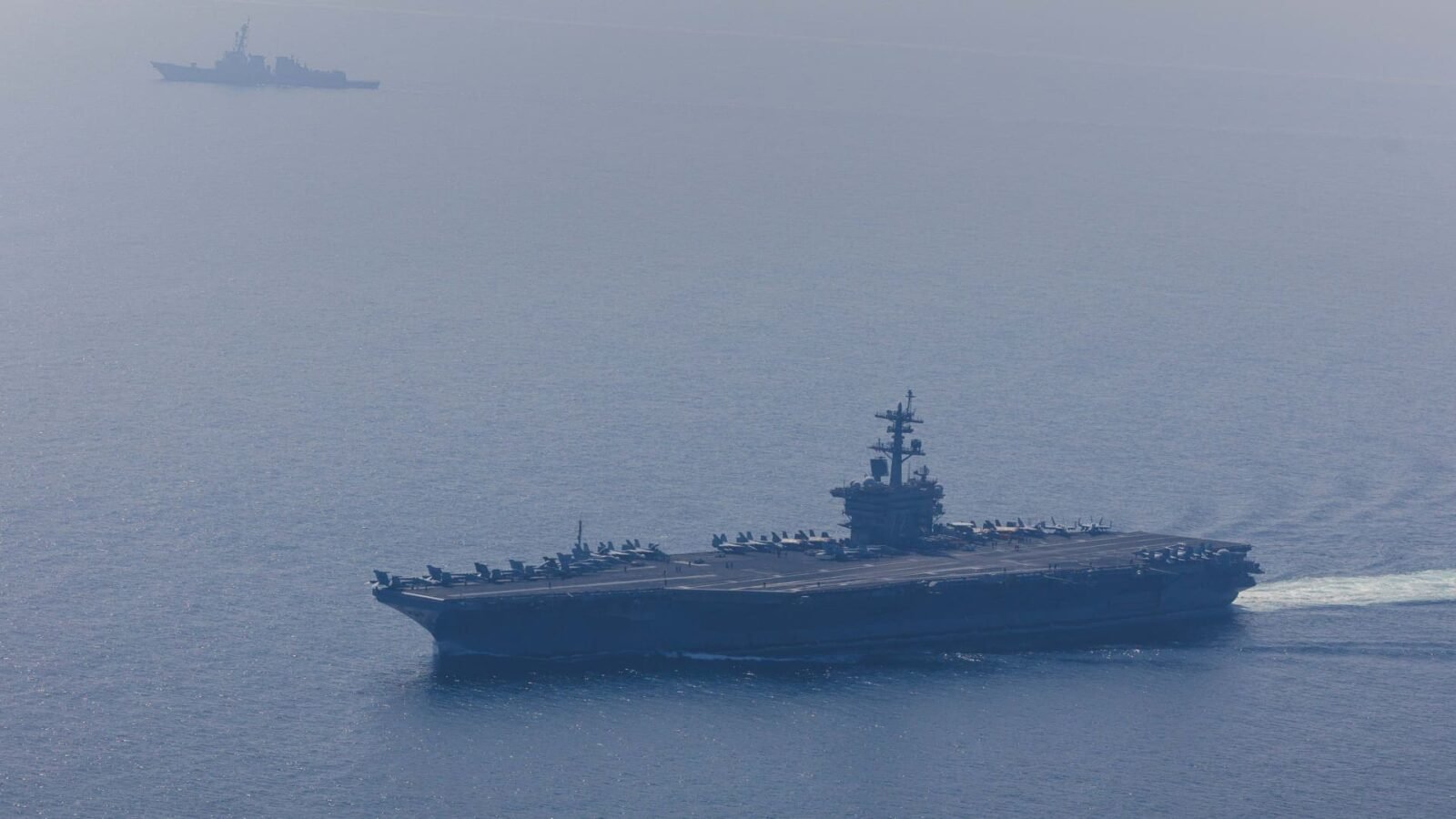
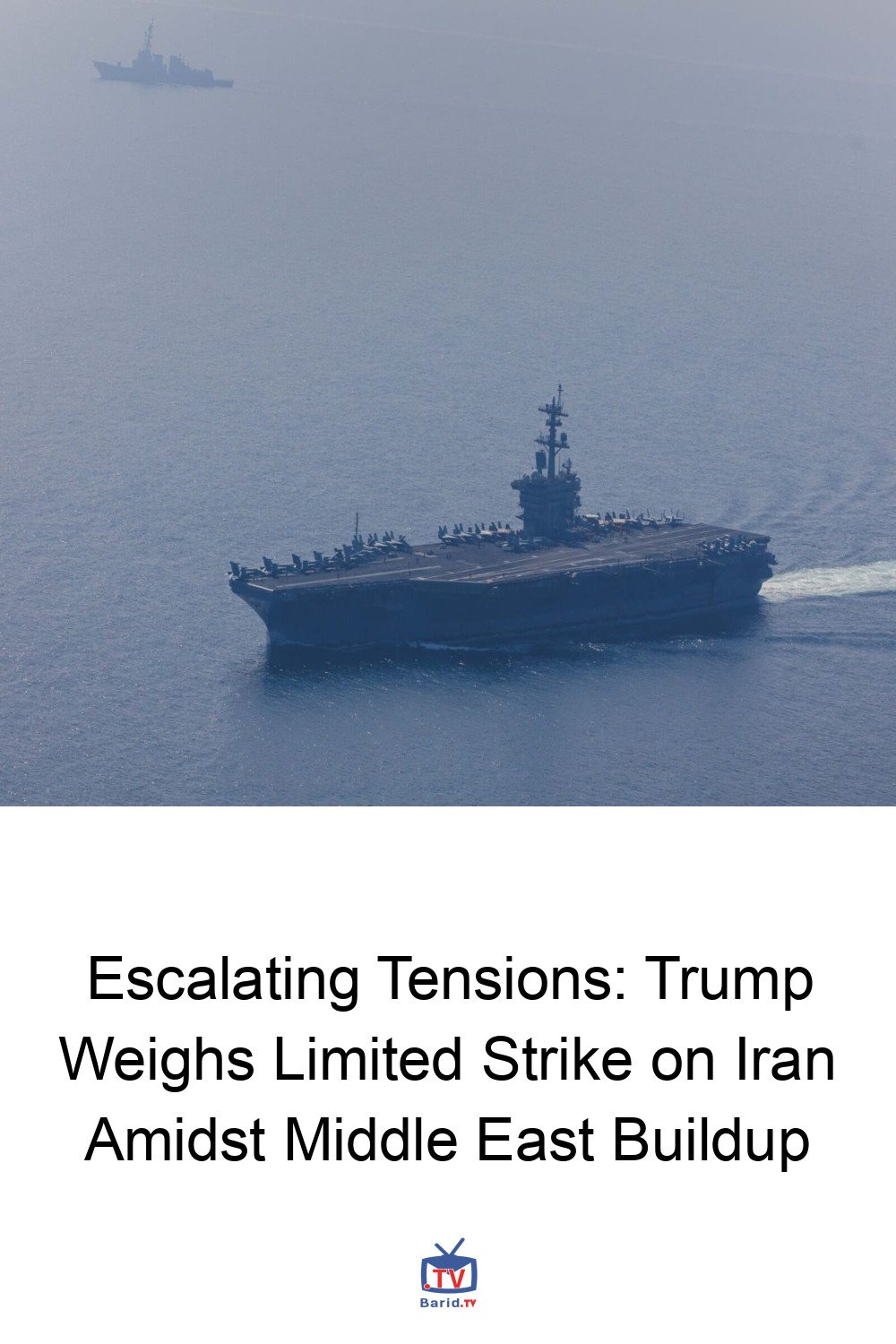
The backdrop to these deliberations is a substantial increase in U.S. military presence in the Middle East. The USS Abraham Lincoln aircraft carrier strike group is already deployed in the region, a powerful symbol of American naval capability. Further reinforcing this posture, the USS Gerald Ford, another formidable aircraft carrier, is reportedly en route. This rapid accumulation of military assets serves as a clear signal of Washington’s readiness to act, should diplomatic efforts fail or provocations escalate.
Oil Markets on Edge: The Strait of Hormuz Factor
The geopolitical tension has predictably impacted global oil markets. While prices stabilized on Friday, they had rallied more than 5% earlier in the week, reflecting traders’ pricing in the palpable risk of imminent U.S. military action. U.S. crude oil closed at $66.39 per barrel, with global benchmark Brent settling at $71.76 per barrel.
A primary concern for the oil market is the potential for a conflict between the U.S. and Iran to disrupt oil flows through the Strait of Hormuz. This narrow waterway is an indispensable chokepoint for global oil trade, with over 14 million barrels per day of oil and condensates transiting its waters on average in 2025. According to consulting firm Kpler, this volume accounts for a staggering one-third of total worldwide seaborne oil exports.
The implications of any disruption are far-reaching, particularly for major Asian economies. Approximately three-quarters of the oil passing through the Strait of Hormuz is destined for key importers such as China, India, Japan, and South Korea, highlighting the strait’s critical role in global energy security.
As the world watches, the coming days will be crucial in determining the trajectory of U.S.-Iran relations and the broader stability of the Middle East.
For more details, visit our website.
Source: Link