
The tech world is abuzz with whispers of a new frontier: AI-powered wearables. Two titans, Apple and Meta, are reportedly gearing up for a high-stakes battle, each envisioning a future where our devices are not just extensions, but intelligent interfaces woven seamlessly into our daily lives. From smart glasses to AI-enhanced accessories, the race to redefine personal technology is heating up, promising a paradigm shift that could either revolutionize interaction or echo past market missteps.
Meta’s Ambitious Smart Glasses and Watch Combo
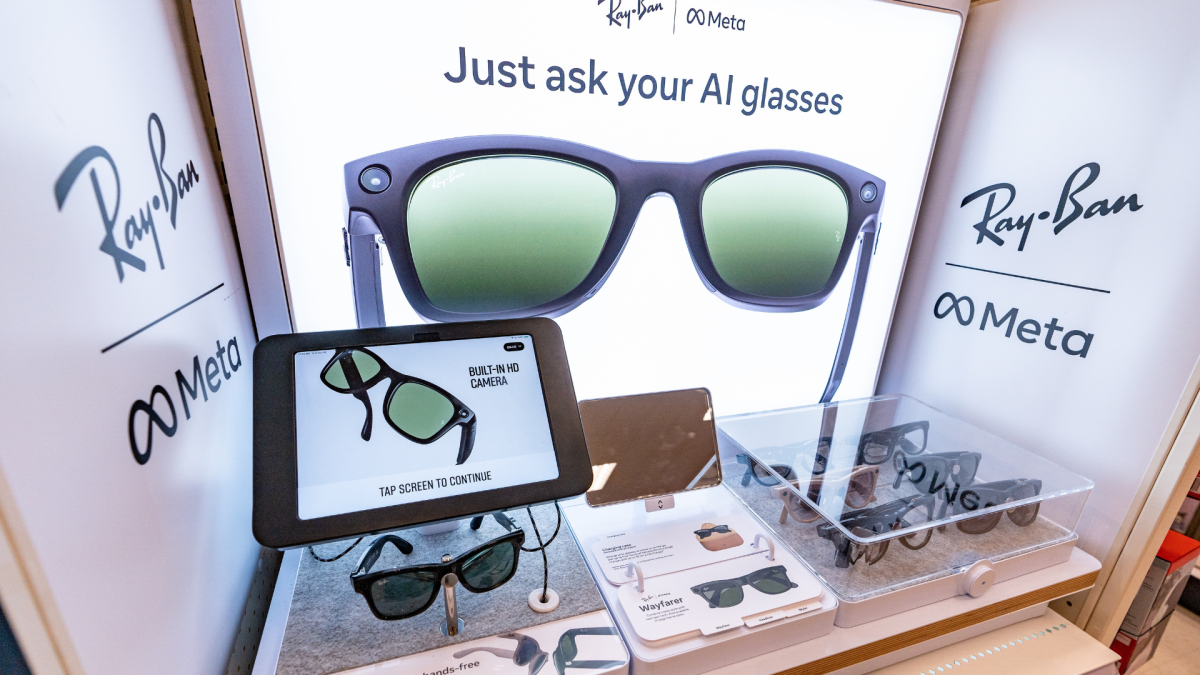
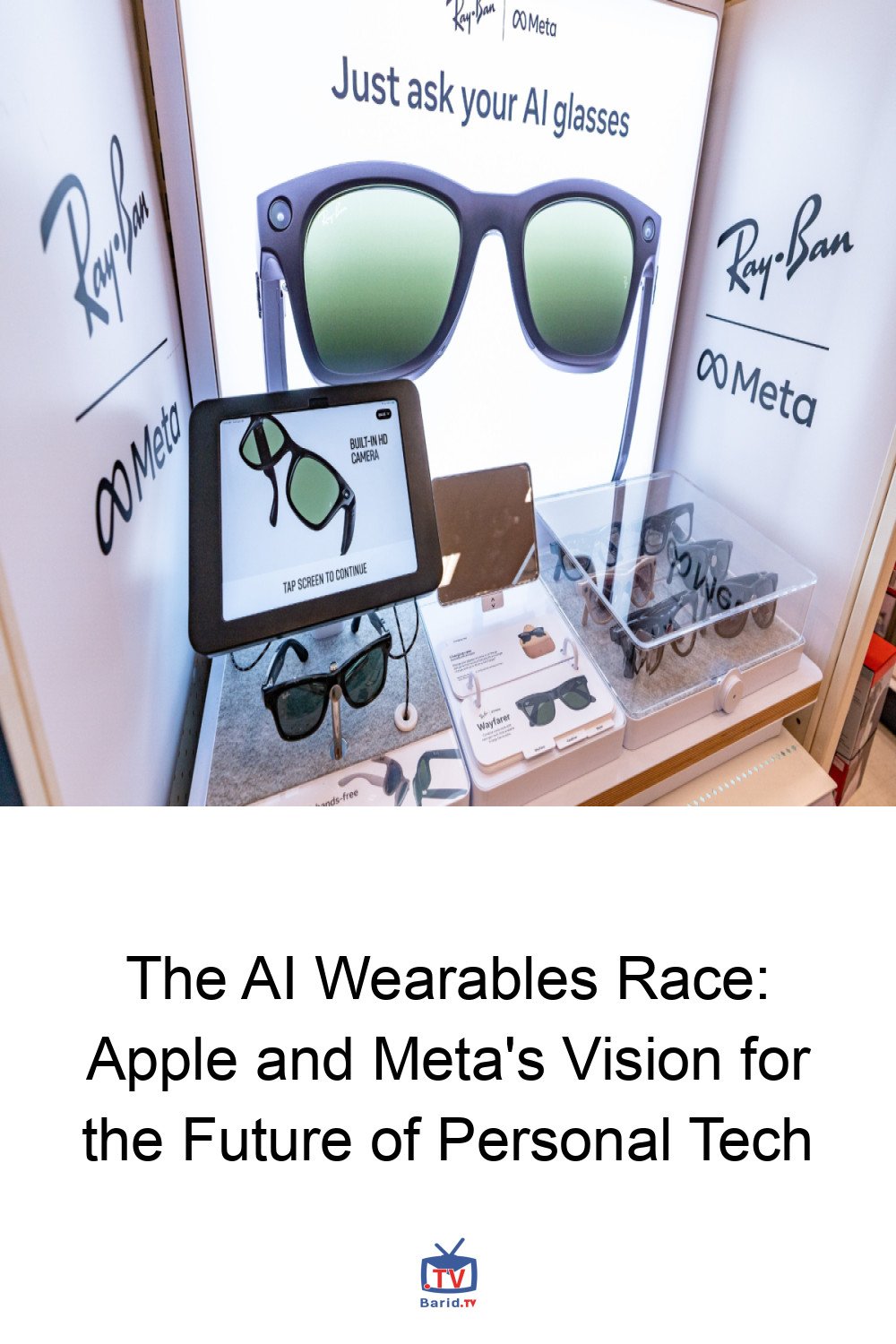
Meta, ever the pioneer in immersive experiences, is reportedly setting its sights on a significant upgrade for its smart glasses. According to a report from The Information, the next generation of Meta’s Display smart glasses could be paired with a dedicated smartwatch, codenamed “Malibu 2.” This isn’t just any smartwatch; while it’s expected to offer fitness tracking and AI capabilities, its primary mission is to serve as a sophisticated wrist-controller, replacing the existing neural band for the smart glasses. If these reports hold true, consumers could see this integrated glasses-and-watch system as early as 2026.
While specific details on pricing and a full feature set remain under wraps, the strategic logic is compelling. Meta has previously explored the smartwatch concept, and integrating it as a controller for smart glasses makes perfect sense. Such a combination could offer a compelling alternative to existing wearables, potentially luring users away from established ecosystems like the Apple Watch by offering a cohesive, advanced interface for their digital lives.
Apple’s Stealthy Foray into AI-Powered Wearables
Not to be outdone, Apple is also reportedly making significant strides in the AI wearable space. Bloomberg reports suggest the Cupertino giant is pushing for an ambitious rollout of its own AI-centric devices. This includes smart glasses slated for an early 2027 release, an innovative AI-powered pendant designed to be pinned to clothing or worn as a necklace, and AirPods with vastly expanded AI functionalities.
Intriguingly, the cameras on these AirPods and the pendant are not for photography in the traditional sense, but rather to “help the AI work,” suggesting a focus on contextual awareness and environmental understanding. Apple’s rumored smart glasses, unlike Meta’s, are said to forgo a display, instead focusing on a high-end camera and superior build quality, all designed to integrate seamlessly with the iPhone ecosystem. This strategy underscores Apple’s commitment to enhancing its existing user experience rather than replacing core devices.
Divergent Strategies: Ecosystem Integration vs. Phone Replacement
The rumored plans reveal two distinct philosophical approaches to the future of wearables. Apple appears to be doubling down on its established ecosystem, designing its AI wearables to work in concert with the iPhone, leveraging its powerful processing and existing user base. The camera-based interaction hinted at for the pendant and AirPods, along with the display-less smart glasses, suggests an evolution of the spatial computing principles seen in the Apple Vision Pro, aiming for subtle, intelligent augmentation of reality.
Meta, on the other hand, seems to be pursuing a more radical vision: a future where smart glasses, controlled by a biometric smartwatch, could potentially replace the smartphone as the primary interface. Its focus on an in-glasses display and muscle-movement-based control, evolving from its neural band technology, points to a desire to create an entirely new, immersive computing platform.
The Unanswered Question: Will Consumers Embrace the AI Future?
While these reports remain unconfirmed – Apple CEO Tim Cook’s vague mention of “categories of products” enabled by AI being the closest official hint – the industry consensus points to a significant investment in connected AI wearables by both tech giants. The critical question, however, remains: are consumers ready for this leap?
Both Apple and Meta have previously made substantial bets on virtual reality, and despite the technological prowess of their respective VR devices, neither has yet achieved the widespread market adoption they likely desired. The prospect of always-available AI and deeply integrated devices is fascinating, but whether it translates into mass consumer excitement and purchases is far from certain. The wearable war is indeed heating up, but the ultimate victor will be determined by user adoption, a factor that has proven notoriously unpredictable in the past. Stay tuned, for the next chapter in personal technology is just beginning.
For more details, visit our website.
Source: Link