
The Super Bowl Ad That Sparked a Surveillance Uproar
A recent Super Bowl commercial for Amazon-owned Ring, intended to evoke heartwarming feelings about finding lost pets, instead ignited a firestorm of privacy concerns. The ad showcased Ring’s new “Search Party” feature, which leverages a network of user cameras to locate missing dogs. However, a leaked internal Ring email, reported by 404 Media, revealed the service’s potential expansion to track other animals and even people, transforming a seemingly benign tool into a perceived neighborhood surveillance dragnet.
The public backlash was swift and severe. Social media and tech press lambasted the feature, leading to widespread criticism and even reports of users physically destroying their Ring cameras. In response, Ring swiftly canceled its partnership with controversial AI surveillance company Flock, and CEO Jamie Siminoff embarked on an apology tour.
Fulu Foundation Steps In: A Bounty for Digital Freedom
Amidst this controversy, the Fulu Foundation, a non-profit founded by repair advocate and YouTuber Louis Rossmann, saw an opportunity. Known for offering bounties to remove user-hostile features from connected devices, Fulu has now launched a $10,000 challenge aimed at Ring camera owners.
“It’s been an interesting moment for people to grasp exactly the trade-off that they have had to accept when they installed these security doorbell cameras,” explains Fulu co-founder Kevin O’Reilly. He emphasizes a fundamental truth: “People who install security cameras are looking for more security, not less. At the end of the day, control is at the heart of security. If we don’t control our data, we don’t control our devices.”
The Challenge: Severing the Amazon Connection
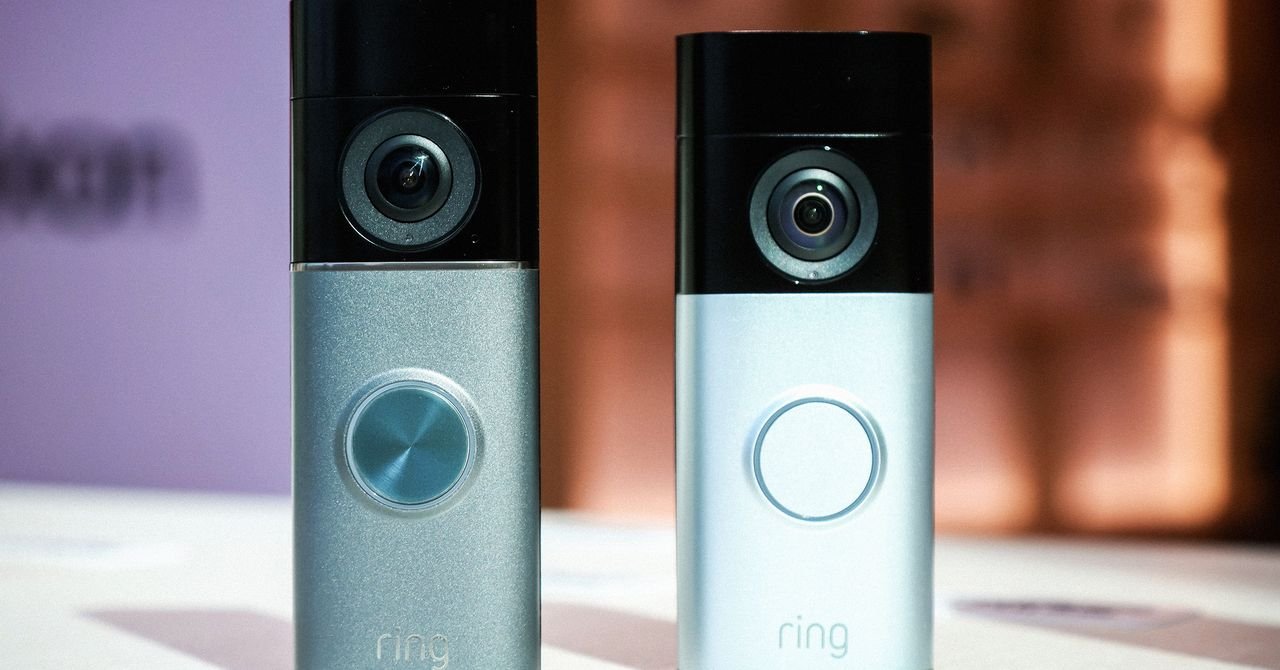
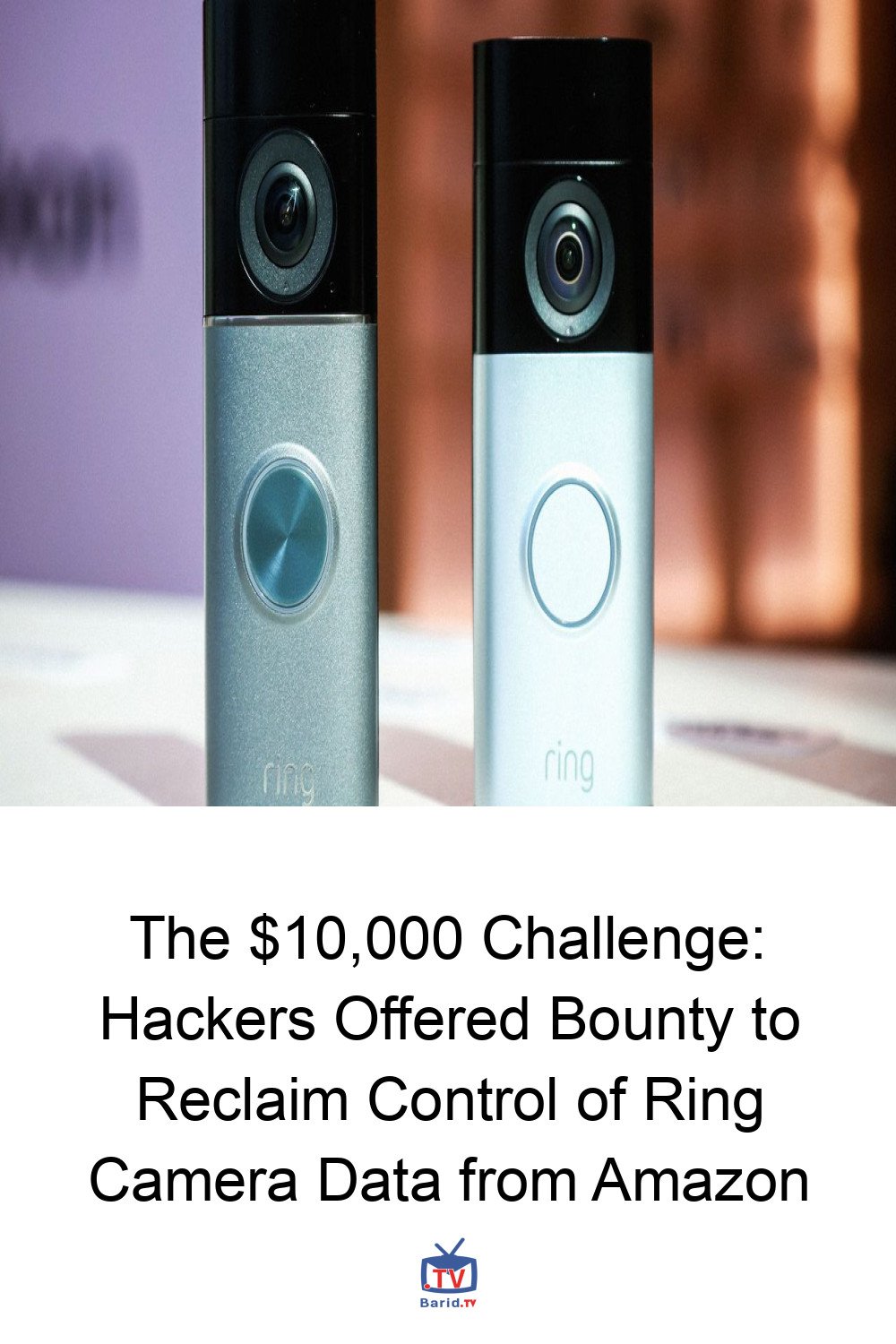
Fulu’s latest bounty targets Ring’s video doorbell cameras, encouraging skilled hackers and tinkerers to develop a method for disabling software features that mandate data transmission to Amazon. The reward, starting at $10,000 and already nearing $11,000 with additional donor contributions, promises a significant payout.
To qualify for the bounty, the solution must meet stringent criteria:
- The modified device must function seamlessly with a local PC or server.
It must completely halt data transmission to Amazon servers or eliminate the need for connection to other Amazon hardware.
- Crucially, on-device hardware features like motion detection and color night vision must remain fully operational.
- The modification must be achievable with “readily available and inexpensive tooling” and accompanied by “instructions that a moderately technical user could carry out” in under an hour.
“This needs to be a weekend project,” O’Reilly states, envisioning a scenario where a concerned user can “take care of it, get it done, and be able to sleep soundly at night knowing that they’re the only ones who can see their footage.”
Navigating Legal Minefields: Section 1201 and User Empowerment
The Fulu Foundation acknowledges the legal complexities surrounding such modifications. Winners are not required to publicly release their findings, a measure designed to protect them from potential legal repercussions under Section 1201 of the Digital Millennium Copyright Act (DMCA), which prohibits circumventing digital locks.
O’Reilly expresses frustration with these legal constraints: “In a perfect world, we’d find somebody who could solve this problem. We’d make it available to Ring owners around the country. But because of Section 1201 and its frankly antiquated and outdated policies, people aren’t going to be able to do that.”
Why Ring? A History of Privacy Concerns
Fulu has long prioritized Ring in its bounty program due to the company’s recurring controversies regarding data collection and user privacy. Despite Ring’s efforts to improve its public image through initiatives like finding lost dogs or partnering with wildfire tracking services, it has struggled to shake off the “panopticon discourse.” The intense reaction to the Super Bowl ad simply propelled this project to the top of Fulu’s agenda.
O’Reilly emphasizes the importance of focusing on software solutions. While some users might resort to destroying their devices, many still desire functional hardware. “Control shouldn’t require a trade-off of all of the features that you like,” he concludes, highlighting the foundation’s commitment to empowering users without sacrificing utility.
For more details, visit our website.
Source: Link