



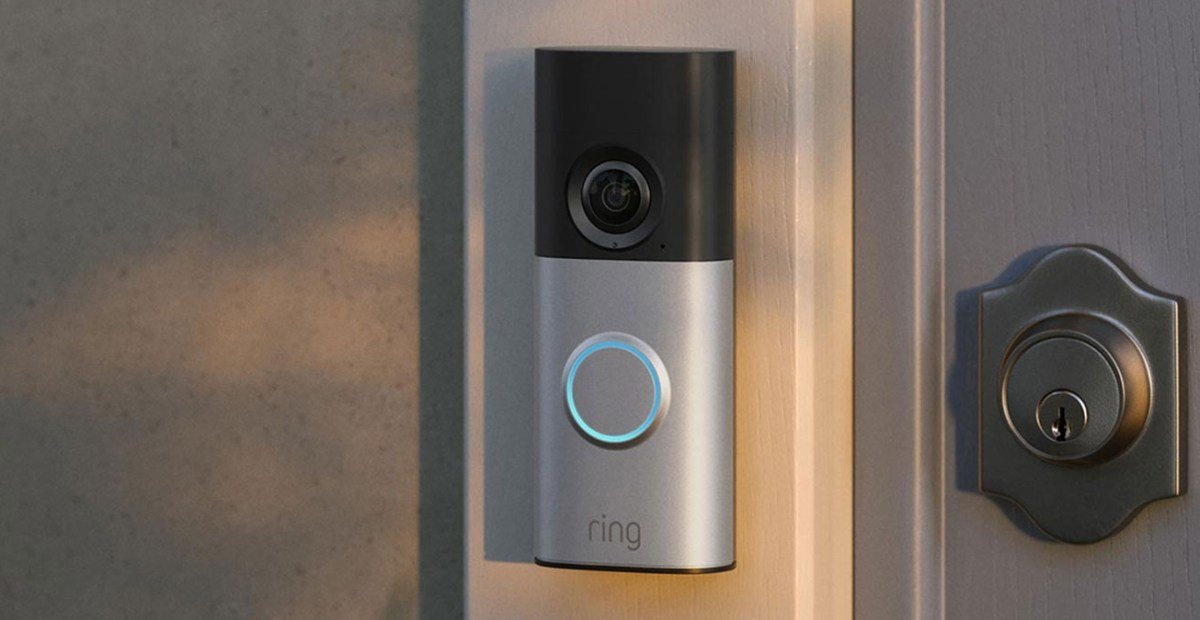

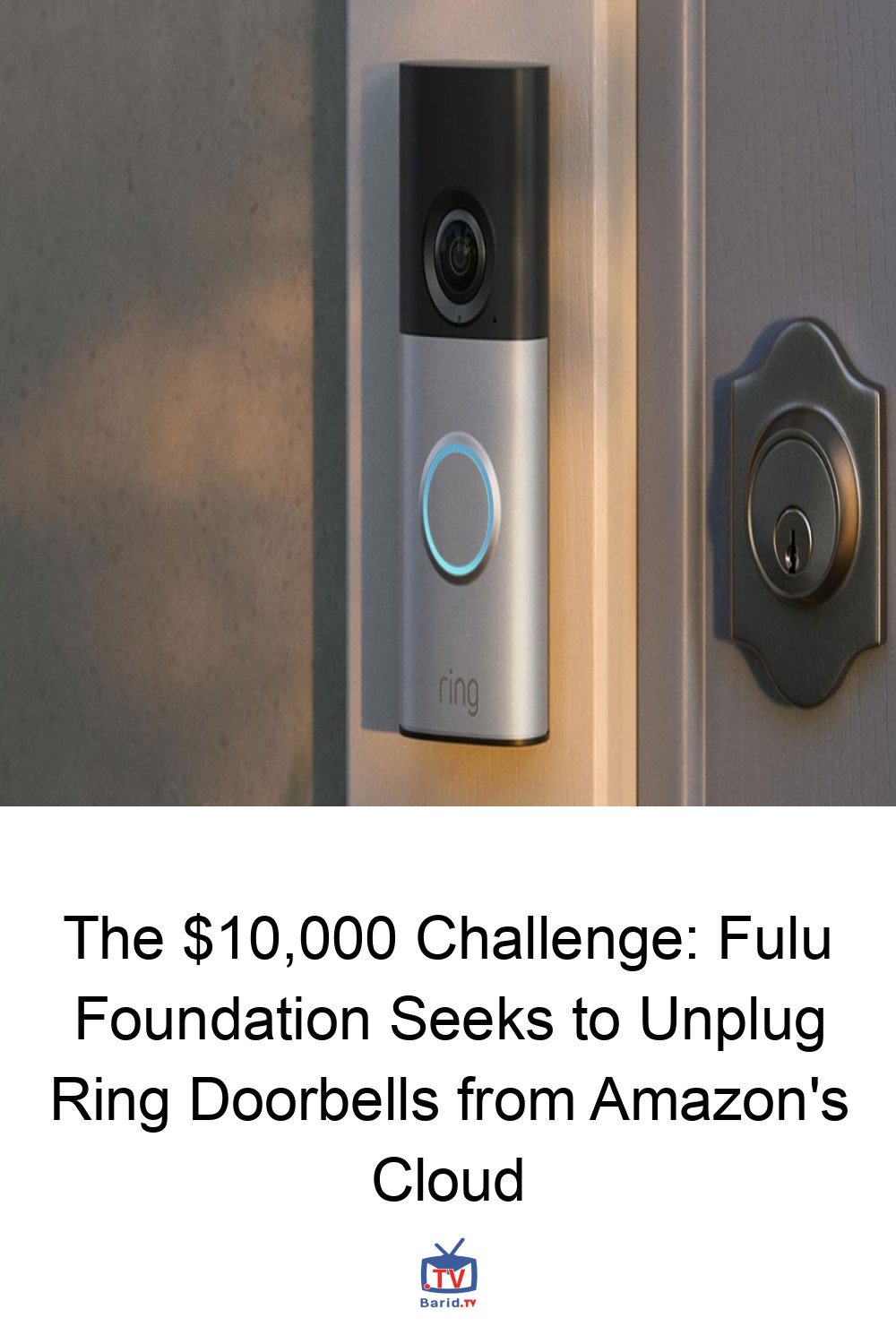
In an era where smart home devices are ubiquitous, the question of data privacy and ownership has become paramount. Ring doorbells, a popular Amazon-owned product, have long been a subject of debate regarding how user footage is stored and accessed. Now, a significant challenge has been issued to the developer community: a bounty exceeding $10,000 awaits anyone who can successfully sever Ring doorbells’ reliance on Amazon’s cloud, enabling users to store their video footage locally.
The Quest for Local Control: Fulu Foundation’s Bold Initiative
The Fulu Foundation, a consumer advocacy group co-founded by prominent YouTuber Louis Rossmann, has launched an ambitious program designed to empower Ring doorbell users. This initiative comes amidst growing concerns over data privacy, particularly following the backlash against Ring’s controversial “Search Party” feature. Fulu is offering an initial bounty of $10,000 to developers who can devise a solution to integrate Ring doorbells with a local PC or server, completely bypassing Amazon’s proprietary cloud infrastructure.
Why the Push for Local Storage?
Currently, Ring users are often tethered to a subscription model to store their recordings on Amazon’s cloud. While Ring does offer a local storage option via “Ring Edge,” it’s exclusively available with the Ring Alarm Pro and still necessitates a subscription. Furthermore, even with end-to-end encryption, footage remains on Amazon’s servers, raising questions about true data autonomy.
The urgency for this solution has been amplified by features like Ring’s AI-powered “Search Party,” which leverages the network of doorbells to locate lost pets and potentially, in the future, assist with crime prevention. While other smart home brands like Eufy, Reolink, and Aqara already provide video doorbells with local storage capabilities, Fulu co-founder Kevin O’Reilly argues that users shouldn’t be forced to replace their hardware when the core issues are software-based.
“In an ideal world, device owners would be able to modify that software to instead push that footage to their own computer or server, should they so choose,” states O’Reilly.
Navigating Technical and Legal Hurdles
The challenge, while exciting, is not without its complexities. Developers must contend with the technical intricacies of integrating Ring doorbells (specifically models released in 2021 or later) with local hardware. The solution must ensure that the device “no longer sends data to Amazon servers or requires connection to Amazon hardware to function.”
Beyond the technical aspects, a significant legal hurdle looms: the Digital Millennium Copyright Act (DMCA). O’Reilly cautions that distributing tools or mechanisms to circumvent existing software locks, even for security-minded owners seeking to assert ownership over their video, could be deemed a copyright crime under the DMCA. This legal constraint adds another layer of difficulty to an already demanding task.
The Bounty: A Call to Innovation
The Fulu Foundation’s initial $10,000 bounty will be awarded to the first individual or team whose solution meets all eligibility requirements. In a further incentive, Fulu has pledged to match any additional donations made by supporters, up to an extra $10,000, potentially doubling the prize. This generous offer underscores the foundation’s commitment to fostering innovation that prioritizes consumer control and privacy in the smart home ecosystem.
This initiative represents a pivotal moment in the ongoing conversation about digital ownership and privacy. It’s a direct challenge to the prevailing cloud-centric model, urging developers to create solutions that put users firmly in control of their own data.
For more details, visit our website.
Source: Link



Leave a comment