
Meta’s Metaverse Pivot: Horizon Worlds Embraces Mobile, Realigns VR Strategy
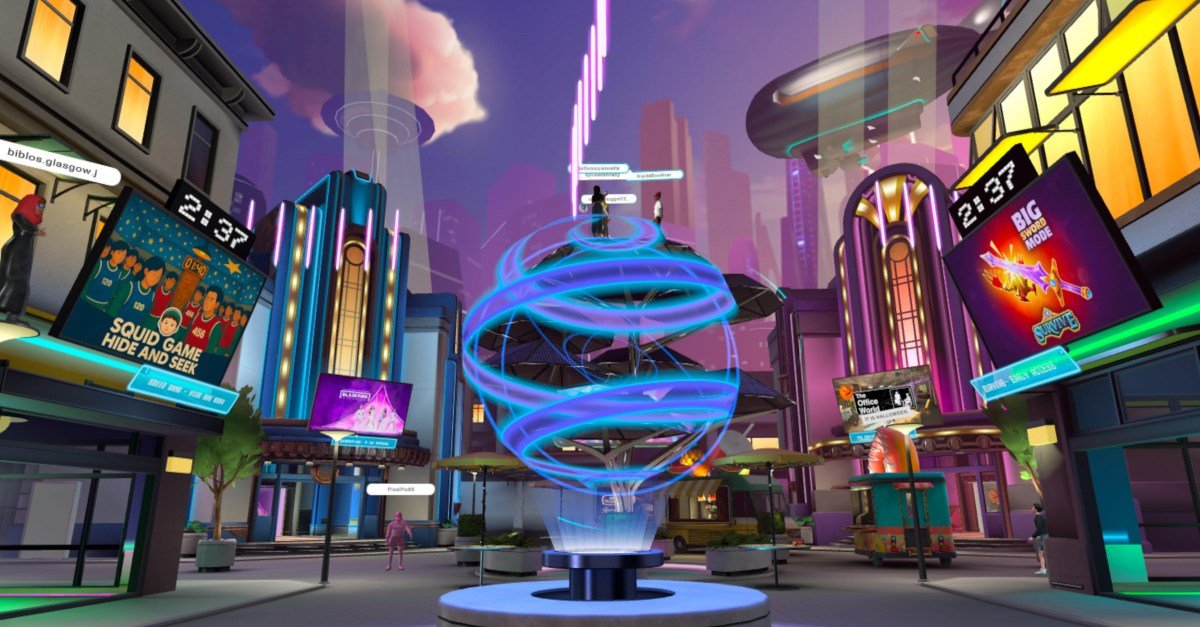
In a significant strategic overhaul, Meta is dramatically re-evaluating its approach to the metaverse, particularly its flagship social platform, Horizon Worlds. After a period marked by substantial layoffs within its Reality Labs division, the closure of VR studios, and a halt to new content for its VR fitness app Supernatural, Meta is now steering Horizon Worlds away from its VR-first origins to become an “almost exclusively mobile” platform.
The Mobile Horizon: A Bold New Direction
The shift represents a clear departure from Meta’s initial vision for Horizon Worlds. Samantha Ryan, Reality Labs’ VP of content, articulated this change in a recent blog post, stating that Meta is “explicitly separating” its “Quest VR platform from our Worlds platform” and “shifting the focus of Worlds to be almost exclusively mobile.” This move positions Horizon Worlds to directly compete with established mobile-first, user-generated content platforms such as Roblox and Fortnite, which have successfully captured vast audiences on smartphones.
Ryan emphasized the rationale behind this pivot: “To truly change the game and tap into a much larger market, we’re going all-in on mobile.” She highlighted Meta’s unique advantage in connecting these experiences with billions of users across its social networks, a strategy that began unfolding in 2025 and is now the company’s primary focus.
VR’s Evolving Role: Hardware and Third-Party Innovation
While Horizon Worlds sheds its VR exclusivity, Meta’s commitment to virtual reality hardware remains steadfast. Ryan confirmed a “robust roadmap of future VR headsets that will be tailored to different audience segments as the market grows and matures.” These upcoming devices, potentially including a new mainline Quest headset, may come with a higher price point, signaling a premium focus for Meta’s hardware division.
However, the software strategy for VR is also evolving. Meta is now prioritizing support for third-party developers. “While we’re proud of the world-class work from Oculus Studios over the years, among 1P and 3P apps, 86% of the effective time people spend in their VR headsets is with third-party apps,” Ryan noted, underscoring the dominance of external content in the VR ecosystem.
Beyond the Metaverse: Zuckerberg’s AI Vision
This strategic realignment for Horizon Worlds also aligns with Meta CEO Mark Zuckerberg’s broader vision, where artificial intelligence is increasingly seen as the next frontier for social media. Zuckerberg envisions a future where AI-generated games and experiences, both 2D and 3D, can be seamlessly shared across user feeds. During the company’s latest earnings call, he remarked, “Horizon, I think, fits very well with the kind of immersive 3D version of that,” suggesting that Horizon Worlds, even in its mobile iteration, could play a role in this AI-driven future.
Meta CTO Andrew Bosworth echoed these sentiments on a recent episode of the Access podcast, further solidifying the company’s shift away from a singular, VR-exclusive metaverse bet towards a more diversified strategy that embraces mobile reach and the transformative potential of AI.
For more details, visit our website.
Source: Link