
The somber silence of a Manhattan courtroom was shattered earlier this month by the heart-wrenching testimony of Dr. David Churchill. With his wife by his side, the Arkansas physician recounted the devastating moment he discovered his 27-year-old son, Reed, lifeless – a victim of a fatal fentanyl overdose. “Cold and dead and stiff,” he described, struggling to suppress tears. “As you might imagine, it was the worst day of my life. We’ve been gutted by this, and we have to live with it every day.”
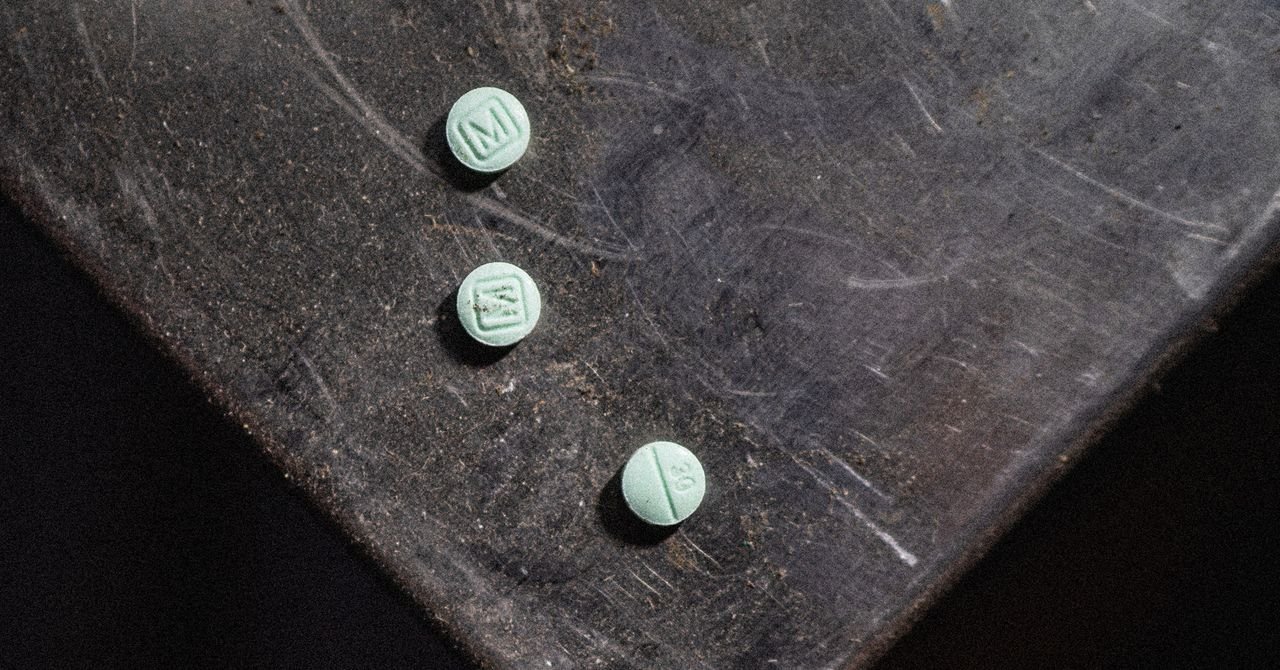
Dr. Churchill’s poignant words were directed at Lin Rui-Siang, a 25-year-old Taiwanese man and convicted administrator of Incognito, a notorious dark web drug market. Lin was facing a 30-year prison sentence, one of the longest ever for dark web drug sales in the US, for his role in a platform that facilitated over $100 million in illicit narcotics, including the fentanyl-laced pills that tragically claimed Reed Churchill’s life. “I want you to remember this face when you’re sitting in a jail cell,” Churchill declared, his voice a mix of grief and righteous anger.
A Shocking Revelation: The FBI’s Shadowy Role
Yet, the narrative of justice took an unexpected turn just moments later. Lin’s defense team unveiled a bombshell revelation: another entity, one operating at the behest of the US government, allegedly played a significant role in Incognito’s operations – potentially even in the sale of the very pills that killed Reed Churchill. That entity? The Federal Bureau of Investigation.
Court filings and statements from Lin’s sentencing hearing point to an FBI “confidential human source” who reportedly helped manage the Incognito marketplace for nearly two years. This informant, tasked with moderating the site, possessed the power to remove vendors selling fentanyl – a substance explicitly banned under Incognito’s own rules. Disturbingly, the defense alleges this FBI asset, at critical junctures, approved the sale of products flagged as potentially contaminated with the deadly opioid.
“A Partnership with the Government”
“The reality is that Mr. Lin ran this site in partnership with someone working at the behest of the government,” Lin’s defense attorney, Noam Biale, asserted to the judge. “The government had the ability to mitigate the harm—and didn’t do it.”
Speaking to WIRED from jail, Lin Rui-Siang himself claimed the unnamed informant was a full and equal partner in Incognito, sharing an equal stake in its profits. Lin alleges the informant handled the vast majority of moderator duties, resolving disputes and deciding which vendors could operate. While Lin admits to controlling the technical infrastructure, he insists the informant directly managed a substantial portion of the site’s transactions. Records of the informant’s communications with the FBI reportedly show the asset claiming oversight of “95 percent” of the site’s deals. “They were literally running the site,” Lin told WIRED. “They were running the day-to-day operations, every aspect you would expect of an actual administrator that doesn’t have technical skills.”
Conflicting Accounts and Allegations of Negligence
The prosecution, however, paints a different picture. In newly unredacted sentencing memos, they contend the informant acted as Lin’s subordinate, taking orders rather than operating as an equal. The prosecution vehemently rejects Lin’s attempt to shift blame for fentanyl sales onto the FBI. “Lin cannot seriously dispute that the decision to allow opioid sales on Incognito was his own,” their filing states. “And, Lin made that decision knowing full well that encouraging opioids is tantamount to welcoming fentanyl poisonings.” The Department of Justice and the FBI have declined to comment beyond their official court filings.
Despite the prosecution’s stance, the defense’s memos highlight several specific instances where the FBI informant, allegedly under the active control of their law enforcement handlers, made decisions that permitted the continued sale of fentanyl-tainted products. These instances, according to Lin’s defense, include approving dealers even after explicit warnings about fentanyl contamination.
Deadly Warnings Unheeded
One chilling example cited occurred in November 2023. An Incognito user lodged a complaint that a vendor had sold fentanyl-laced pills, leading to their mother’s hospitalization. “Someone almost died,” the message read, emphasizing “Medical bills and the police. Not OK.” Yet, the defense memo claims the informant merely refunded the transaction, taking no action to remove the dangerous dealer from the market.
Soon after, another user reported that the same vendor’s pills “ALMOST KILLED ME.” Again, the informant allegedly allowed the dealer to remain active, raising profound questions about the FBI’s oversight and the ethical boundaries of using informants in such high-stakes, life-and-death scenarios.
For more details, visit our website.
Source: Link