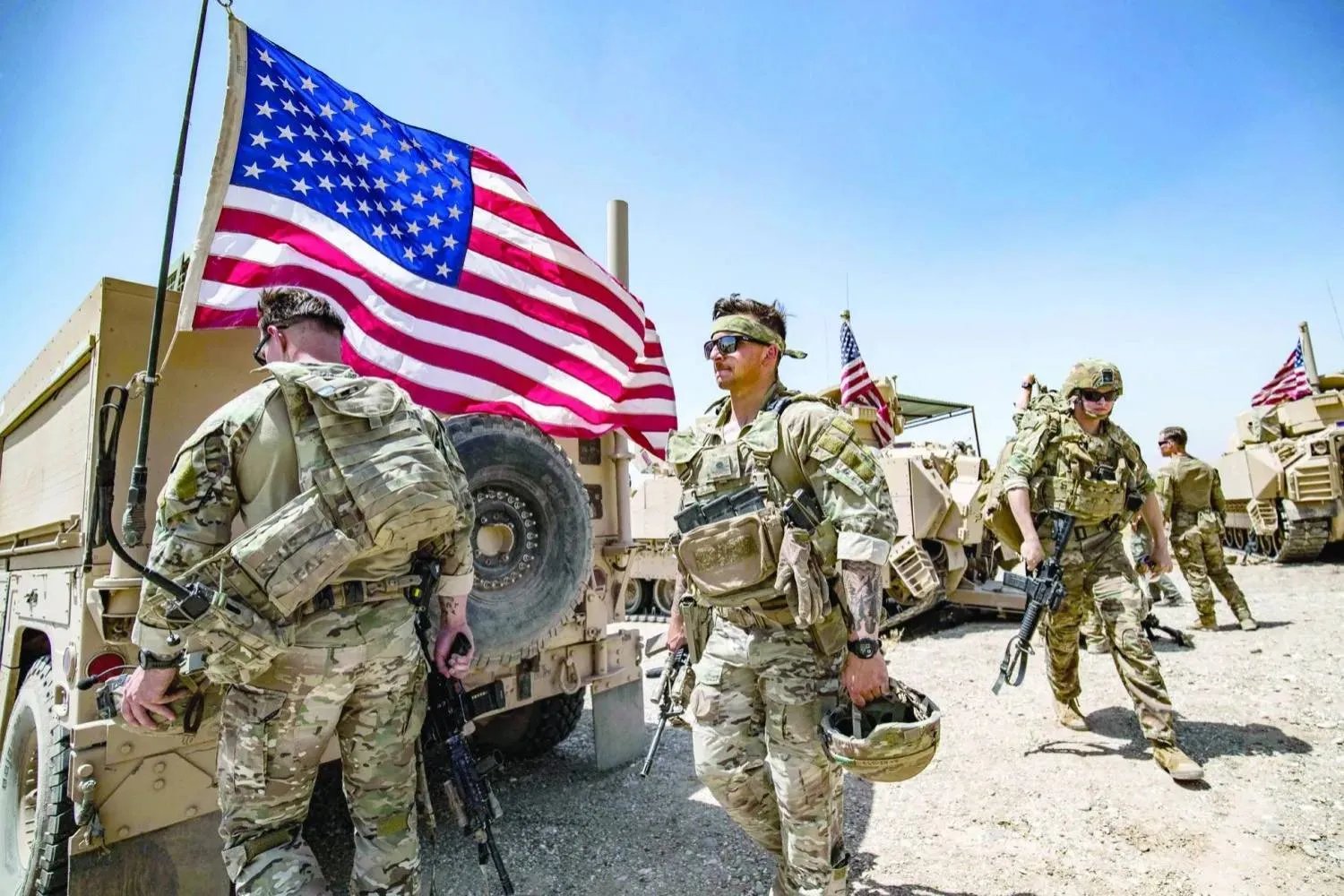

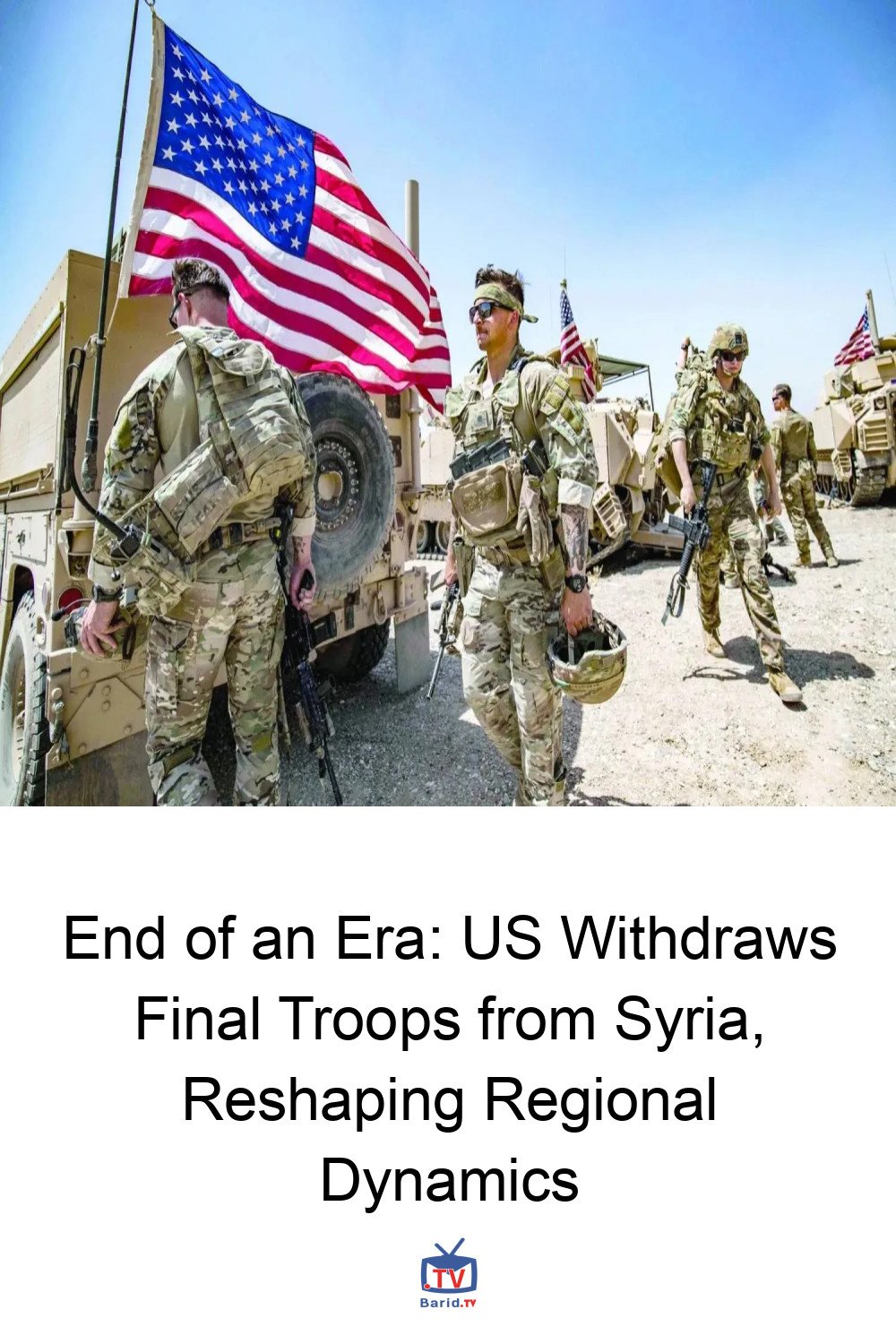
Rabat – A significant chapter in Middle Eastern geopolitics is drawing to a close as the United States prepares to withdraw its final contingent of approximately 1,000 troops from Syria. This strategic move, confirmed by White House officials to the Wall Street Journal, signals the end of a decade-long military presence primarily focused on combating the Islamic State group (ISIS) and is expected to unfold over the coming months.
The Phased Exit and a Shifting Landscape
The impending withdrawal, anticipated to be completed within two months, marks a deliberate and conditions-based transition, according to US Central Command (CENTCOM). This process has already seen tangible progress, with Syrian forces having successfully reclaimed control of the critical al-Tanf military base last week. This handover, near the borders with Iraq and Jordan, was executed through coordinated efforts between Syrian and American sides, underscoring a new level of operational understanding.
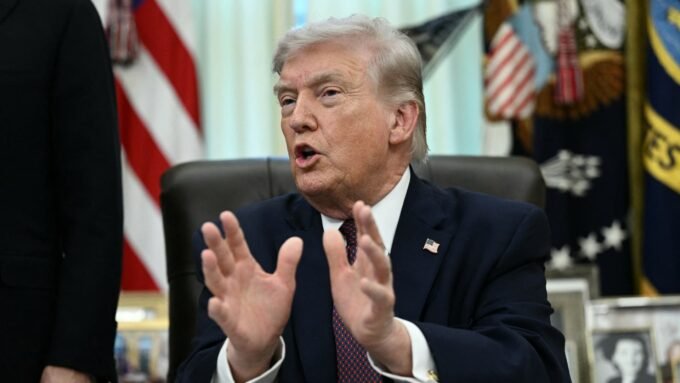
While President Donald Trump has been mulling a full withdrawal since January, the decision comes at a time of profound change within Syria. The downfall of Bashar al-Assad in 2024, coupled with a significantly weakened ISIS, has paved the way for renewed US interest in strengthening diplomatic ties with Damascus. A landmark visit by Syrian President Ahmed al-Sharaa to the White House in November—the first by a Syrian leader in nearly 80 years—underscored this diplomatic thaw.
Syria’s Internal Reconfiguration: A Path to Unity?
The US withdrawal is framed as an integral part of a broader agreement aimed at reconfiguring Syria’s security apparatus and consolidating state authority after years of devastating internal conflict. A cornerstone of this strategy is the planned merger of the Kurdish-led Syrian Democratic Forces (SDF)—the US’s primary partner in the fight against ISIS—with the Syrian Arab Army.
This integration, however, is not without its complexities. Previous attempts by al-Sharaa’s government to extend Damascus’s authority into regions outside its direct control, particularly in the SDF-held Northeast, have sometimes led to deadly clashes and intensified fears of reigniting regional conflict. A US-backed ceasefire deal struck in late January is now seen as the crucial framework for facilitating an orderly and peaceful integration of these forces, aiming to unify Syria under a single security umbrella.
Regional Tensions: Iran and Beyond
White House officials have been keen to clarify that the decision to withdraw from Syria is distinct from the escalating military buildup around Iran. Tensions with Tehran remain high, fueled by President Trump’s threats of military action over crackdowns on anti-government protesters and stalled nuclear negotiations. Recent movements of US naval assets, including the USS Abraham Lincoln aircraft carrier and the impending arrival of the USS Gerald R Ford, the world’s largest warship, near Iran, underscore the persistent regional volatility.
Looking Ahead
As US troops depart, Syria stands at a critical juncture. The withdrawal signifies a shift from direct military intervention to a focus on diplomatic engagement and supporting internal security consolidation. The success of this new chapter hinges on the effective integration of diverse Syrian forces and the ability of the international community to navigate the complex web of regional interests and lingering geopolitical challenges.
For more details, visit our website.
Source: Link