
Zuckerberg’s Day in Court: Meta CEO Defends Instagram’s ‘Utility’ Amid Addiction Lawsuit
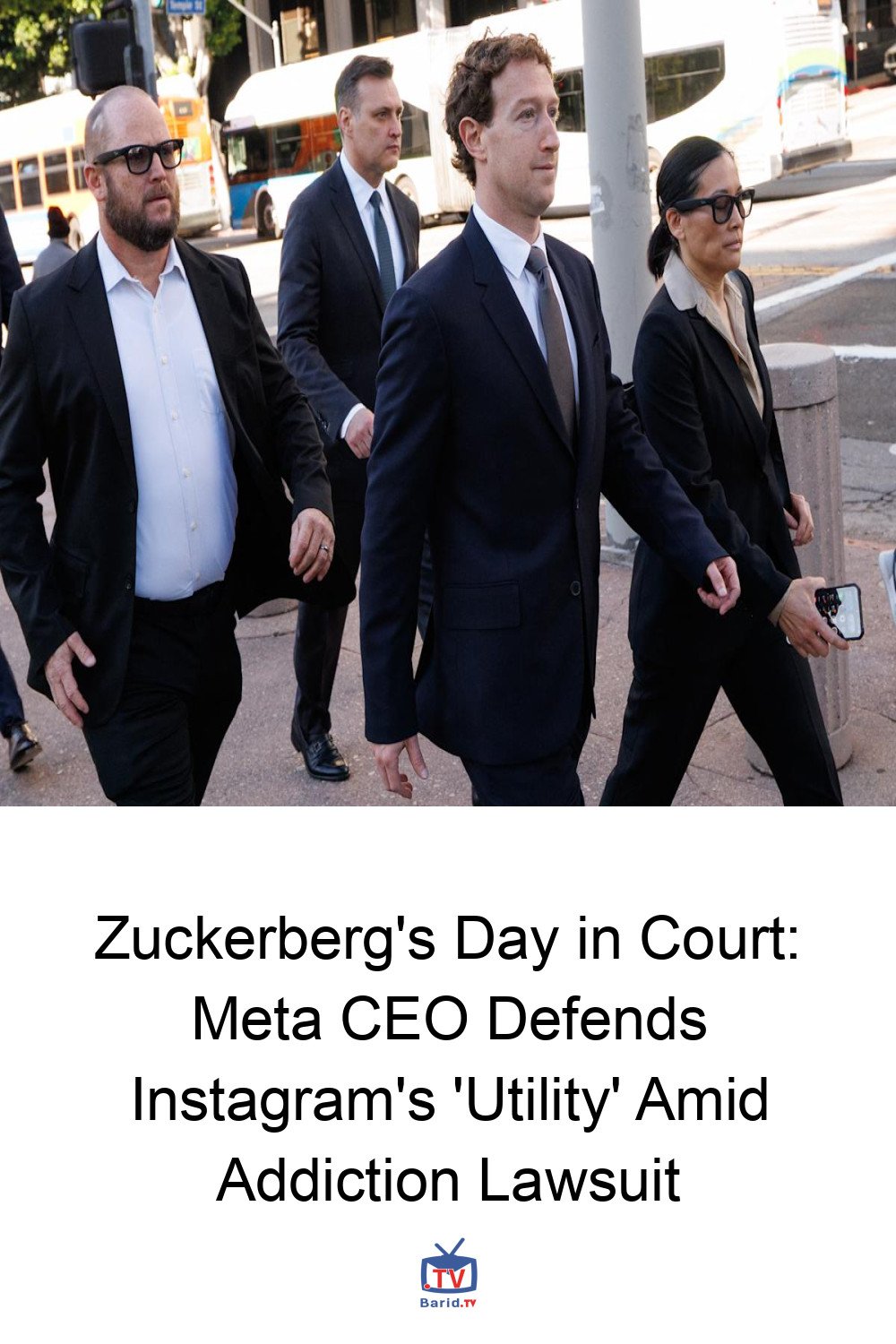
In a highly anticipated and at times “combative” court appearance, Meta CEO and Chairman Mark Zuckerberg took the stand Wednesday in a landmark social media addiction trial. The proceedings, unfolding at the Los Angeles Superior Court, aim to determine whether tech giants deliberately engineer their platforms to be addictive, particularly for children. Zuckerberg’s testimony offered a staunch defense of Instagram’s design philosophy, emphasizing its intended “utility” rather than a drive for increased user screen time.
The ‘Utility’ Defense vs. ‘Engagement’ Goals
Under intense questioning, Zuckerberg addressed a company document that reportedly listed “improving engagement” among Meta’s objectives. However, the Facebook founder countered, stating that the company had “made the conscious decision to move away from those goals, focusing instead on utility.” He elaborated, “If something is valuable, people will use it more because it’s useful to them,” a statement intended to reframe the company’s approach to user interaction.
Roots of the Lawsuit: A Child’s Allegations
The trial originates from a compelling lawsuit filed by a California woman, identified in court documents only as “KGM.” Now 20 years old, KGM alleges that she suffered significant harm as a child due to addictive features embedded within Instagram, YouTube, Snapchat, and TikTok. While TikTok and Snap chose to settle out of court, Meta has pressed forward, facing these serious accusations head-on.
Courtroom Drama: Rogan Remarks and AI Glasses
Zuckerberg’s testimony was not without its moments of tension. He was pressed on previous public statements, including his candid remarks on Joe Rogan’s podcast last year, where he asserted his unassailable control over Meta’s voting power. According to The New York Times, Zuckerberg repeatedly accused the plaintiffs’ lawyer of “mischaracterizing” his past comments, leading to a contentious exchange.
Adding a futuristic twist to the proceedings, the judge issued a stern warning against recording the courtroom using AI glasses. This came after members of Zuckerberg’s entourage were observed wearing Meta’s smart glasses upon their arrival. While it remains unclear if any recording took place, the judge expressed particular concern over the potential for jurors to be recorded or subjected to facial recognition, despite current Meta smart glasses lacking native facial recognition capabilities.
Broader Implications for Social Media Accountability
This Los Angeles trial is more than just a rare public appearance for Zuckerberg; it represents one of the first in a series of cases where Meta will confront allegations of its platforms harming children. Both in this trial and a separate proceeding in New Mexico, Meta’s legal teams have consistently challenged the notion that social media can be classified as a genuine addiction. Instagram chief Adam Mosseri previously echoed this sentiment in the same Los Angeles trial, testifying that Instagram is not “clinically addictive.” The outcomes of these trials could set significant precedents for how social media companies are held accountable for their platform designs and their impact on young users.
For more details, visit our website.
Source: Link