
Zuckerberg on the Stand: Meta CEO Defends Teen Wellbeing and Engagement Goals in Landmark Trial
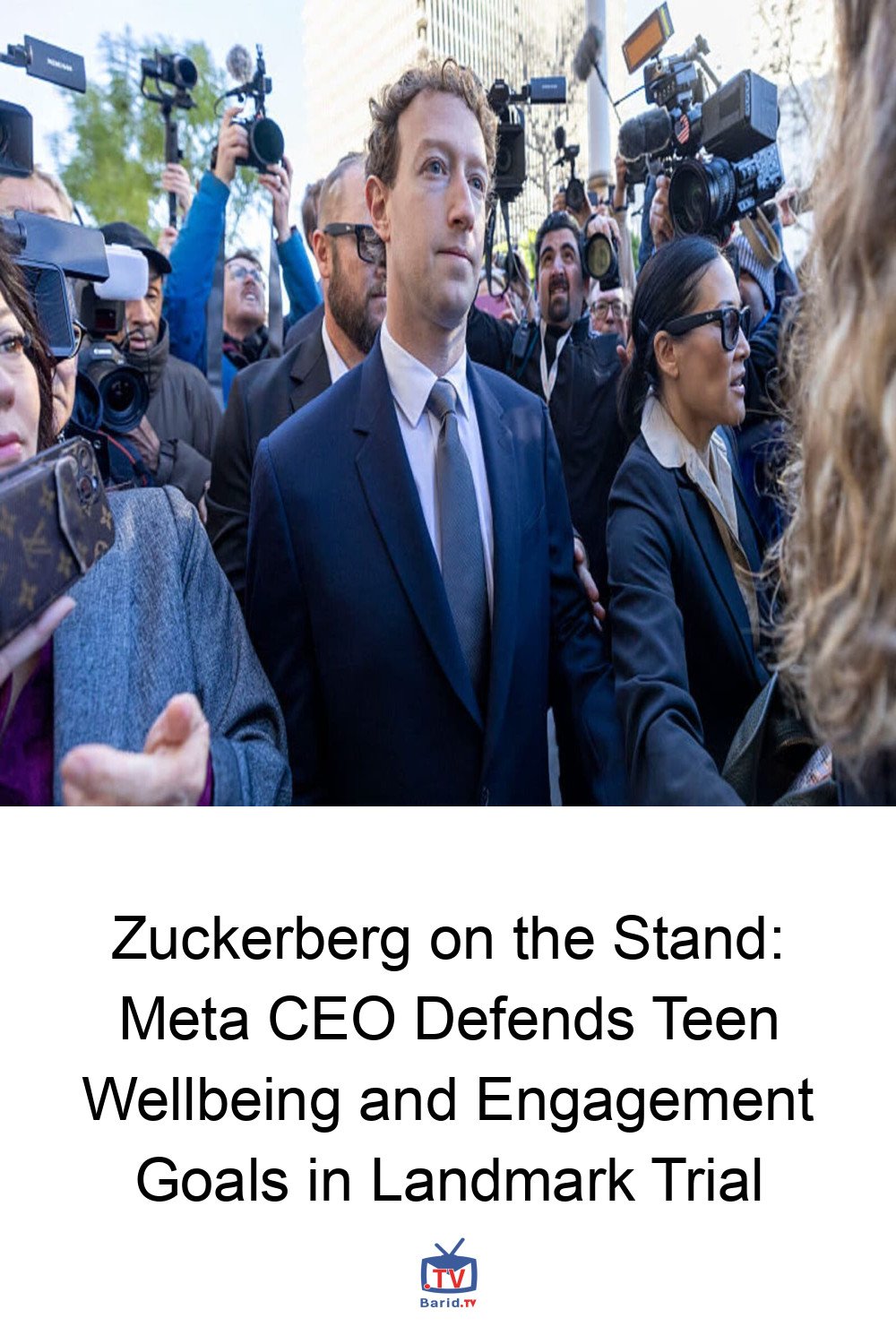
Meta CEO Mark Zuckerberg faced intense scrutiny this week as he testified in a landmark Los Angeles social media safety trial, a proceeding experts are likening to the “Big Tobacco” moment for the tech industry. The trial, which began in late January, centers on allegations of social media addiction and its harms, particularly among young users.
A Rival’s Reach: Zuckerberg’s Dialogue with Tim Cook
During his testimony, Zuckerberg revealed a surprising outreach to Apple CEO Tim Cook in February 2018, aimed at discussing the “wellbeing of teens and kids.” Defense attorney Paul Schmidt presented an email exchange between the tech titans, where Zuckerberg expressed belief in “opportunities that our company and Apple could be doing.” This disclosure served as a strategic move by the defense to portray Zuckerberg as proactive in addressing youth safety concerns, even engaging with a corporate competitor.
“I care about the wellbeing of teens and kids who are using our services,” Zuckerberg affirmed, characterizing the essence of his communication with Cook.
The Beauty Filter Battle: Free Expression vs. Harm
A significant portion of the trial delved into the contentious issue of digital beauty filters, particularly those promoting cosmetic surgery, and their alleged negative impact on young girls. Instagram chief Adam Mosseri had previously testified on this matter.
Zuckerberg acknowledged consulting various stakeholders regarding these filters but did not name them. When confronted by the plaintiff’s lawyer about lifting a temporary ban on these filters due to a “paternalistic” concern, Zuckerberg conceded, “It sounds like something I would say and something I feel. It feels a little overbearing.”
Despite expert guidance, including a University of Chicago study where 18 experts highlighted the harm beauty filters cause teenage girls, Zuckerberg defended the decision to allow them. He stated his belief in “free expression,” asserting, “I genuinely want to err on the side of giving people the ability to express themselves.”
This stance, however, was met with internal dissent. Margaret Stewart, Facebook’s VP of product design and responsible innovation, expressed her support for Zuckerberg’s ultimate decision but emailed that she didn’t believe it was the “right call given the risks.” Stewart, who cited personal family experience, acknowledged her bias but emphasized her “first-hand knowledge” of potential harms. Zuckerberg countered that while he understood differing perspectives, there wasn’t sufficient causal evidence to support the experts’ assertions of harm. When pressed on his expertise in causation by defense attorney Mark Lanier, Zuckerberg candidly replied, “I don’t have a college degree in anything,” adding, “I agree I do not know the legal understanding of causation, but I think I have a pretty good idea of how statistics work.”
Engagement Metrics: A Company Goal or Aspiration?
Another critical point of contention revolved around Meta’s internal goals concerning user engagement. Zuckerberg vehemently pushed back against the notion that increasing time spent on Instagram was a primary company objective. He addressed a 2015 email thread where he appeared to emphasize improving engagement metrics as an urgent matter, clarifying that such comments could be aspirations rather than concrete company goals.
However, this assertion was challenged by earlier testimony from Instagram chief Adam Mosseri, who presented evidence of explicit internal goals to boost daily user engagement time on the platform to 40 minutes in 2023 and 46 minutes in 2026. Zuckerberg explained that Meta uses such “milestones internally to measure against competitors and deliver the results we” aim for.
The Road Ahead
As the trial continues, the tech industry watches closely. The proceedings underscore the growing legal and public pressure on social media companies to balance user engagement with the critical responsibility of ensuring the safety and wellbeing of their youngest users.
For more details, visit our website.
Source: Link