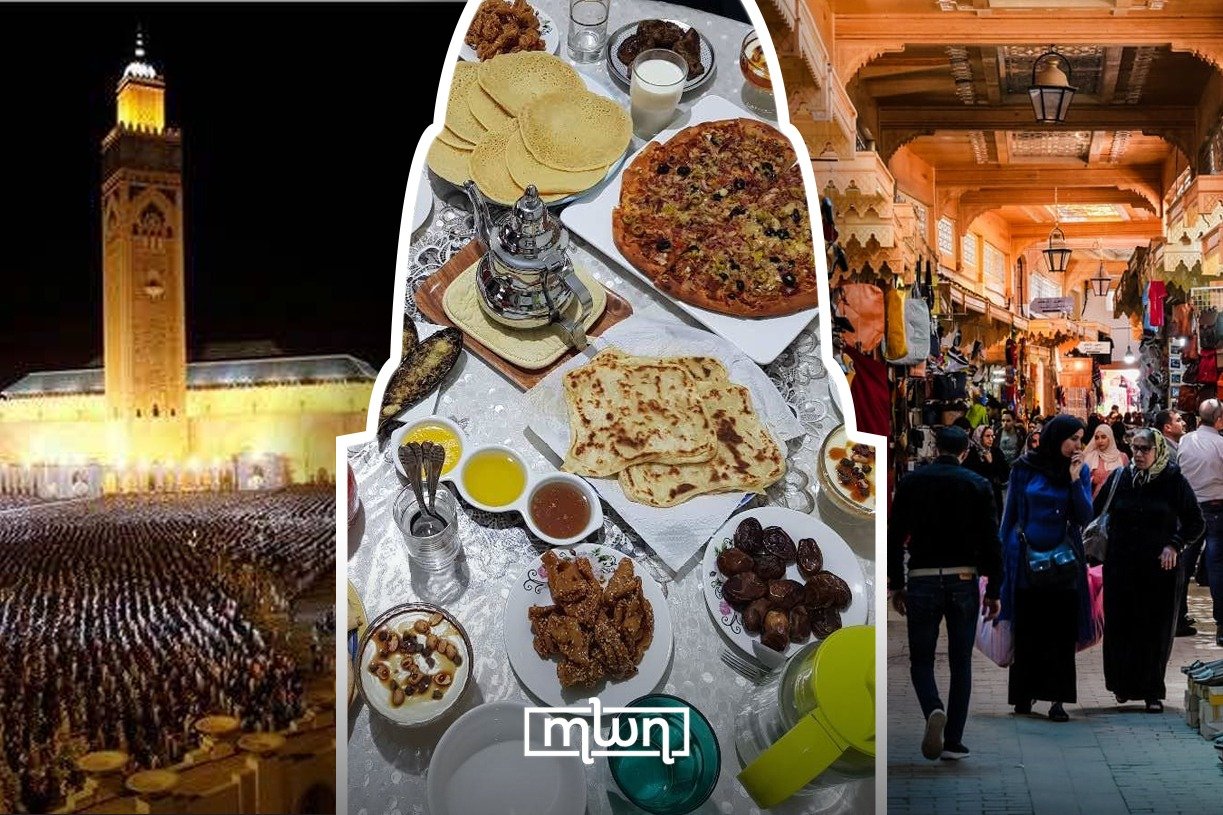

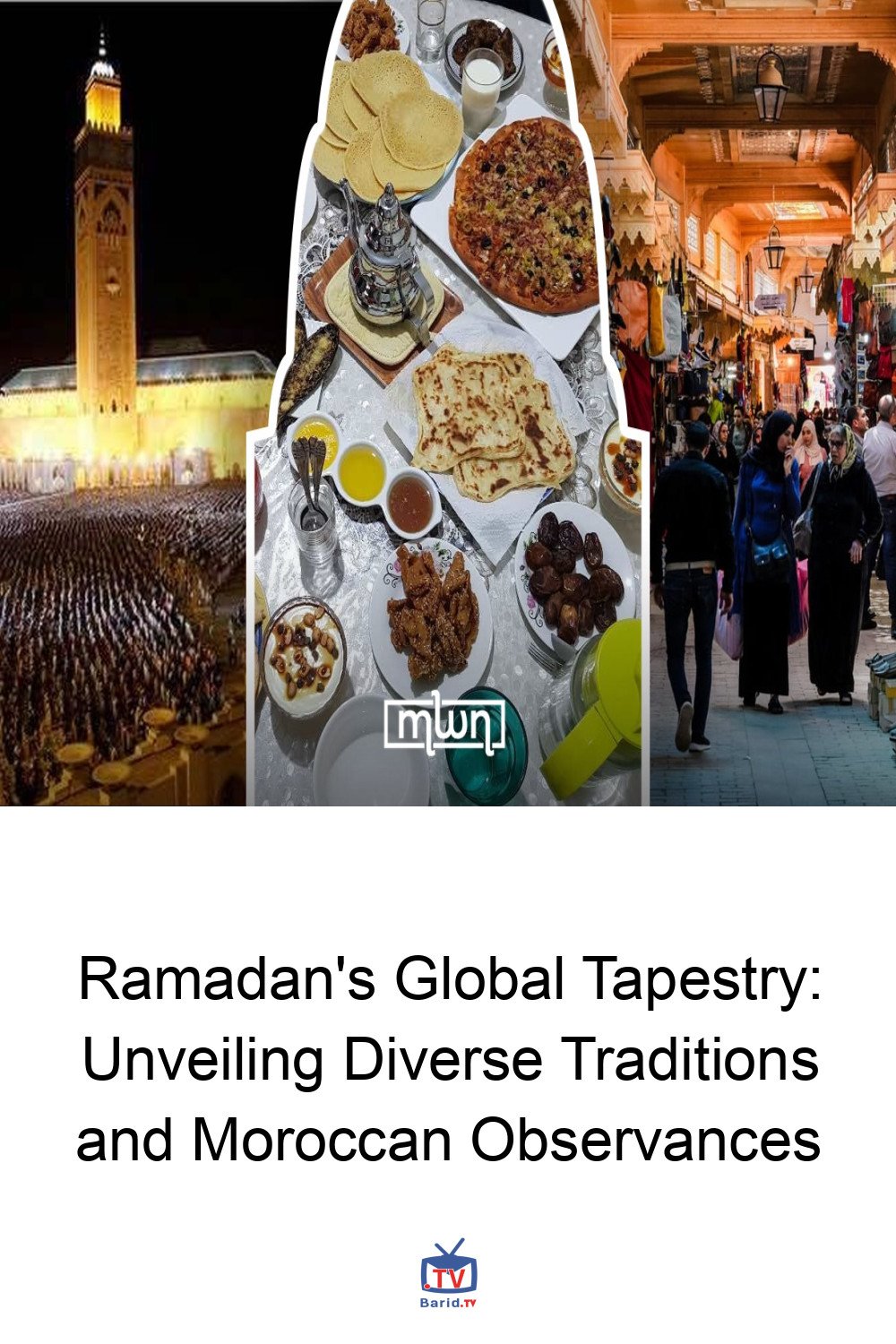
The Sacred Month: A World Transformed
For thirty days, from the first whisper of dawn to the final echoes of sunset, over a billion Muslims worldwide embark on a profound spiritual journey. Ramadan, the ninth month of the Islamic lunar calendar, orchestrates a dramatic shift in the rhythm of daily life, transforming streets into quieter avenues by day and vibrant hubs of activity by night. Kitchens fill with the comforting aromas of traditional meals, and mosques overflow with worshippers. This annual observance is a deeply personal commitment, yet it resonates as an unmistakably collective experience across continents and cultures.
The Essence of Ramadan: A Spiritual Recalibration
Ramadan’s roots trace back to the 7th century, a time when Muslims believe the initial verses of the Holy Quran were revealed to Prophet Muhammad. This pivotal moment of revelation anchors the month’s profound significance, as the Quran itself describes Ramadan as the month “in which was revealed the Qur’an,” serving as a guiding light for humanity. Fasting during Ramadan transcends mere physical abstinence; it is a ritual of remembrance, discipline, and spiritual recalibration.
As one of the five pillars of Islam, fasting is a core religious obligation for healthy adult Muslims. From the first light of dawn until sunset, observers abstain from food, drink, smoking, and marital intimacy. Beyond these physical restraints, believers are encouraged to cultivate virtues such as patience, kindness, and self-control, guarding their speech, temper, and conduct. The ultimate purpose, as articulated in Islamic teachings, is to foster taqwa – a heightened awareness of God and a profound sense of piety.
Due to its adherence to the lunar calendar, Ramadan shifts approximately 11 days earlier each year on the Gregorian calendar. This cyclical movement ensures that Muslims globally experience the fasting period under a diverse array of seasonal conditions throughout their lifetimes, from long, sun-drenched summer days to shorter, cooler winter fasts.
A World United: Diverse Ramadan Traditions
While the theological framework of Ramadan remains universally shared, its cultural expression takes on a kaleidoscope of local colors and customs, creating a rich tapestry of global traditions.
Echoes from Indonesia to Egypt
- In Indonesia, the world’s largest Muslim-majority nation, entire neighborhoods come alive for communal pre-dawn meals, known as suhoor
, fostering strong community bonds.
- Egypt is famed for its enchanting fawanees – intricately designed lanterns that adorn streets and homes, casting a warm, festive glow over evening gatherings.
- In Turkey, the ancient tradition of drummers walking through neighborhoods before dawn persists, waking residents for their suhoor meal with rhythmic beats.
- The Gulf states are known for their lavish Ramadan tents, hosting nightly gatherings where families and friends share elaborate iftar (fast-breaking) meals.
- Across South Asia, bustling bazaars swell with shoppers eager to purchase unique sweets and fried snacks that make their appearance exclusively during this holy month.
- In sub-Saharan Africa, mosques and community centers often organize mass iftar meals, reinforcing the profound social obligation to feed the less fortunate.
Universal Moments of Reflection
Despite these regional variations, certain moments during Ramadan are universally observed and deeply felt. The final minutes before sunset are often marked by a quiet intensity; conversations soften, and hands hover expectantly over glasses of water and plates of dates. Then, the melodious call to prayer rings out, signaling the end of the fast, often broken with a single date in accordance with prophetic tradition. A wave of relief and gratitude washes over observers as the day’s restraint gives way to communal joy.
Following the evening prayer, mosques fill with worshippers for Taraweeh, special night prayers where portions of the Quran are recited. Over the course of the month, many mosques complete a full recitation of the sacred text. The final ten nights hold particular sanctity, especially Laylat al-Qadr, the Night of Power, believed to be the night of the Quran’s initial revelation. During this period, worship intensifies as believers seek forgiveness, blessings, and profound spiritual renewal.
Morocco’s Distinctive Ramadan Rhythm
In Morocco, Ramadan carries a distinctive national imprint, shaped by a rich tapestry of history, law, and cherished tradition.
The Crescent Moon’s Call
The commencement of Ramadan in Morocco is determined by the sighting of the new moon. Religious authorities meticulously deploy trained observers across the country to confirm the crescent with the naked eye. On the 29th evening of the preceding month, families gather around televisions and radios, eagerly awaiting the official announcement. The moment the communiqué is read, a collective awareness settles over the nation: Ramadan has begun.
Daily Life Transformed
The change in Morocco is immediate and palpable. Work schedules shift, with schools and offices adopting shorter hours. Cafés, typically bustling, close their doors during the day. The public sphere grows notably subdued, particularly in the afternoon when hunger and fatigue often peak. A colloquial term, “tramdina
,” humorously but accurately describes the irritability that can accompany fasting, especially in the final hours before sunset, reflecting the physical strain of abstaining from food, drink, and caffeine. As dusk approaches, however, cities like Casablanca begin to stir, with traffic swelling as people head home to prepare for the evening’s festivities and the breaking of the fast.
For more details, visit our website.
Source: Link