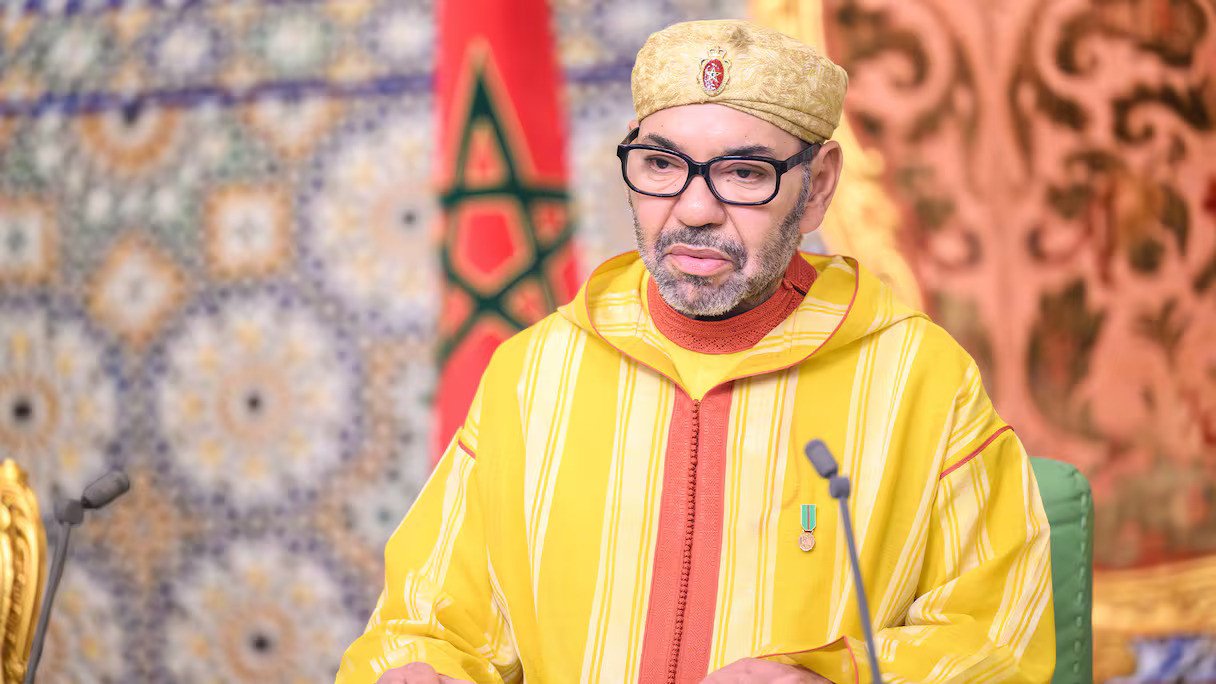

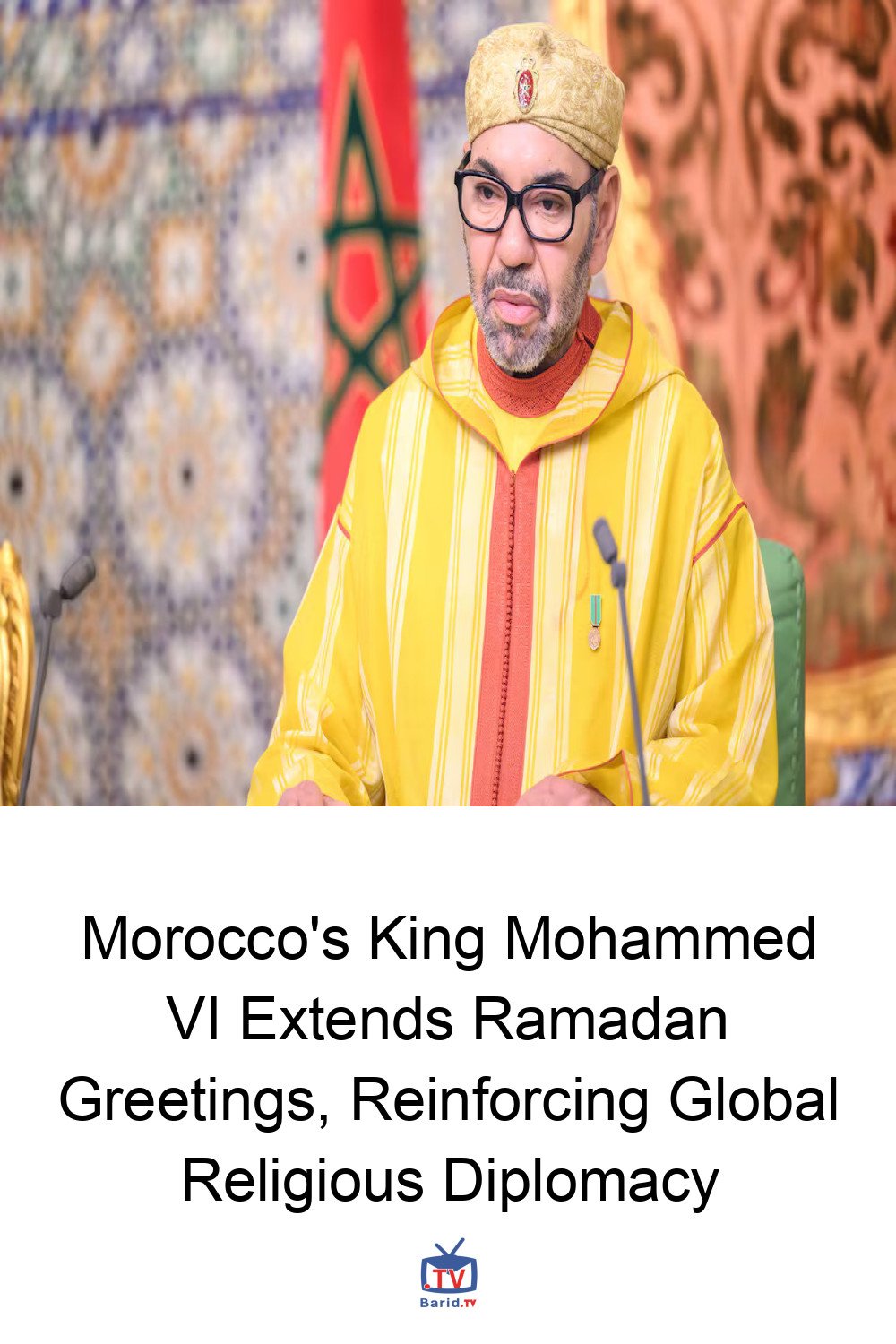
As the holy month of Ramadan 1447H dawns, King Mohammed VI of Morocco has once again upheld a cherished royal tradition, extending heartfelt congratulatory messages to heads of state across the Islamic world. This annual gesture of goodwill underscores not only Morocco’s deep spiritual heritage but also the monarch’s unique constitutional title as the Commander of the Faithful (Amir Al Mouminine) – a distinction unparalleled among contemporary Muslim leaders.
A Distinct Ramadan Observance
Morocco’s entry into Ramadan 2026 was marked by a distinct observance, with the Ministry of Islamic Affairs confirming Thursday, February 19, as the first day. This decision followed meticulous moon-sighting by specialized committees, which verified the crescent’s visibility on Wednesday evening. This contrasted with declarations from Saudi Arabia, the UAE, and Qatar, which had designated Wednesday as the start of the holy month. The Moroccan approach, rooted in traditional astronomical observation and local sighting, highlighted a nuanced difference in religious interpretation within the broader Muslim world.
Morocco’s Far-Reaching Religious Diplomacy
Beyond the traditional greetings, Morocco is actively projecting its religious influence globally. This year, a significant delegation of 320 religious scholars has been dispatched to accompany Moroccan diaspora communities throughout Europe and North America. This annual mission, initiated in 1992, serves as a vital link, fostering spiritual guidance and cultural continuity for Moroccans living abroad.
Cultivating Soft Power Through Scholarship
Organized by the Hassan II Foundation for Moroccans Living Abroad, the diverse delegation includes 39 university professors, 50 doctoral-degree preachers, 60 with master’s degrees, 75 with bachelor’s degrees, 66 leading Taraweeh sermons, and 30 imams dedicated to evening prayers. France received the largest contingent with 82 scholars, followed by Germany and Spain (51 each), Belgium (42), the Netherlands (35), Italy (26), Canada (14), and the United States (6).
This extensive outreach promotes Morocco’s religious constants – a moderate, tolerant interpretation of Islam – while delivering powerful messages of peace, solidarity, and coexistence. It is a sophisticated exercise in soft power, often underappreciated in its global scope. While Morocco’s religious diplomacy is frequently viewed through its extensive African projection, characterized by imam training, Sufi networks, and the Maliki-Ash’ari model, its engagement with Europe holds equally profound historical and strategic significance.
Europe: A Historical Theater for Moroccan Influence
Europe, particularly France, has been a central theater for Moroccan religious influence since 1926, when Sultan Moulay Youssef inaugurated the Great Mosque of Paris. This act was not merely symbolic charity but a strategic piece of statecraft, navigating colonial memory, Franco-Moroccan ties, and Morocco’s aspiration to be a legitimate religious reference for Islam in Europe. Under King Mohammed VI, this strategic imperative has only deepened.
Morocco’s approach stands apart from overt state-Islam exports seen in some nations or the funding networks of Gulf states. Instead, it is relational and historical, leveraging strong diaspora connections and institutional continuity. Rabat positions itself as an indispensable interlocutor between European states and their Muslim citizens, actively working to counter Salafi radicalism and alleviate European concerns about political Islam.
Investing in Faith: Mosque Development
Domestically, the monarch’s commitment to religious infrastructure is evident. Ahead of Ramadan, King Mohammed VI ordered the opening of 157 mosques across Morocco, encompassing 95 newly built structures, 42 reconstructed sites, 11 restored locations, and eight historic mosques rebuilt after deterioration. These projects collectively accommodate up to 160,000 worshippers and represent a substantial investment of MAD 647.3 million ($64.7 million), funded through public finances and private donations.
Further extending this commitment, the sovereign approved the opening of the Mohammed VI Mosque and its annexes in N’Djamena, Chad, reinforcing Morocco’s religious cooperation on the African continent. In Agadir, the Grand Mosque of Hay Salam, capable of hosting 3,600 worshippers and costing MAD 62.5 million ($6.25 million), was also granted the monarch’s name.
The Enduring Significance of ‘Amir Al Mouminine’
These multifaceted actions are deeply rooted in the King’s constitutional role as Commander of the Faithful, a title enshrined in all Moroccan constitutions since 1962 and explicitly defined in Article 41 of the 2011 constitution. As “Amir Al Mouminine,” Mohammed VI presides over the Supreme Council of Oulema, the sole institution authorized to issue religious edicts in Morocco.
Crucially, the King is also a direct descendant of the Prophet’s lineage – a condition that Sunni jurisprudents like Al-Mawardi, Al-Ghazali, and Ibn Khaldoun historically deemed central to legitimate Islamic leadership. This title carries immense historical weight, a unique claim that no other Muslim head of state currently holds. Classical Islamic scholars debated for centuries the stringent conditions for legitimate Islamic leadership, including Qurashi lineage, profound religious knowledge, and impeccable moral standing. Morocco’s Alaoui dynasty demonstrably meets these conditions, distinguishing the kingdom from historical entities like the Ottoman sultans, who, despite their claims to the great caliphate, lacked this specific prophetic lineage.
For more details, visit our website.
Source: Link