

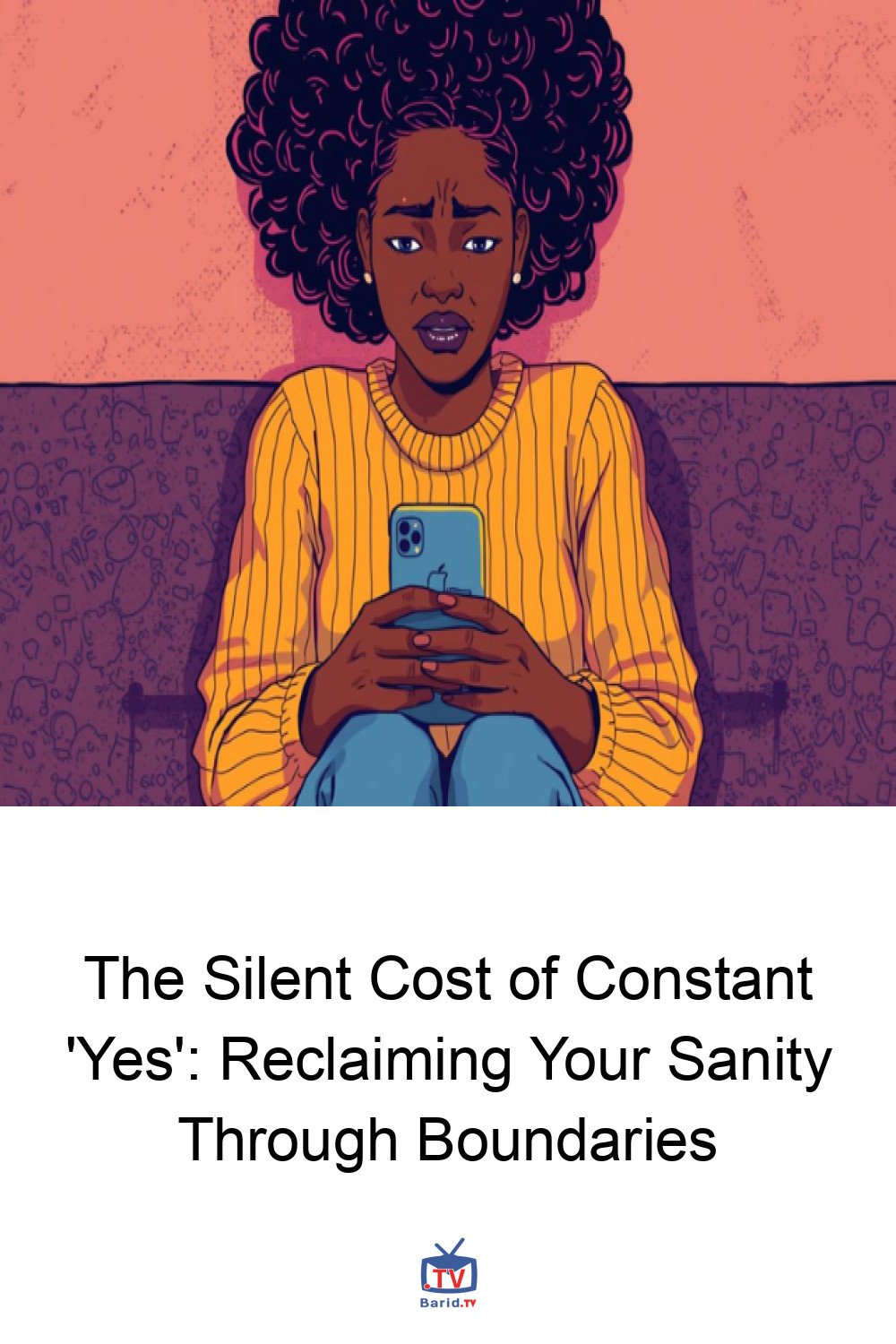
In a world that constantly demands our attention and energy, the simple act of saying “no” can feel like an insurmountable challenge. For many, the desire to be helpful, kind, and valuable often morphs into a relentless cycle of overcommitment, leading to exhaustion, resentment, and a profound loss of self. This is the story of one individual’s journey from chronic people-pleasing to the liberating embrace of personal boundaries.
The Breaking Point: When Helpfulness Becomes Harmful
It was a seemingly ordinary Tuesday afternoon when a two-letter word — “No” — became a lifeline. For twenty-eight years, the author had been the go-to person, the one who always said “yes.” Whether it was covering a shift, offering a 5 AM airport ride, or providing hours of emotional support, her default response was always accommodation. This ingrained habit, she believed, made her a good, kind, and valuable person. Yet, beneath the veneer of helpfulness lay a gnawing terror: the fear of being unwanted, of closing doors on relationships if she ceased to be “useful.”
The insidious build-up of resentment was slow but steady. Smiles masked internal turmoil as she agreed to commitments that chipped away at her health and well-being. “It’s fine,” became her mantra, even when everything felt far from it. Her own needs—rest, therapy, peace—were consistently relegated to the background, gathering dust while others’ “wants” took precedence.
The stark reality hit hard during a quiet moment in a grocery store parking lot. After canceling yet another therapy appointment to assist someone else, a quick glance at her calendar revealed a shocking truth: forty-seven times in six months, her personal needs had been sacrificed for others’ desires. It was a sobering realization: she wasn’t just helping; she was drowning, an anchor of her own making tied firmly around her neck.
The Unshakeable Decision: Prioritizing Self
That pivotal day marked a turning point. A solemn promise was made: no longer would her essential needs be negotiable in the face of others’ wants. This commitment was etched into her journal, spoken aloud, and shared with a trusted friend, solidifying its weight. The boundary was clear and unwavering: therapy, rest, health, and peace were paramount. Help would be offered from a place of capacity, not at the expense of her own vitality. And crucially, apologies for having limits would cease.
The theory felt empowering, a blueprint for a healthier existence. The practice, however, was daunting.
The First Test: Embracing the Tremble
The very next day brought the first challenge. Her cousin’s familiar request to watch the kids on her only day off sent a jolt of anxiety through her. Every instinct screamed to revert to old habits, to say “yes” for the sake of ease and to avoid conflict. But the memory of those forty-seven canceled appointments, the profound exhaustion, and the fresh promise to herself held firm.
“I can’t do that,” she managed, her voice trembling. “Saturday is my rest day.”
The ensuing silence, followed by the subtle guilt trip (“I thought you weren’t doing anything”), was precisely the reaction she had dreaded. The old self would have caved, rearranged plans, and swallowed the resentment. But the new self, fortified by a newfound resolve, took a deep breath. “Rest is important to me. I hope you find someone who can help.”
The call ended, leaving a complex mix of emotions: lingering guilt, a sense of being selfish, yet undeniably, a profound lightness. The initial discomfort was a small price for the burgeoning freedom.
Navigating the Pushback: The Price of Transformation
Enforcing these new boundaries consistently over the following weeks proved to be a crucible. Each “no” was accompanied by the familiar pang of terror—the fear of damaging relationships, of being perceived as selfish, of having “changed.”
While some relationships offered genuine support, like her best friend’s affirmation, “It’s about time. You deserve to rest,” others reacted with resistance. Accusations of “not caring about family anymore” or nostalgic remarks about how she “used to be so helpful” (a thinly veiled complaint about unmet demands) became common. The phrase, “You’ve changed,” often delivered as an insult, was met with a quiet internal acknowledgment: they were right. She had changed. She had stopped setting herself on fire to keep other people warm.
The most challenging aspect wasn’t the external pushback itself, but the internal struggle to silence the ingrained voices of guilt and fear. Yet, with each boundary upheld, the internal landscape shifted, paving the way for a more authentic, balanced, and truly helpful self.
For more details, visit our website.
Source: Link