
Morocco Unveils Landmark Exchange Reforms: Boosting Investment, Innovation, and Global Engagement
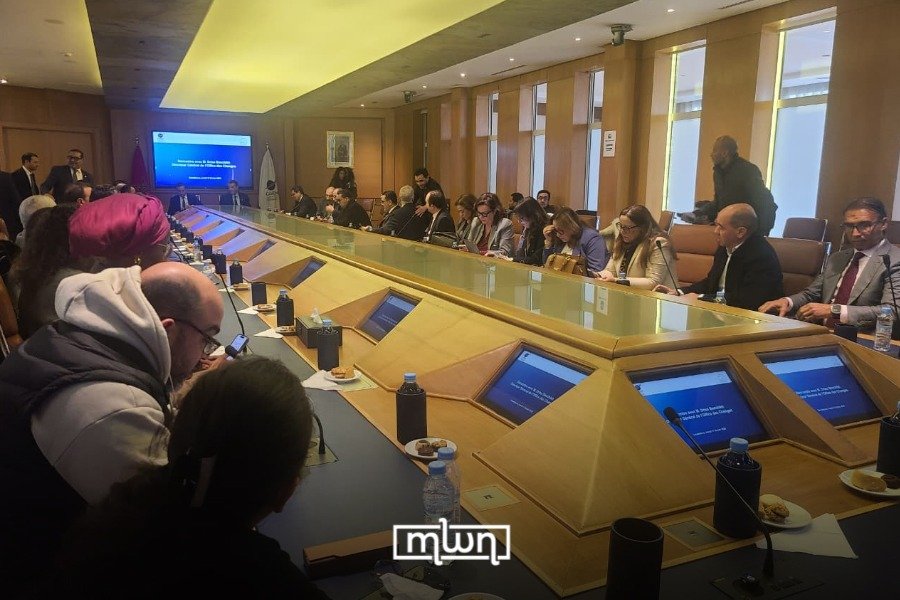
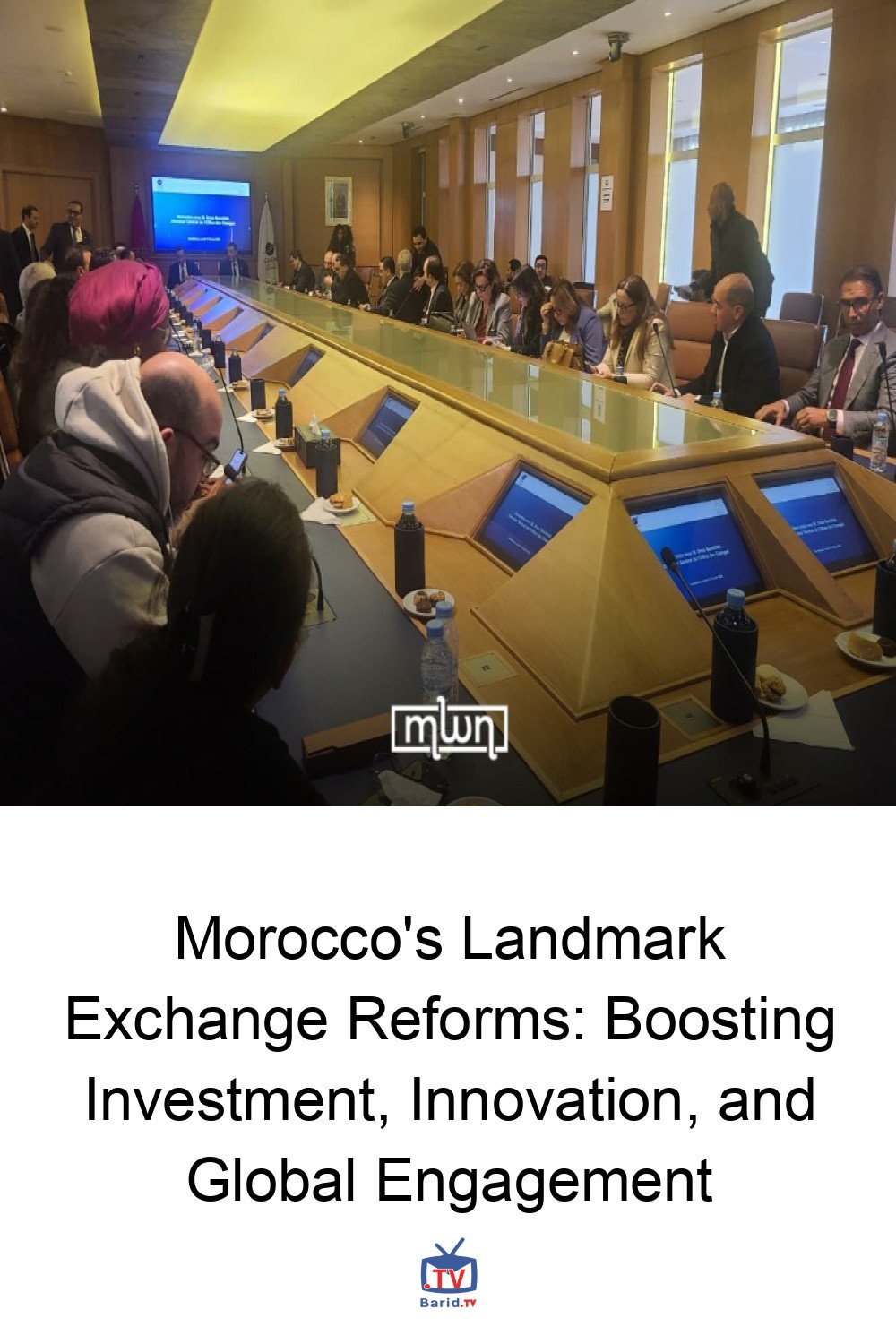
Casablanca recently hosted a pivotal gathering where the General Confederation of Moroccan Enterprises (CGEM) welcomed Driss Benchikh, Director General of the Office des Changes. The high-profile session was dedicated to unveiling the new Instruction Générale des Opérations de Change (IGOC 2026), a comprehensive framework poised to redefine international payments, investment flows, and cross-border financial transactions in Morocco.
A New Era for Morocco’s Global Economy
The introduction of IGOC 2026 arrives at an opportune moment for the Moroccan economy. Benchikh highlighted a robust macroeconomic environment, with exports soaring to MAD 469 billion in 2025, propelled by dynamic sectors such as automotive, aeronautics, food industries, and manufacturing. Tourism also played a significant role, with travel receipts reaching an impressive MAD 140 billion, marking a substantial 20% increase over the previous year. This positive trajectory provides a strong foundation for the ambitious reforms embedded within IGOC 2026, which officially came into force on January 1, 2026, as a cornerstone of the Office des Changes’ 2025-2029 strategic vision for enhanced regulatory clarity.
Collaborative Reform for a Clearer Landscape
The development of IGOC 2026 was not an isolated effort but a testament to effective public-private partnership. Reda Lahmini, President of the Commission Procédures administratives et judiciaires at the CGEM, emphasized the collaborative spirit, stating, “Today, we had a meeting with the Director General of the Office des Changes to present the new structure of the Exchange Office for 2026. It was the result of a partnership between the CGEM and the Exchange Office.” This joint effort ensured that the reforms address real-world challenges faced by businesses and individuals, leading to amendments concerning various exchange operations, including donations for both physical and moral persons.
Benchikh further elaborated on the multi-faceted strategy underpinning the reform, built upon several key pillars: regulatory simplification, digitalization, robust governance, meticulous statistical monitoring, and significantly improved relations with users. The overarching objective, he stressed, is to cultivate a regulatory framework that is not only clearer and more readable but also more accessible to all stakeholders.
Empowering Moroccan Businesses and Innovators
IGOC 2026 introduces groundbreaking measures designed to foster innovation and bolster Morocco’s entrepreneurial ecosystem. Notably, technology start-ups officially labeled by the Agence de Développement du Digital (ADD) are now granted unprecedented freedom to invest abroad, with an annual ceiling of up to MAD 10 million. This marks a significant departure from previous regulations, which often imposed a three-year waiting period for young entrepreneurs seeking international ventures. Under the new instruction, eligible start-ups can now pursue global investment opportunities as soon as their application is validated, a move Benchikh hailed as a crucial step towards supporting digital businesses and driving innovation.
Facilitating Global Trade and Operations
Beyond start-ups, the new instruction streamlines operations for established businesses engaged in international activities. The ceiling for business travel has been substantially increased to MAD 1 million for general operators and MAD 1.5 million for categorized operators. Furthermore, IGOC 2026 incorporates measures specifically aimed at promoting exports and simplifying the import of services, underscoring a strategic commitment to enhancing the international competitiveness and reach of Moroccan companies.
Enhanced Flexibility for Individuals and Foreign Residents
The reforms extend their benefits to individuals, offering greater flexibility for personal and educational pursuits abroad. The global annual allowance for personal travel has been set at MAD 500,000, which includes a base allowance of MAD 100,000. For students, the monthly ceiling for study expenses abroad has been raised from MAD 12,000 to MAD 15,000, alleviating financial burdens for those pursuing international education.
In a move to strengthen Morocco’s appeal as an investment destination and foster a more equitable environment, the new instruction also introduces significant changes for foreign investors and residents. Resident foreign investors are now authorized to transfer capital even in situations where previous restrictions applied, promoting fairness and boosting investor confidence. Additionally, foreign residents in Morocco will now enjoy the same personal travel and medical transfer regimes as Moroccan citizens, a clear signal of Morocco’s progressive approach towards further liberalization and integration.
A Path Towards Greater Liberalization
Benchikh affirmed that these measures collectively represent a gradual and progressive stride towards greater liberalization of Morocco’s exchange regime. The ongoing dialogue between the CGEM and the Office des Changes ensures that the private sector remains an active participant in shaping and navigating this evolving regulatory landscape. As Lahmini concluded, “It was a meeting of exchange and presentation. We identified a number of improvements on which we will work together with the Office des Changes.” This collaborative spirit is vital for maximizing the positive impact of IGOC 2026 on national economic activity and solidifying Morocco’s position on the global stage.
For more details, visit our website.
Source: Link