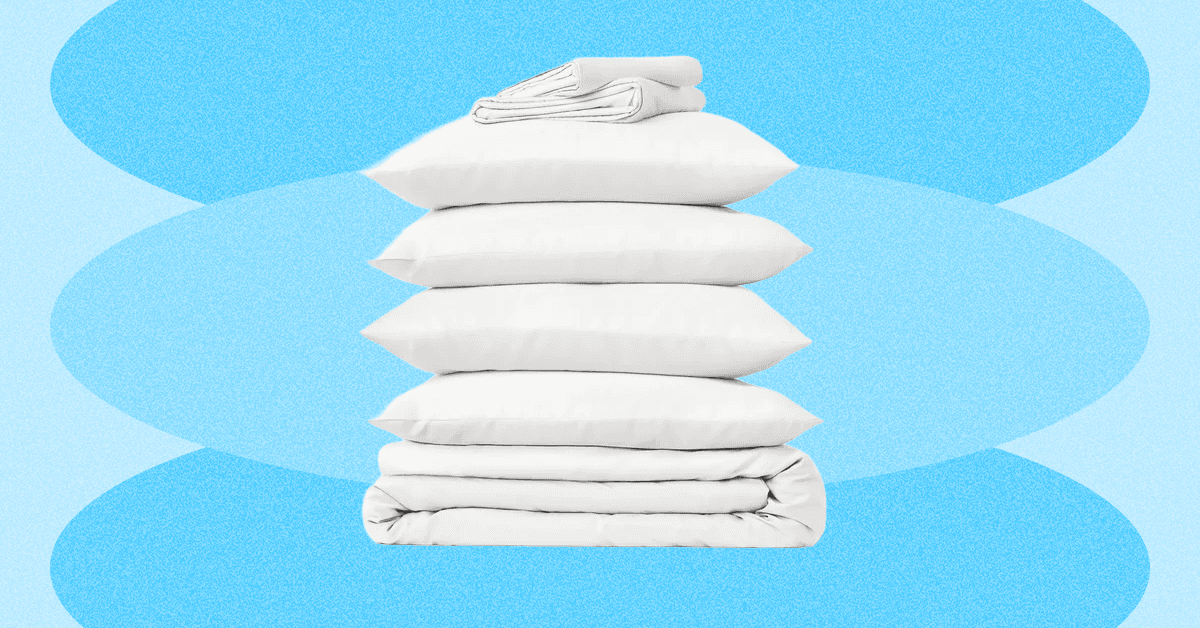

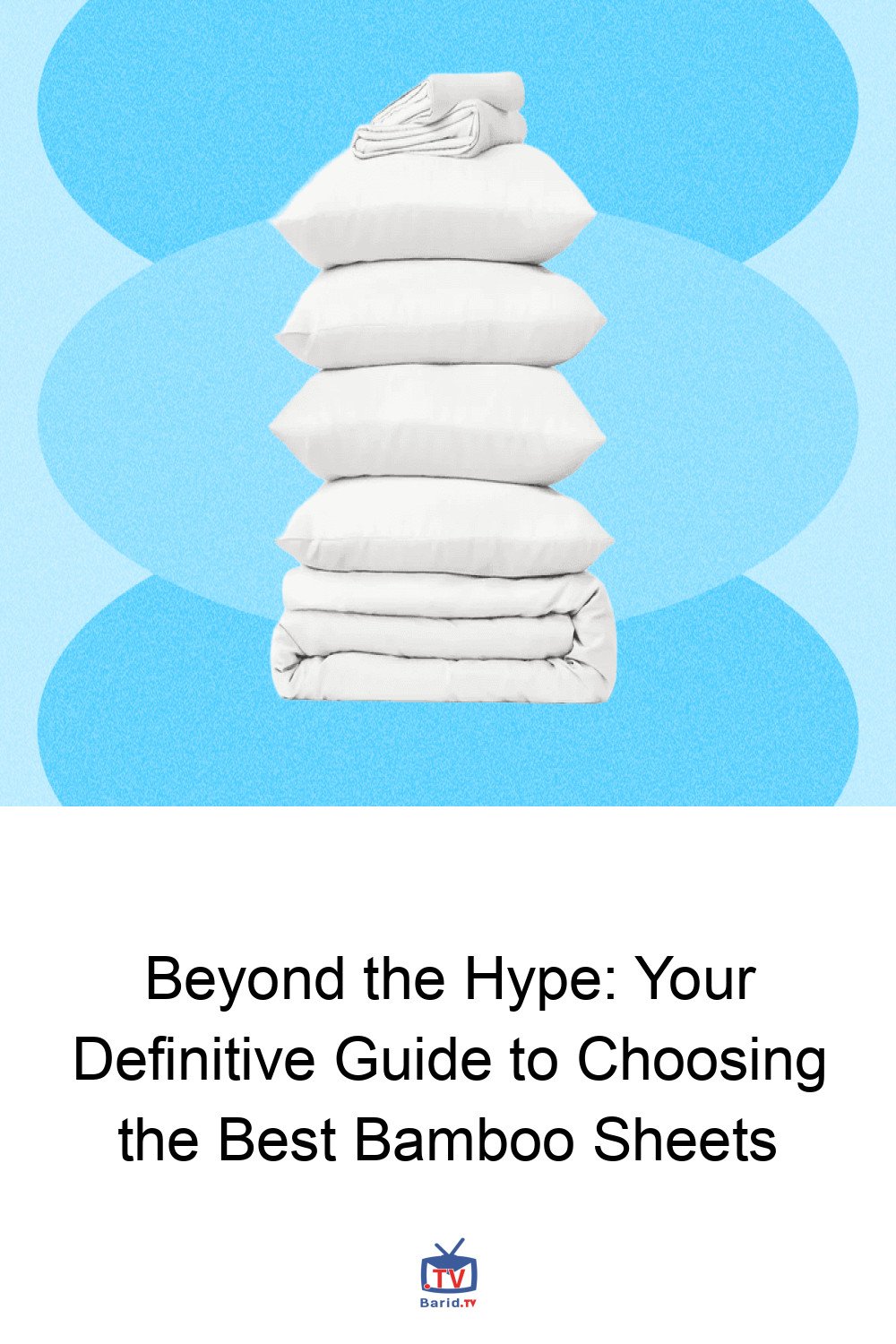
As someone who literally sleeps on the job, I can confidently say that bamboo sheets have emerged as a standout recommendation for virtually every type of sleeper. Their unparalleled softness, cool-to-the-touch feel, and inherent comfort make them a fabric I consistently champion.
If you’ve ever pondered the journey from a towering bamboo stalk to a luxurious bedsheet, questioned the true cooling prowess of bamboo, or simply sought guidance on which sets genuinely deliver, this comprehensive guide is crafted for you. After rigorously testing over 20 different sets of bamboo and bamboo-adjacent bedding for more than a year and a half, a select few have truly distinguished themselves from the competition.
Understanding Bamboo Bedding: From Plant to Fabric
Unlike natural fibers such as cotton or linen, bamboo doesn’t naturally yield a textile fiber. Instead, it undergoes an intricate chemical transformation to break down its cellulose and reconstitute it into a pliable fiber suitable for bedding. The specific process employed dictates the final type of bamboo bedding, a detail often revealed by the material listed (e.g., bamboo rayon or bamboo viscose).
Decoding Bamboo Fiber Types: Rayon, Viscose, and Lyocell
When shopping for bamboo sheets, you’ll encounter various terms describing the fibers. Each name provides insight into the chemical processes and environmental impact involved:
- Bamboo Rayon & Viscose: While often used interchangeably, these terms aren’t identical. Rayon is a broad term for fabrics made from regenerated cellulose. Bamboo rayon typically implies a semi-synthetic composition that might not be 100% bamboo. Bamboo viscose, also derived from bamboo cellulose, follows a slightly different process. Most sheets I’ve tested proudly claim to be 100% bamboo viscose.
- Bamboo Lyocell: This is generally considered the superior option. Lyocell production utilizes a “closed-loop” process, meaning nearly all the chemicals used are recovered and reused, significantly minimizing environmental waste. This sustainable method yields a high-quality fabric renowned for its excellent cooling properties, making it a prime choice for those prioritizing a cool night’s sleep.
The Truth About Cooling: Do Bamboo Sheets Keep You Cool?
While bamboo sheets undeniably offer an initial cool sensation upon climbing into bed, my extensive testing reveals that they can warm up considerably throughout the night. Many manufacturers tout bamboo fibers’ temperature-regulating and moisture-wicking capabilities. However, as a hot sleeper, I’ve found this claim isn’t universally true across all bamboo sets. Some weaves can be too dense, impeding the crucial airflow needed to maintain coolness, regardless of promised moisture-wicking.
A few specific bamboo sets do excel at keeping me cooler than others, but for those whose primary concern is staying cool, I highly recommend exploring our dedicated guide to the Best Cooling Sheets. This resource delves into a broader spectrum of cooling options, from crisp cotton percale to innovative fabrics infused with phase-change material (PCM).
Eucalyptus: Bamboo’s Eco-Conscious Cousin
Eucalyptus bedding shares a similar origin story with bamboo: both are wood-based fibers processed chemically. A key distinction is that eucalyptus is almost exclusively produced via the closed-loop lyocell process, unlike bamboo, which also sees rayon and viscose variants. If ensuring a lyocell-based production is paramount to you, eucalyptus bedding offers a guaranteed path.
Given their shared plant-fiber origin and similar processing, both bamboo and eucalyptus sheets offer comparable benefits. They both boast a silky-smooth feel and often promise cooling properties. However, as with bamboo, the actual cooling performance of eucalyptus can vary, and it’s essential to consider the specific product and its weave.
Navigating Your Purchase: Top Bamboo Sheet Recommendations
Based on rigorous testing and firsthand experience, here are the bamboo sheet sets that truly stand out:
Overall Excellence: Bearaby’s Second Skin Sheets ($247)
My current top pick, Bearaby’s Second Skin Sheets, masterfully blend a silky-soft touch with a comforting coziness. Beyond their luxurious feel, they also offer impressive antibacterial benefits, making them a holistic choice for a clean and comfortable sleep environment.
Ultimate Cooling & Ethics: Ettitude’s Signature Bamboo Sheet Set ($355)
For those prioritizing superior cooling, Ettitude’s Signature Bamboo Sheet Set is unmatched. Beyond its exceptional ability to keep sleepers cool, this set comes with an impressive array of ethical and eco-conscious certifications, ensuring your comfort doesn’t come at the planet’s expense.
Value & Certifications: Aeptom’s Bamboo Sateen Sheet Set ($152)
If you’re seeking an Oeko-Tex certified bamboo option with ethical sourcing at a more accessible price point, Aeptom’s Bamboo Sateen Sheet Set is an excellent contender. It proves that quality, sustainability, and affordability can indeed go hand-in-hand.
Beyond Bamboo: Exploring Other Sleep Essentials
While bamboo sheets are a fantastic choice, optimizing your sleep environment often involves more. Explore our other expert guides to enhance your rest:
- Best Mattresses
- Best Mattresses for Back Pain
- Best Sheets (General)
- Best Cooling Sheets (Comprehensive)
- Best Bed Frames
- Best Down Comforters
Additionally, find valuable advice on how to clean everything on your bed, arranging your bedroom for better sleep, and demystifying the question of whether thread count truly matters.
Frequently Asked Questions
Can Bamboo Sheets Be Organic?
Given the chemical processing required to transform bamboo into fiber, “organic bamboo sheets” can be a complex claim. While the bamboo plant itself might be grown organically, the subsequent processing steps (rayon, viscose, or lyocell) involve chemicals. Look for certifications like Oeko-Tex Standard 100, which ensures the final product is free from harmful substances, rather than solely focusing on “organic” claims for the fiber itself.
Does Thread Count Matter with Bamboo Bedding?
For bamboo sheets, thread count is less critical than it is for cotton. The quality of bamboo fabric is more influenced by the type of weave (e.g., sateen or twill) and the specific processing method (rayon, viscose, or lyocell). A higher thread count doesn’t necessarily equate to better quality or durability in bamboo sheets; focus instead on the fiber type and reputable brands.
For more details, visit our website.
Source: Link