
Europe Unlocks Longer Stays: A New Era for Schengen Mobility
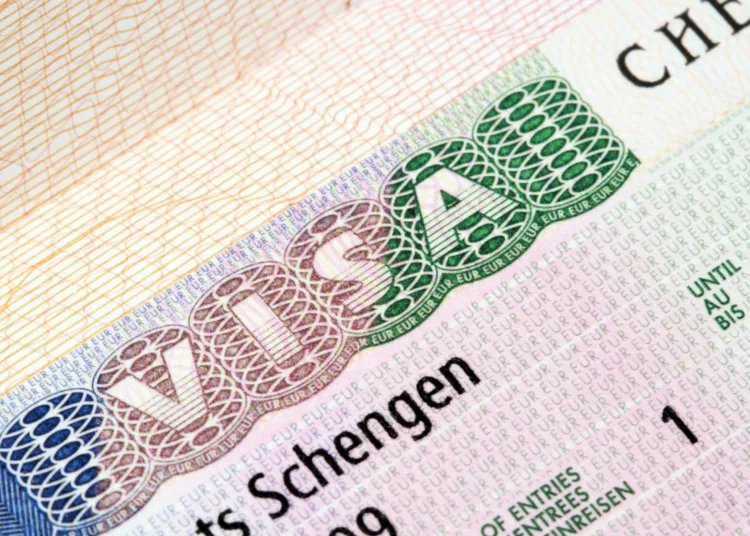
The European Union is poised to redefine short-stay mobility within its coveted Schengen Area, unveiling a groundbreaking visa policy strategy that promises extended multiple-entry visas for its most trusted and frequent visitors. This forward-thinking initiative, announced by the European Commission, aims to modernize and harmonize visa rules, balancing seamless travel facilitation with robust security measures.
Beyond the Five-Year Horizon: Rewarding Bona Fide Travelers
Currently, multiple-entry Schengen visas are typically capped at a five-year validity. However, under the new proposal, a select group of applicants deemed “bona fide” – those with an impeccable record of lawful travel, low migration risk, and secure profiles – could be granted visas valid for periods exceeding this limit. This isn’t an automatic right, but a strategic move to reward compliance and streamline processes for reliable individuals.
The extension of visa validity is set to significantly reduce the administrative burden on both travelers and consular services, eliminating the need for frequent re-applications. This reform is also a strategic play to bolster Europe’s global competitiveness. With destinations like the US, UK, and Canada already offering long-term visa options, the EU recognizes the imperative to simplify access for dependable travelers to maintain its standing in tourism, investment, and business mobility.
Digital Transformation and Enhanced Security Protocols
At the heart of this new strategy lies a comprehensive digitalization of visa procedures. Physical visa stickers are slated to be replaced by secure digital visas, marking a significant leap into the future of border management. This digital shift will be supported by interoperable databases and updated border systems, designed to enhance screening capabilities against irregular migration, organized crime, and evolving security threats.
Navigating the Path to Implementation
While the vision is clear, the practical implementation of these longer-term visas will hinge on various technical factors, including the storage duration of biometric data within EU border systems. The reform necessitates a revision of the existing EU Visa Code and robust coordination among member states before the new rules can fully take effect. Some elements of this ambitious overhaul are anticipated to roll out from 2026, while others are integrated into broader, multi-year legislative and technological projects.
Balancing Openness with Strategic Control
This comprehensive strategy embodies a dual approach: while it offers unprecedented facilitation for regular, low-risk travelers, it also introduces stricter measures for other categories. Visa policy remains a crucial instrument for migration management and foreign policy. Future visa facilitation will be intrinsically linked to partner countries’ cooperation on critical issues such as the readmission of nationals in irregular situations and adherence to broader security benchmarks.
Further initiatives announced by the Commission include a new framework for assessing visa-free regimes for third countries and the piloting of “Legal Gateway Offices.” These offices are designed to support employers and skilled non-EU nationals through complex immigration procedures. Coupled with recommendations for attracting talent and a broader asylum and migration management strategy, this visa overhaul underscores a significant shift towards greater EU-level coordination, digital processing, and rigorous compliance monitoring.
If adopted, this reform promises to fundamentally reshape short-stay mobility in Europe, transforming the Schengen visa into a more enduring mobility tool for selected travelers, all while upholding stringent oversight mechanisms across the wider migration landscape.
For more details, visit our website.
Source: Link