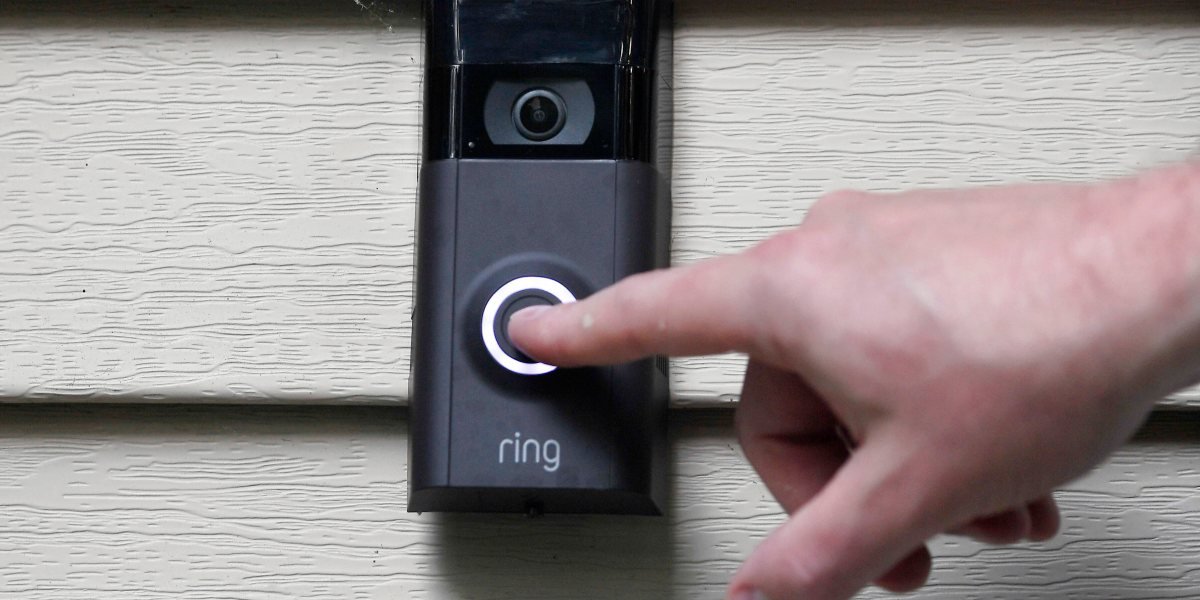

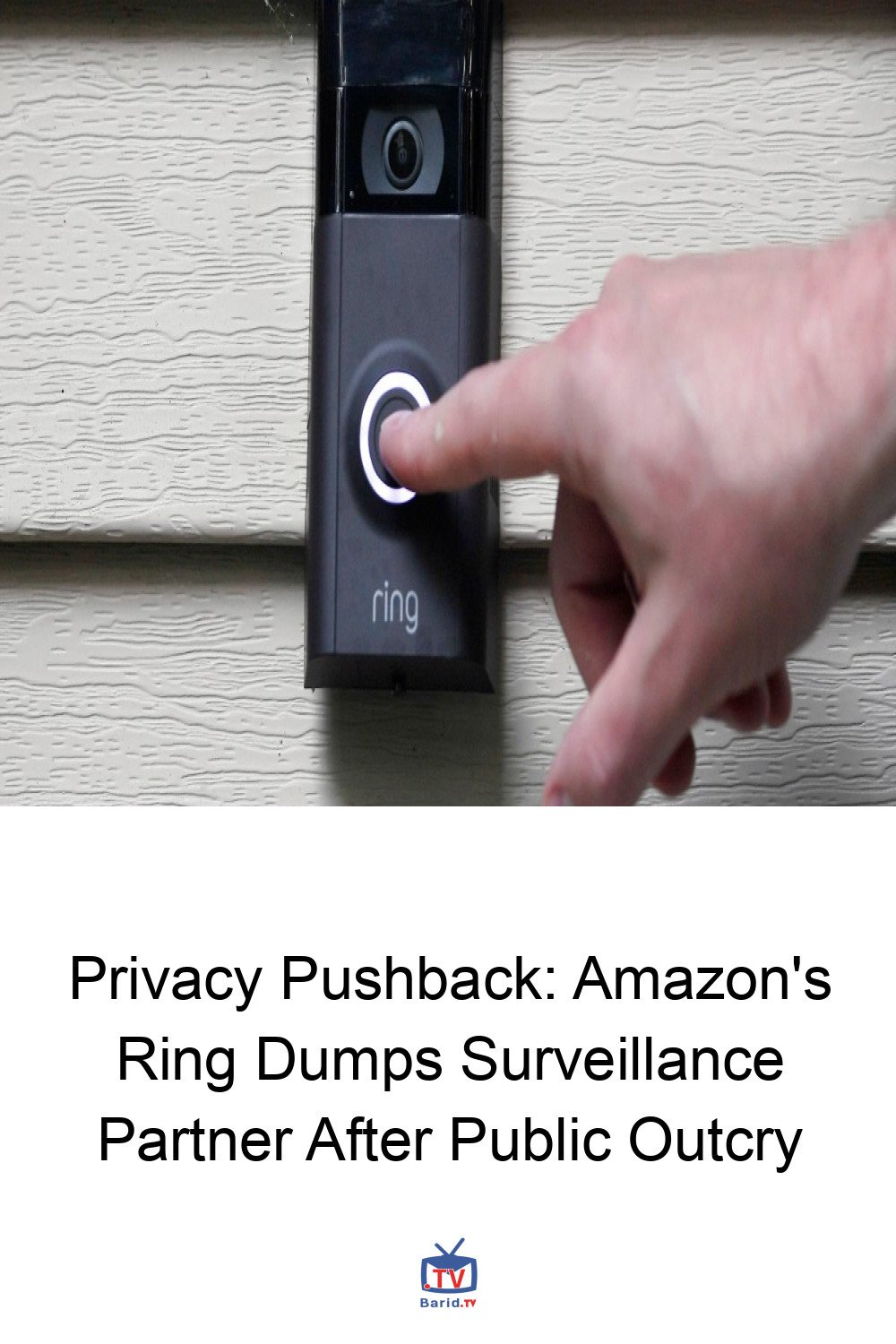
In a significant pivot following widespread public outcry, Amazon’s smart doorbell division, Ring, has announced the termination of its planned partnership with police surveillance technology company, Flock Safety. This decision comes on the heels of intense scrutiny, particularly after a controversial Super Bowl advertisement inadvertently ignited a firestorm of privacy concerns.
Ring’s Retreat: A Partnership Disbanded
The collaboration, initially unveiled last year, aimed to offer Ring camera owners the option to share their video footage with law enforcement via Ring’s “Community Requests” feature. However, the integration never fully launched, and both companies assert that no Ring customer videos were ever shared with Flock Safety. Ring’s official statement cited the integration requiring “significantly more time and resources than anticipated” as the reason for the “joint decision” to cancel.
Flock Safety, known for operating one of the nation’s largest networks of automated license-plate reading systems, has faced its own share of public backlash, particularly concerning its data sharing policies amidst aggressive immigration enforcement. While Flock maintains it doesn’t directly partner with ICE or other DHS subagencies for camera access, it acknowledges that its police department clients could choose to collaborate with federal agencies, a decision Flock “has no ability to override.” The company reiterated its commitment to supporting law enforcement with “fully configurable” tools.
The Super Bowl Ad That Sparked a Dystopian Debate
While Ring’s announcement didn’t directly link the termination to the Super Bowl ad, the timing is undeniably telling. The 30-second spot, featuring a lost dog found through Ring’s “Search Party” network of cameras, was intended to showcase a helpful feature. Instead, it triggered widespread fears of a burgeoning dystopian surveillance society.
Viewers flooded social media with criticism, perceiving the ad as sinister and raising questions about the potential for such technology to track humans. Many expressed intentions to disable the feature, highlighting a deep-seated public unease with pervasive digital monitoring.
Broader Surveillance Concerns and Legislative Pushback
The Super Bowl ad merely amplified existing anxieties surrounding Amazon’s Ring ecosystem. Civil liberties advocates, including the Electronic Frontier Foundation (EFF), have long warned about the erosion of privacy. The EFF specifically pointed to Ring’s existing biometric identification features, such as “Familiar Faces,” which utilize facial recognition. They cautioned against the potential combination of facial recognition with neighborhood search capabilities, painting a picture of pervasive, automated tracking.
Democratic Senator Edward Markey of Massachusetts has been a vocal critic, urging Amazon to discontinue its “Familiar Faces” technology. In a letter to Amazon CEO Andrew Jassy, Senator Markey asserted that the public backlash to the Super Bowl commercial unequivocally “confirmed public opposition to Ring’s constant monitoring and invasive image recognition algorithms.”
This episode underscores a growing tension between technological innovation in home security and fundamental privacy rights, pushing companies like Ring to re-evaluate their partnerships and product narratives in the face of an increasingly vigilant public.
For more details, visit our website.
Source: Link