
Beyond the Lightning: Ford’s Bold New Strategy for Affordable Electric Vehicles
Ford, a titan of the automotive industry for over a century, is embarking on a radical new journey in the electric vehicle (EV) landscape. After facing significant financial setbacks, including a staggering $19.5 billion hit on EV investments in 2025 and the discontinuation of the much-hyped F-150 Lightning, the company is recalibrating its approach. The era of oversized, unprofitable EVs is over; Ford is now betting big on a future of purpose-built, affordable electric vehicles designed to reignite consumer demand and, crucially, turn a profit.
The Skunkworks Initiative: A New Blueprint for EVs
Leading this ambitious pivot is Ford’s secretive Silicon Valley-based ‘skunkworks’ lab. Under the guidance of Alan Clarke, a 12-year Tesla veteran and Ford’s executive director for EV programs, this dedicated team of approximately 500 engineers, spread across Silicon Valley and Los Angeles, is tasked with a monumental challenge: to build EVs that are both cost-effective and genuinely fun to drive. For a long time, their work remained under wraps, but Ford is now ready to unveil its innovative strategy.
Introducing the Universal EV Platform (UEV)
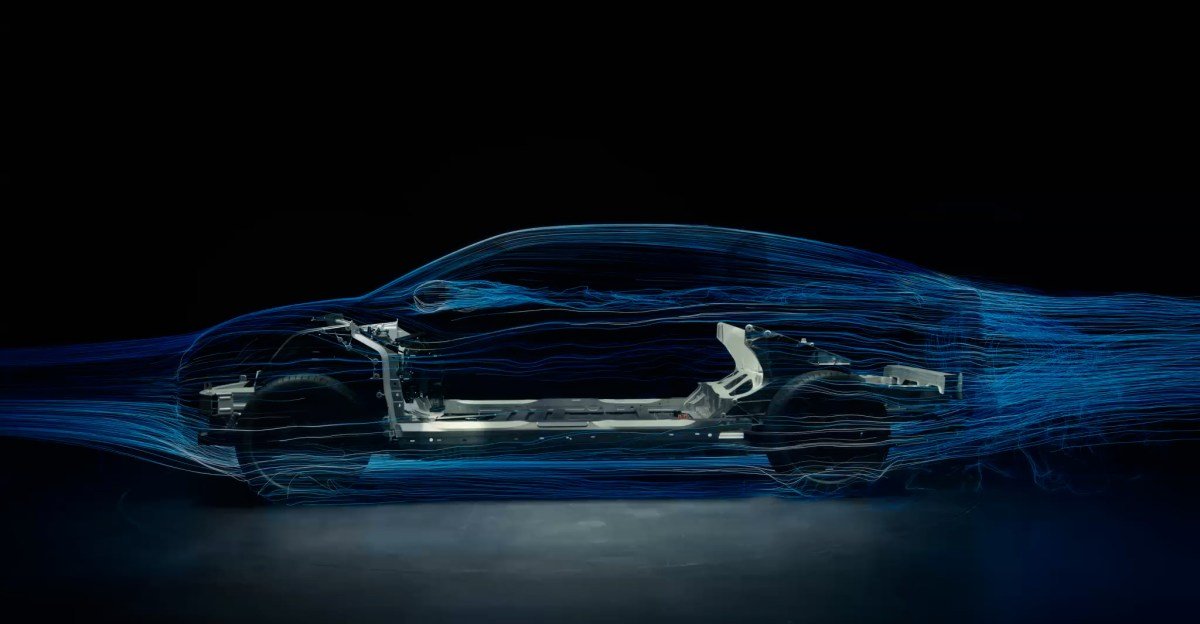
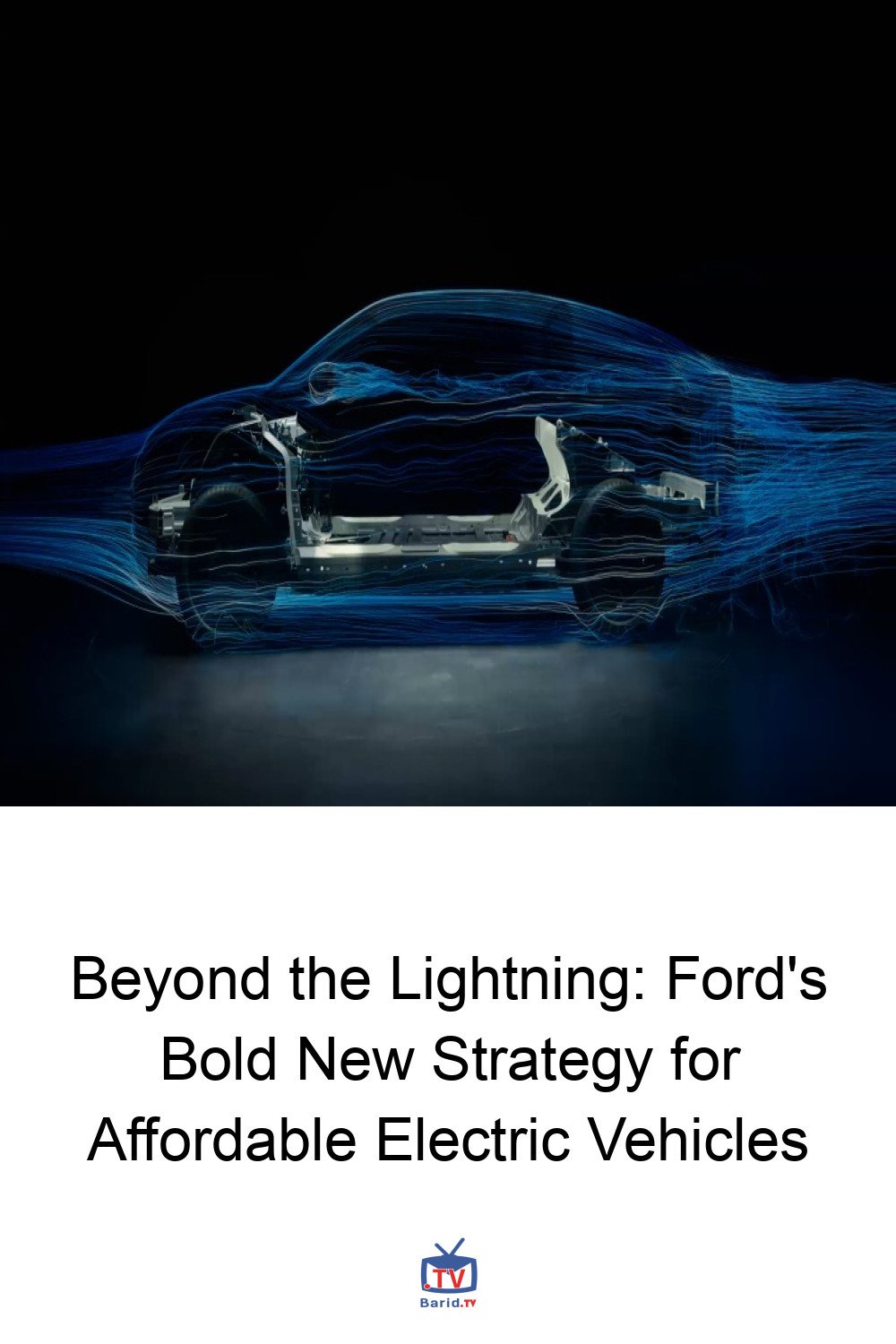
Clarke recently lifted the curtain on Ford’s Universal EV Platform (UEV). This groundbreaking architecture is set to underpin an entire family of low-cost EVs, with the first offering expected to be a $30,000 midsize truck slated for 2027. The UEV team operates on two fundamental principles: efficiency and affordability. They understand that excelling in the former – through meticulous weight reduction, friction minimization, and aerodynamic enhancements – is paramount to achieving the latter.
The skunkworks team is now transitioning from the design phase to full integration within Ford’s vast manufacturing ecosystem. This move signifies a shift from pure innovation to the “heavy lifting” of establishing a robust supply chain and preparing for mass production. As Clarke notes, this is more than just a new program; it represents the most significant product and platform change Ford has undertaken in at least a decade.
Bounties and Batteries: Redefining Engineering Decisions
At the heart of Ford’s affordability drive lies a direct confrontation with the biggest cost driver in any EV: the battery, which typically accounts for about 40 percent of the vehicle’s total price. Instead of waiting for a breakthrough in next-generation battery technology like solid-state cells, Ford’s skunkworks team is focused on maximizing the range from the smallest possible battery pack, utilizing low-cost LFP (Lithium Iron Phosphate) batteries.
The Physics of Profitability: Weight, Aerodynamics, and Cost
To achieve this, Ford has introduced an ingenious system called “bounties.” These are numerical metrics assigned to critical efficiency drivers such as vehicle mass and aerodynamic drag. Every engineering decision, no matter how small, is now evaluated through the lens of its impact on battery range and overall cost. For instance, a mere one-millimeter reduction in roof height can translate into a $1.30 saving in battery costs. Conversely, a slightly more expensive, lighter part might ultimately reduce the overall vehicle cost by decreasing the required battery size.
This bounty system provides a tangible framework for every engineer, product specialist, and designer to understand how their daily “micro decisions” directly influence the customer experience and the final product’s profitability. It’s a battle against physics itself, where every ounce of drag and every gram of weight robs the vehicle of precious range. Ford’s engineers are re-evaluating everything, even seemingly minor components like side mirrors, to be smaller and simpler, embodying the relentless pursuit of efficiency. The goal is clear: to make every design choice count towards a more affordable, more efficient, and ultimately, more profitable electric future.
For more details, visit our website.
Source: Link