
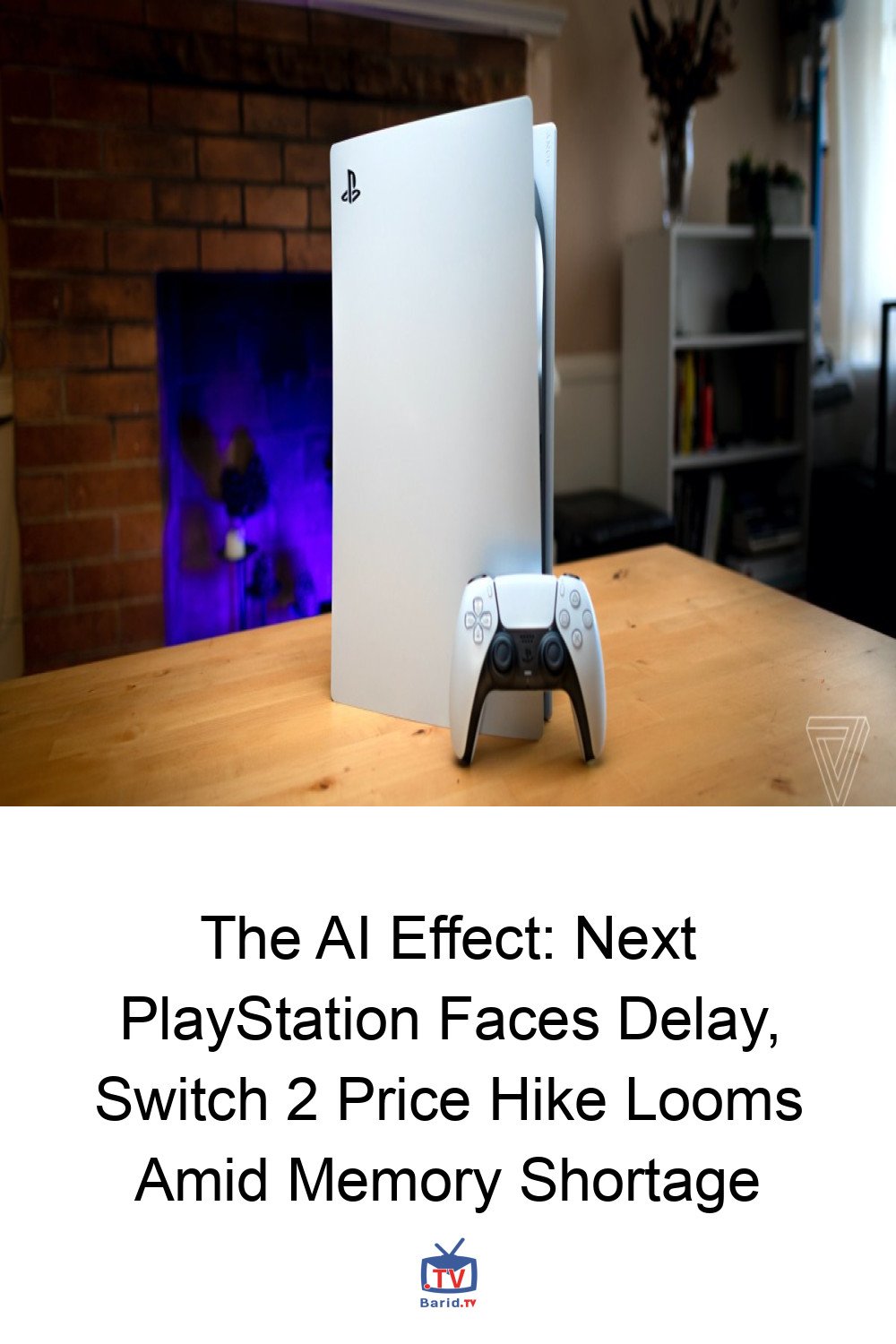
The gaming world is bracing for potential shifts in the highly anticipated release schedules and pricing of next-generation consoles from industry giants Sony and Nintendo. A burgeoning demand for memory chips, primarily driven by the insatiable appetite of AI data centers, is creating a significant squeeze on global RAM supplies, threatening to push back the debut of Sony’s PlayStation 5 successor and potentially inflate the price tag of Nintendo’s upcoming Switch 2.
The Unseen Battle: AI vs. Gaming Consoles
At the heart of this brewing storm is a critical component: Random Access Memory (RAM). As artificial intelligence technologies continue their rapid expansion, the data centers powering these innovations require vast quantities of high-performance memory chips. This surge in demand is reportedly diverting a substantial portion of memory chip production away from other industries, including consumer electronics like gaming consoles.
Industry sources, as cited by Bloomberg, indicate that this intense competition for resources is leading to both escalating costs and dwindling availability of essential components. The ripple effect is now reaching the very foundations of the gaming hardware market.
PlayStation’s Next Chapter: A Longer Wait?
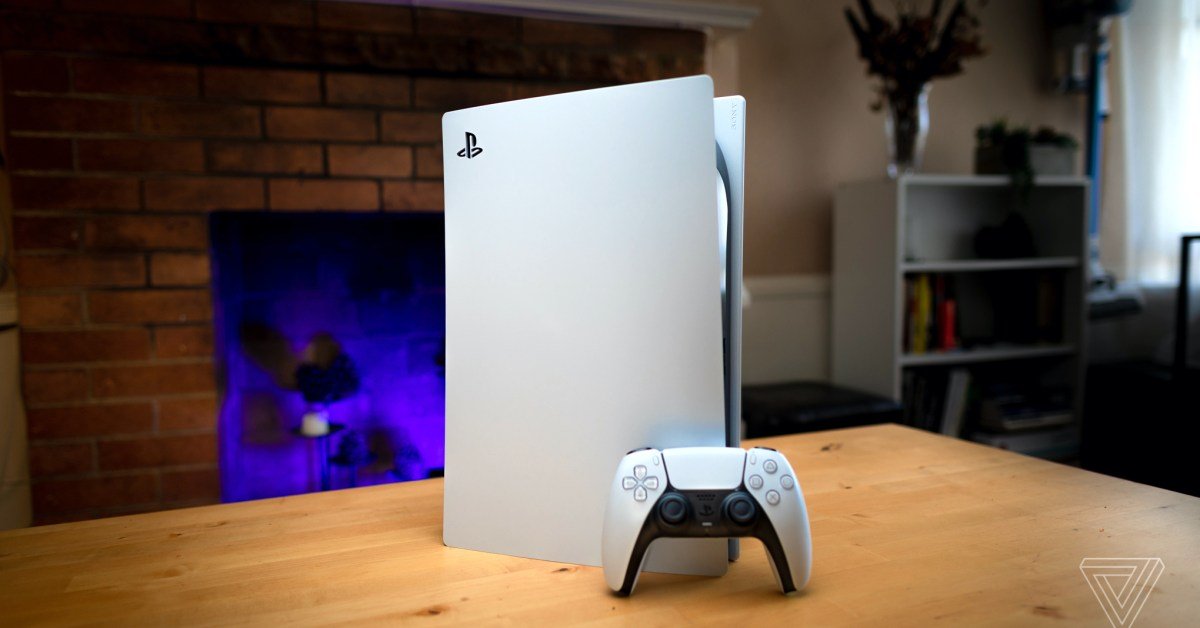
For Sony, the implications are particularly stark. The company is reportedly considering a significant delay for its next-generation PlayStation console. While a successor to the PlayStation 5 (released in November 2020) would typically be expected by late 2027, current projections suggest a potential launch as late as 2028 or even 2029. This would mark a notable departure from Sony’s established console release cadence, which has historically seen a new generation emerge every six to seven years since the original PlayStation’s debut in 1994.
Nintendo Switch 2: A Higher Price Tag?
Nintendo also finds itself in a precarious position. The memory shortage could compel the Japanese gaming giant to increase the launch price of its highly anticipated Switch 2 console this year. While the console was initially expected to retail around $450, and notably avoided a price hike last year despite broader economic pressures and tariffs, the current market dynamics may force a revision. Specifics regarding the potential price increase remain undisclosed, but the prospect looms large for consumers.
The Road Ahead for Console Manufacturers
Both Sony and Nintendo are navigating a complex supply chain landscape, where the demands of cutting-edge AI are directly impacting the consumer electronics sector. While neither company has officially commented on these reports, the industry is watching closely to see how these challenges will ultimately shape the future of console gaming. The era of AI is not just transforming software; it’s now dictating the very hardware we play on.
For more details, visit our website.
Source: Link