
The Device in Your Hand: A Potent Symbol of Resistance and Control
In an era defined by rapid information flow and contested narratives, the humble smartphone has emerged as a profoundly powerful, yet equally perilous, instrument. It is a tool of resistance, empowering citizens to document injustice and mobilize dissent. Yet, in the hands of the state, it transforms into a potent instrument of control, shaping public perception and suppressing inconvenient truths. This duality was starkly illustrated in the tragic events surrounding Alex Pretti.
An eyewitness video, meticulously analyzed by The New York Times, captures Alex Pretti in his final moments, one hand raised, the other clutching his phone. Federal agents, later identified as Border Patrol agent Jesus Ochoa and Customs and Border Protection (CBP) officer Raymundo Gutierrez, tackle him. A gun, legally holstered, is found and removed. Then, a volley of shots rings out – at least eleven in total – as Pretti lies on the ground. The Trump administration swiftly claimed self-defense, citing Pretti’s firearm. However, the true object of their apparent fear, and the one they’ve consistently sought to control, was the device he held: his smartphone.
Digital Evidence: The People’s Shield
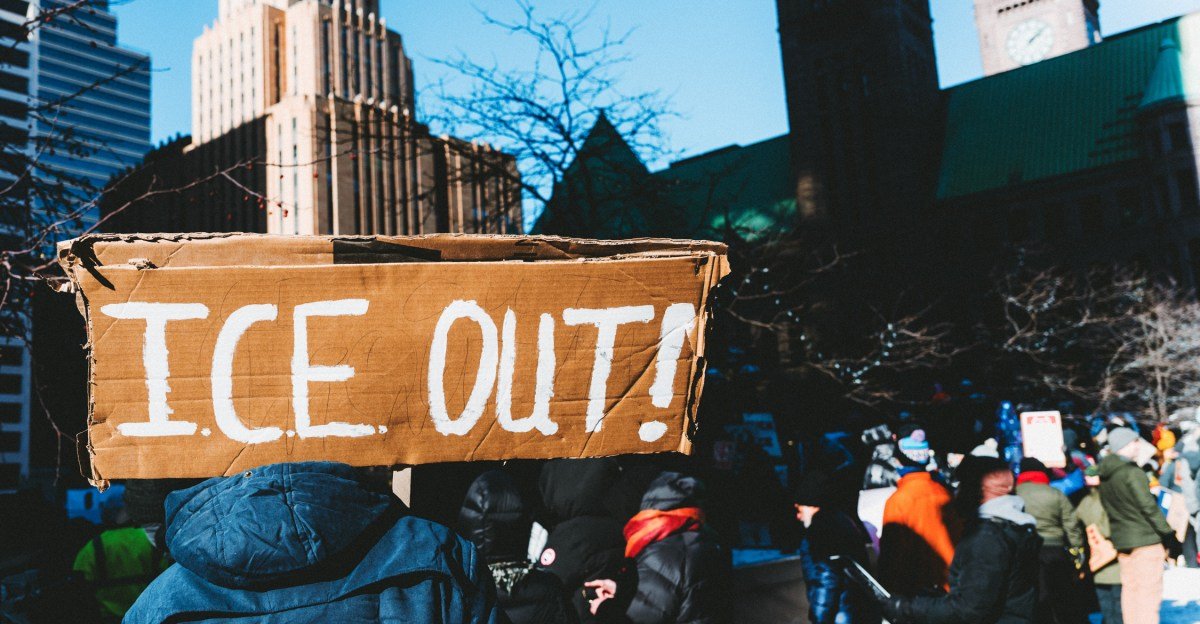
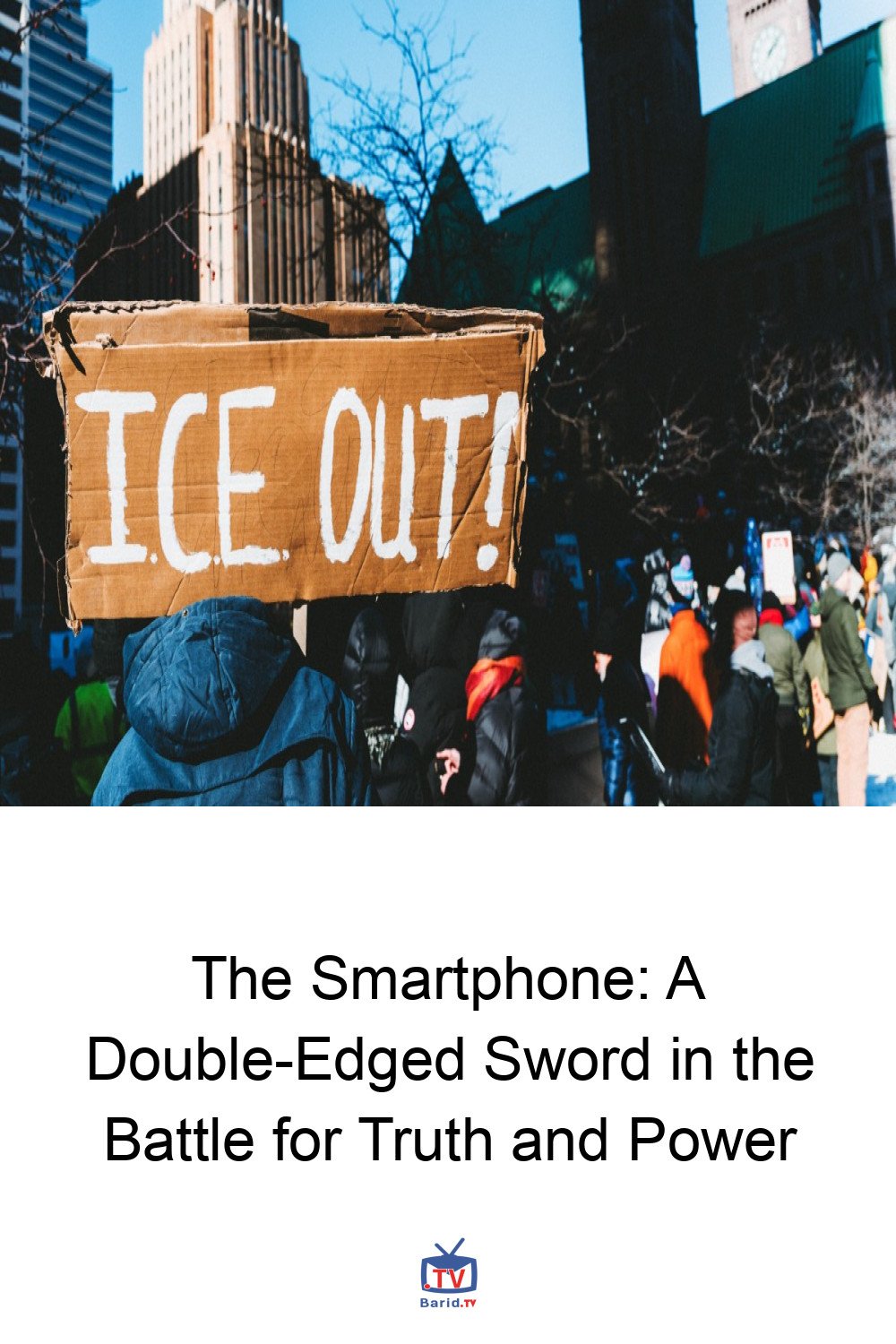
The visual of Pretti clutching his phone before his death resonates deeply with millions across the nation. For those challenging the federal government’s immigration enforcement tactics, technology – particularly smartphones and social media – has become an indispensable defense. These devices serve as crucial tools to alert communities to ICE’s presence, organize aid and direct actions, and provide a window for distant observers into on-the-ground realities. They are a visible thorn in the side of administrations seeking to control the narrative.
The State’s Digital Arsenal: Shaping Perception
Paradoxically, the very power of information technology recognized by citizens is also wielded by the state. Official government accounts frequently disseminate right-wing memes, often laced with authoritarian or white supremacist undertones. Cabinet secretaries and President Donald Trump himself regularly leveraged platforms like X (formerly Twitter) and Truth Social to push their version of events. Shortly before Pretti’s killing, the administration used social media to counter video evidence of another fatal shooting in Minneapolis involving a federal agent: that of 37-year-old Renee Good.
In a Truth Social post, Trump asserted Good “viciously ran over the ICE Officer,” presenting a grainy, distant video angle he claimed made it “hard to believe” the agent survived. Yet, a Times analysis of multiple angles, including closer perspectives, revealed that the “agent was not in the path of the victim’s SUV when he fired three shots at close range.” This incident, much like Pretti’s, underscored the administration’s willingness to disregard verifiable facts in favor of a self-serving narrative, expertly amplified through digital channels.
The Evolving Landscape of Information Control
While officials across various administrations have historically pushed back against negative press, the Trump administration demonstrated an unparalleled willingness to dismiss objective truth and a sophisticated aptitude for utilizing technology to sculpt its version of history. It cultivated relationships with influencers, recognizing their often superior reach compared to traditional media. Its rapid-response “memeification” of policy issues spoke the fluent language of the internet, and it actively allied with or created platforms to facilitate its information flow.
Lessons Learned: From Protests to Proprietary Platforms
Donald Trump’s first term offered a stark lesson in the critical value of controlling the platforms where narratives are forged and disseminated. The 2020 bystander video of Derek Chauvin, a white police officer, kneeling on George Floyd’s neck for nine minutes ignited nationwide protests and spurred tangible – albeit often fleeting – change. While Trump acknowledged Americans were “rightly sickened and revolted” by Floyd’s “brutal death,” he quickly pivoted to blaming “antifa” and “professional anarchists,” vowing to deploy additional law enforcement to quell demonstrations.
A more personal grievance further solidified his understanding of platform power. In 2021, Trump was deplatformed from Facebook, Twitter, and YouTube amidst concerns he would incite further violence following the US Capitol insurrection. A year later, he launched his own social platform, Truth Social, a move that underscored his determination to control the digital stage, a stage where the smartphone remains the ultimate gateway.
For more details, visit our website.
Source: Link