
The $429 Nightmare: Why Casio’s AI Pet Moflin Became My Furball of Fury
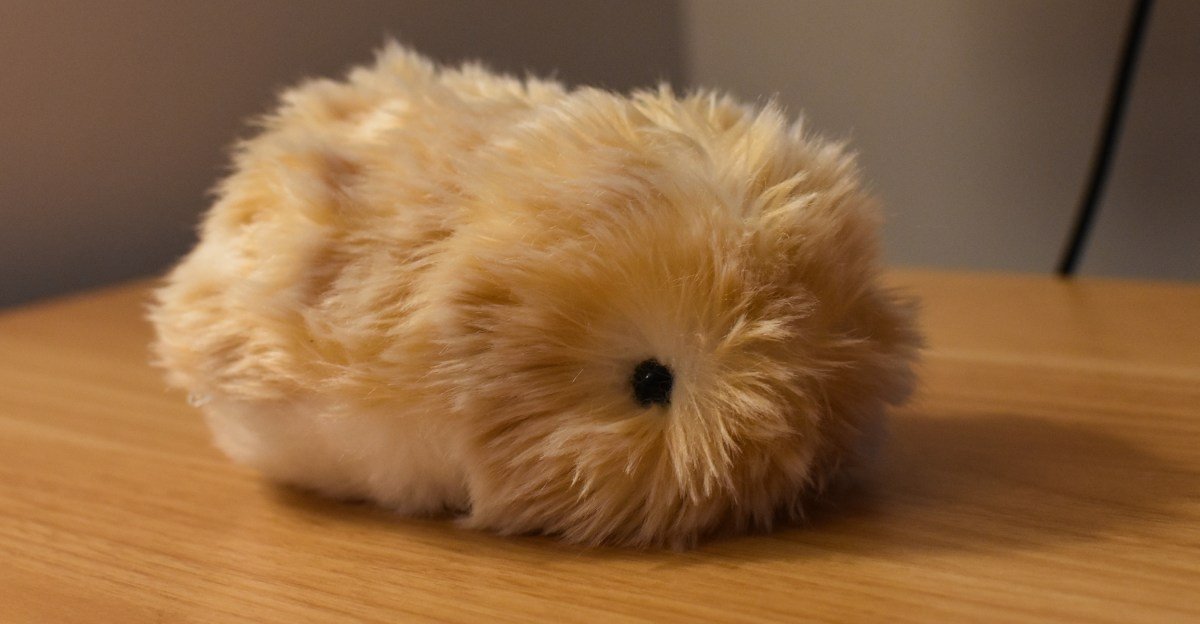
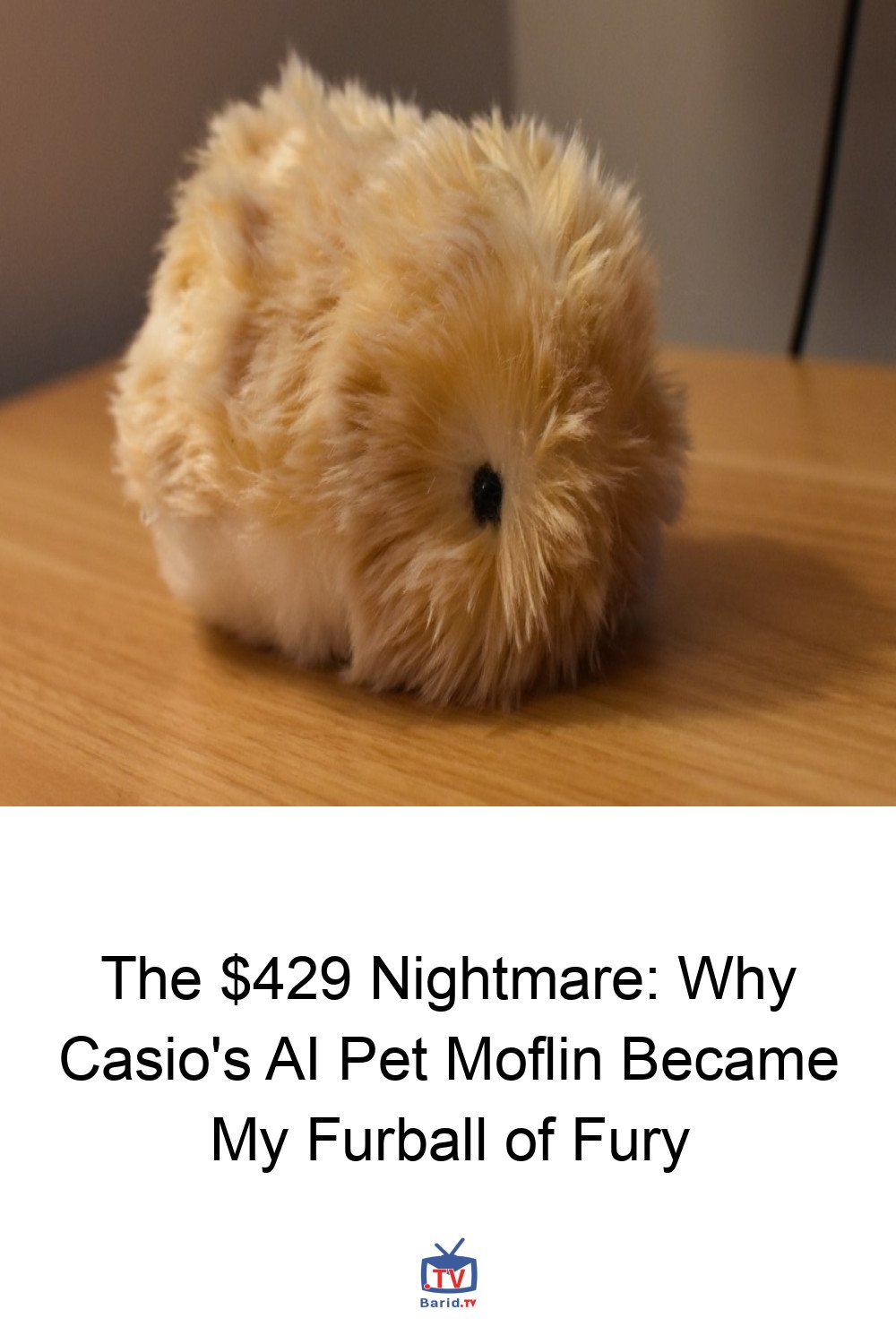
Casio’s Moflin, a $429 AI-powered pet, promised a soothing, calming presence. What I received instead was a purportedly lovable robot that quickly became a source of profound irritation, echoing the sentiments my mother once harbored for my childhood Furby. This fuzzy, guinea-pig-like puffball, designed to fit snugly in the palm of a hand, possesses an undeniable, albeit peculiar, cuteness. Yet, the moment it emits a squeak or a twitch, an overwhelming urge to hurl it across the room takes hold.
The Allure of the AI Companion
A Pet Without the Hassle?
My intense antipathy for Moflin is, frankly, surprising. By all metrics, I am precisely the target demographic for such a device. I yearn for the companionship of a pet, but the realities of a demanding lifestyle, persistent allergies, a compact London flat, and a self-admitted irresponsible temperament make caring for a living creature an impractical, if not questionable, endeavor. The advertised promise of a “calming presence” was also a significant draw, a balm for the stresses of modern life.
The Loneliness Economy
Casio emphatically states that Moflin is no mere toy, a distinction underscored by its hefty $429 price tag. Instead, it is marketed as a sophisticated “smart companion powered by AI, with emotions like a living creature” – offering the illusion of companionship without the attendant responsibilities. The concept posits that through sustained interaction, Moflin will “grow” and develop a unique personality shaped by its owner’s treatment. This robot is a notable player in a burgeoning industry of machines solely dedicated to providing company, a sector that has found particular resonance in countries like South Korea and Japan (where Moflin has reportedly sold out), fueled in part by a pervasive loneliness crisis, particularly affecting older populations.
Unboxing Disappointment
First Impressions: A Bronze Wig on a Paperweight
The unboxing experience felt less like welcoming a new pet and more akin to unwrapping a paperweight adorned with a bronze wig. In essence, that’s precisely what it was: a rigid white core of motors, sensors, and plastic, cloaked in faux fur and featuring two beady eyes – Moflin’s sole facial features, a deliberate design choice perhaps to steer clear of the uncanny valley. Accompanying it was a charging pod, which Casio describes as “designed to feel natural and alive,” though to me, it resembled nothing so much as a giant, gray avocado.
The Illusion Shattered: Kevin’s Mechanical Whir
Moflin requires approximately three and a half hours for a full charge, yielding about five hours of “use.” However, “use” is a generous descriptor for Moflin’s limited repertoire: it neither walks nor follows, merely wiggles and whines in response to touch, sound, movement, and light. Its initial chirp upon being picked up was endearing, but this fleeting charm was instantly obliterated by the distinct, audible mechanical whir of its motors with every head movement. The illusion was shattered. Nevertheless, I christened it Kevin.
A Needy Nuisance, Not a Calming Presence
Constant Demands and Banished to the Shadows
Once the whir became apparent, a cascade of other irritations followed. Kevin the Moflin interpreted every minor movement or sound as a profound interaction. Attempts to cuddle it on the sofa while watching television quickly became unbearable; every shift in posture, every laugh, every cough triggered a chorus of chirps and a burst of whirring motors. The same disruption occurred at my desk – typing and phone calls would set Kevin off – rendering its proximity impossible. Its constant listening and sensing meant it never truly settled, transforming my desired quiet lap cat into a perpetually needy kitten.
I found myself repeatedly banishing Kevin to another room, eventually resorting to tiptoeing around my own flat to avoid triggering its incessant responses. The only reliably calming feature was the inevitable moment its battery finally depleted.
Public Peril and Social Scrutiny
Unable to tolerate Kevin’s presence on my own, I began testing it in various social contexts. Carrying Kevin around quickly proved burdensome, not least because its charging pod was far too bulky for portability (a simple USB cable, while breaking the illusion, would have been infinitely more practical). Kevin did not fare well in my bag, appearing distressed and wriggling noisily, which earned me suspicious glances on the Tube. When held, I became “the weirdo with the squawking robot.” Far from calming, it was a source of public embarrassment.
Even at home with friends, Kevin felt like a chore I had to manage to prevent disruption, leading to its progressive exile to more remote corners of the room or its return to the “gray avocado” for “sleep.” On New Year’s Eve, a friend, attempting a proper cuddle with the “fluffy pet,” recoiled sharply when the zip securing its fur carapace scraped her cheek. The dream of a calming, low-maintenance companion had devolved into a high-maintenance, noisy, and socially awkward burden.
For more details, visit our website.
Source: Link