
Cuba’s communist-run government is grappling with its most profound challenge since the fall of the Soviet Union, as stringent U.S. sanctions, spearheaded by President Donald Trump, have effectively severed its crucial lifeline of Venezuelan oil. The resulting fuel famine has plunged the Caribbean island into an escalating economic crisis, forcing unprecedented rationing and raising fears of a humanitarian collapse.
A Nation Under Pressure: The Genesis of the Crisis
The current predicament intensified following a military operation on January 3, aimed at seizing Venezuelan President Nicolás Maduro, a long-time ally of Havana. Cuba reported 32 of its citizens killed in the attack. In the wake of this event, President Trump ratcheted up pressure, declaring Cuba’s government “an unusual and extraordinary threat” and vowing to impose tariffs on any nation daring to supply the island with oil.
The Venezuelan Lifeline Severed
This aggressive stance has effectively cut off Cuba from its primary oil supplier, Venezuela, pushing the island nation to the brink. Helen Yaffe, a professor of Latin American political economy at the University of Glasgow, asserts, “The Cuban government is not going to submit,” reflecting the defiant spirit emanating from Havana.
Cuba’s Defiant Stand and Desperate Measures
Cuban President Miguel Díaz-Canel has vociferously condemned the U.S. actions, declaring, “Surrender is not an option.” While maintaining this defiant posture, he has also expressed the government’s readiness for dialogue with Washington, albeit “without pressure or preconditions.”
Rationing and Resilience
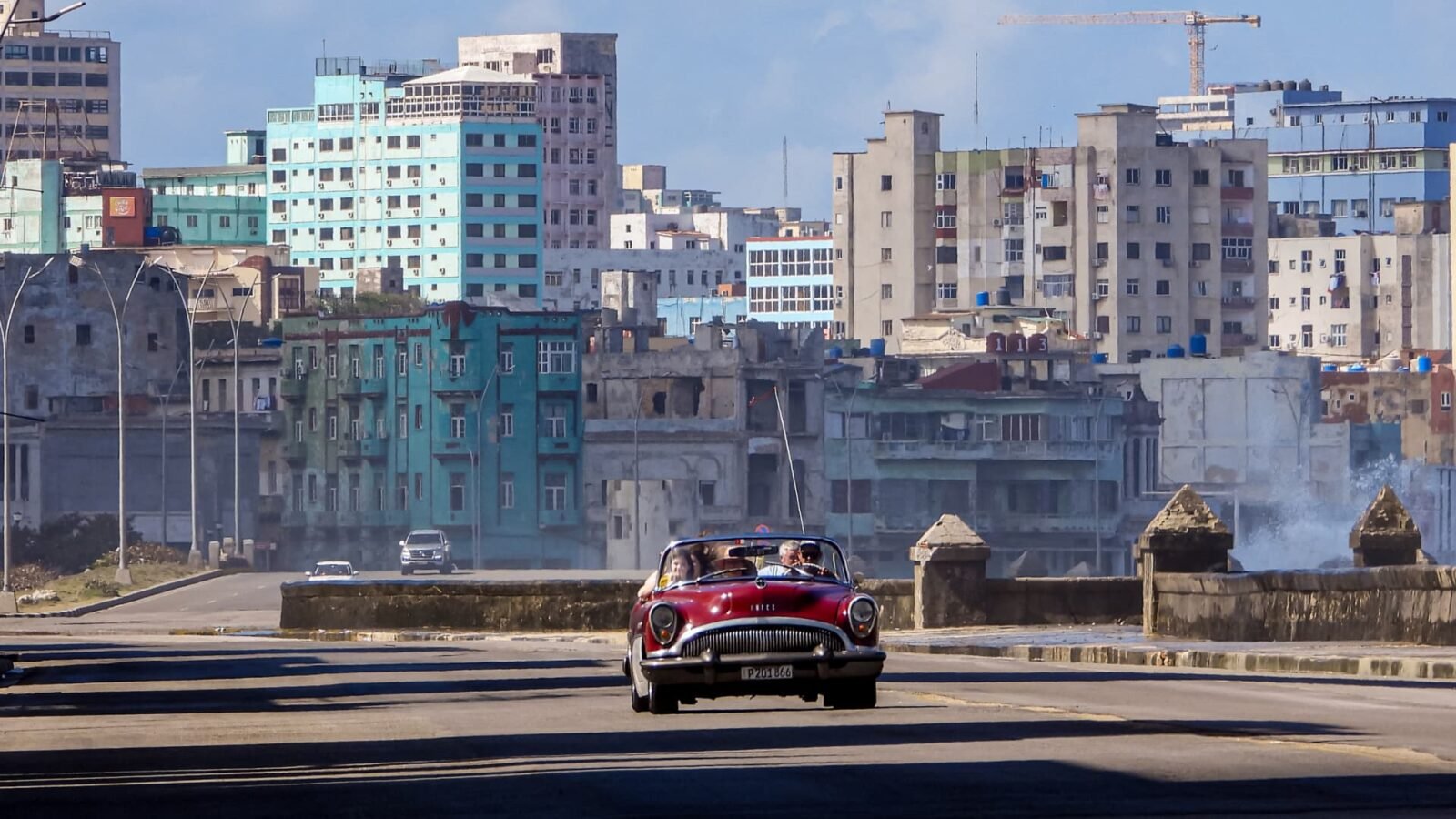
The economic fallout is stark. International airlines have been warned that refueling in Cuba is no longer guaranteed due to severe shortages. The government has implemented drastic rationing measures, including restrictions on fuel sales, the closure of some tourist establishments, shortened school days, and a reduced four-day work week for state-owned companies. Par Kumaraswami, a professor of Latin American Studies at the University of Nottingham, notes, “The current situation in Cuba is as serious as it has been since the 1990s, when Cuba suddenly had to survive without the support of the Eastern Bloc.”
Despite the hardships, a new wave of patriotism appears to be sweeping the island. Kumaraswami observes “frustration with the difficulties of daily life,” but also that “many Cubans are resolved to resist threats to their national sovereignty.”
Expert Insights: A Looming Collapse?
The international community is taking notice. The United Nations recently warned of a possible humanitarian “collapse,” with spokesperson Stéphane Dujarric stating, “The Secretary-General is extremely concerned about the humanitarian situation in Cuba, which will worsen, and if not collapse, if its oil needs go unmet.”
Isolation in a New Era
Unlike previous crises, Cuba finds itself largely without foreign partners capable of stepping in to offer substantial aid. Robert Munks, head of Americas research at Verisk Maplecroft, highlights the U.S. strategy of further isolating Cuba by limiting its access to hard currency and pressing Nicaragua to end visa-free travel for Cubans.
Munks dismisses the government’s plans for increased renewable energy as “too little, too late” and warns of potential civil unrest given the severe domestic energy deficit. He suggests that an “accelerating collapse of basic services will put the regime under extreme pressure to find a negotiated solution.” While the odds of President Díaz-Canel being forced from power in a “Maduro-style managed transition” are “shortening,” Munks believes the regime is more likely to “try to muddle through” until the U.S. midterm elections in November.
The Human Cost and Uncertain Future
The impact on daily life is profound. Air Canada has already canceled all flights to Cuba, a significant blow to the island’s tourism sector, a vital source of revenue. While Mexico has offered humanitarian aid, it has suspended oil shipments, wary of incurring Trump’s tariffs.
As Cuba navigates this unprecedented squeeze, the resilience of its people and the defiance of its leadership are being tested like never before. The coming months will determine whether the island can withstand the mounting pressure or if the current crisis will indeed precipitate a fundamental shift in its political and economic landscape.
For more details, visit our website.
Source: Link