
In an age where digital privacy is increasingly scrutinized, many users are seeking to reduce their reliance on tech giants. While finding alternatives for search engines, email, and cloud storage is relatively straightforward, detaching from Google’s pervasive influence on mobile operating systems presents a significant challenge. The immediate thought might be an iPhone, but for those committed to a Google-free existence, simply swapping one tech behemoth for another (Apple) often isn’t the desired solution, despite Apple’s slightly better privacy stance.
Fear not, privacy-conscious reader! A vibrant ecosystem of alternatives to Google’s Android exists. While many are technically “forks” or modified versions of Android rather than entirely distinct operating systems, they are meticulously engineered to strip out Google’s services and replace them with privacy-respecting alternatives (often leveraging projects like microG). These systems typically sandbox remaining components, limiting their access and enhancing security. The result? A smartphone experience that significantly reduces Google’s data footprint and often provides a more secure environment. However, it’s crucial to remember that their core foundation remains Android.
For those seeking a truly independent mobile OS, the landscape is narrower. While iOS, for all its Apple-centricity, remains the most functional “true” alternative, it’s rarely the choice for someone actively de-Googling. Linux-based phone systems, such as SailfishOS, are emerging and show promise, even offering Android app compatibility. However, extensive testing reveals that most are not yet robust enough for daily driver use in 2026.
Why De-Google Your Phone? The Quest for Digital Sovereignty
The decision to de-Google your phone isn’t always about extreme privacy concerns; sometimes, it’s simply about the joy of tinkering and expanding your device’s capabilities. Many users happily run Google Services on modified Android ROMs like LineageOS purely for customization.
However, for a growing number, the motivation is privacy. Google’s extensive data collection practices are well-documented. De-Googling your smartphone offers a path to enjoying modern mobile convenience without constantly feeding your personal data into Google’s vast ecosystem. It’s about reclaiming your digital autonomy and participating in the technological world on your own terms. As someone who has personally used a de-Googled alternative like GrapheneOS for over five years, I can attest to the peace of mind it offers.
Understanding the Android Open Source Project (AOSP)
At its heart, Google’s Android is an open-source mobile operating system. This means the Android Open Source Project (AOSP) provides a foundational codebase that anyone can theoretically use to build their own mobile OS. But AOSP is just the beginning.
A complete, functional mobile operating system requires much more than just the underlying open-source code. It needs device-specific drivers, Google’s proprietary Play Services APIs, and a suite of integrated apps for essential functions. This proprietary layer, built atop AOSP, is incredibly complex and challenging for alternative projects to replicate. While getting AOSP to run is relatively straightforward, crafting a polished, user-friendly mobile experience on top without Google’s proprietary components is where the real difficulty lies, explaining why the list of truly excellent de-Googled Android alternatives remains concise.
The Bootloader: Gateway to Customization (and Security Risks)
The bootloader is a critical piece of software that dictates which operating system loads on your phone. Manufacturers typically lock the bootloader using cryptographic keys to ensure that only officially signed software updates can be installed. This is a fundamental security measure, protecting your device from malicious software.
However, this security also prevents you from installing an alternative operating system. To install a de-Googled OS, unlocking the bootloader is often the first step. After installing your chosen OS, the ideal scenario would be to re-lock the bootloader to restore security. Unfortunately, this isn’t always possible with most devices, as re-locking with a custom OS often “bricks” the phone. This is why Pixel phones are popular among enthusiasts: they uniquely allow users to re-lock the bootloader after installing a custom ROM. For most other devices, users must accept the inherent security vulnerability of an unlocked bootloader, a compromise that underscores the challenges in achieving true mobile freedom.
What About iOS? The Apple Ecosystem’s Privacy Proposition
Apple’s iOS undeniably offers a more robust set of privacy features compared to a standard, Google-laden Android experience. From app tracking transparency to on-device processing, Apple has made privacy a significant selling point. In practice, iOS is a highly refined and user-friendly operating system. However, for those seeking to escape the clutches of a single dominant tech entity, iOS presents its own set of challenges. It is deeply integrated into the Apple ecosystem, making it difficult to fully disentangle yourself from Apple’s services, even if you avoid iCloud or use alternative syncing solutions.
Our Top Picks for De-Googled Android Alternatives (2026)
Best Preinstalled Phone: Fairphone 6 with /e/OS
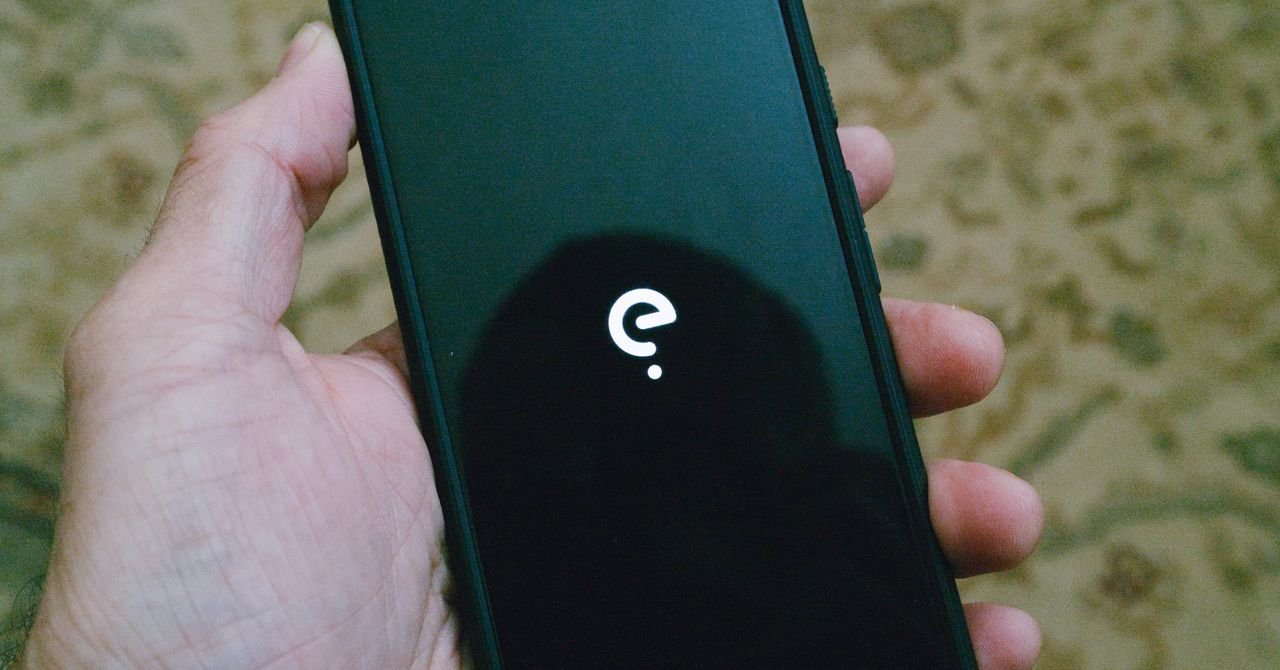
For users who want a privacy-focused phone without the hassle of flashing firmware, the Fairphone 6 running /e/OS (Murena) is an excellent choice. It comes pre-installed with a de-Googled Android experience, offering a seamless transition to a more private mobile life. Fairphone’s commitment to ethical sourcing and repairability further enhances its appeal, making it a holistic choice for the conscious consumer.
Best for Pixel Phones: GrapheneOS
If you own a Google Pixel device and prioritize cutting-edge security and privacy, GrapheneOS is arguably the gold standard. Developed with a strong focus on hardening the Android Open Source Project, GrapheneOS offers advanced security features, including enhanced sandboxing, exploit mitigations, and a robust privacy framework. Its compatibility with Pixel phones allows for bootloader re-locking, providing a level of security unmatched by most other custom ROMs.
Best for Non-Pixel Phones: /e/OS (Murena)
For those with non-Pixel Android devices, /e/OS (also known as Murena) provides a widely compatible and user-friendly de-Googled experience. It aims to offer a complete ecosystem of privacy-respecting apps and services, replacing Google’s offerings with open-source alternatives. While it might not offer the same deep security hardening as GrapheneOS, its broad device support and commitment to user privacy make it an accessible entry point into the de-Googled world.
For the DIY Tinkerer: LineageOS
LineageOS remains the most popular and versatile custom Android ROM. While it doesn’t inherently de-Google your device (you can choose to install Google Play Services or microG), it provides a clean, open-source base for a vast array of devices. For the technically inclined who enjoy customizing every aspect of their phone, LineageOS offers unparalleled flexibility and a massive community of support. It’s the perfect canvas for building your ideal, Google-free (or Google-lite) mobile experience.
Embracing a More Private Mobile Future
The journey to a de-Googled smartphone is not without its complexities, but the options available in 2026 are more mature and user-friendly than ever before. Whether you’re seeking ultimate security, broad compatibility, or the freedom to tinker, there’s a viable alternative to stock Android that respects your privacy. Making the switch requires some effort, but for many, the peace of mind and control gained are well worth it.
For more details, visit our website.
Source: Link