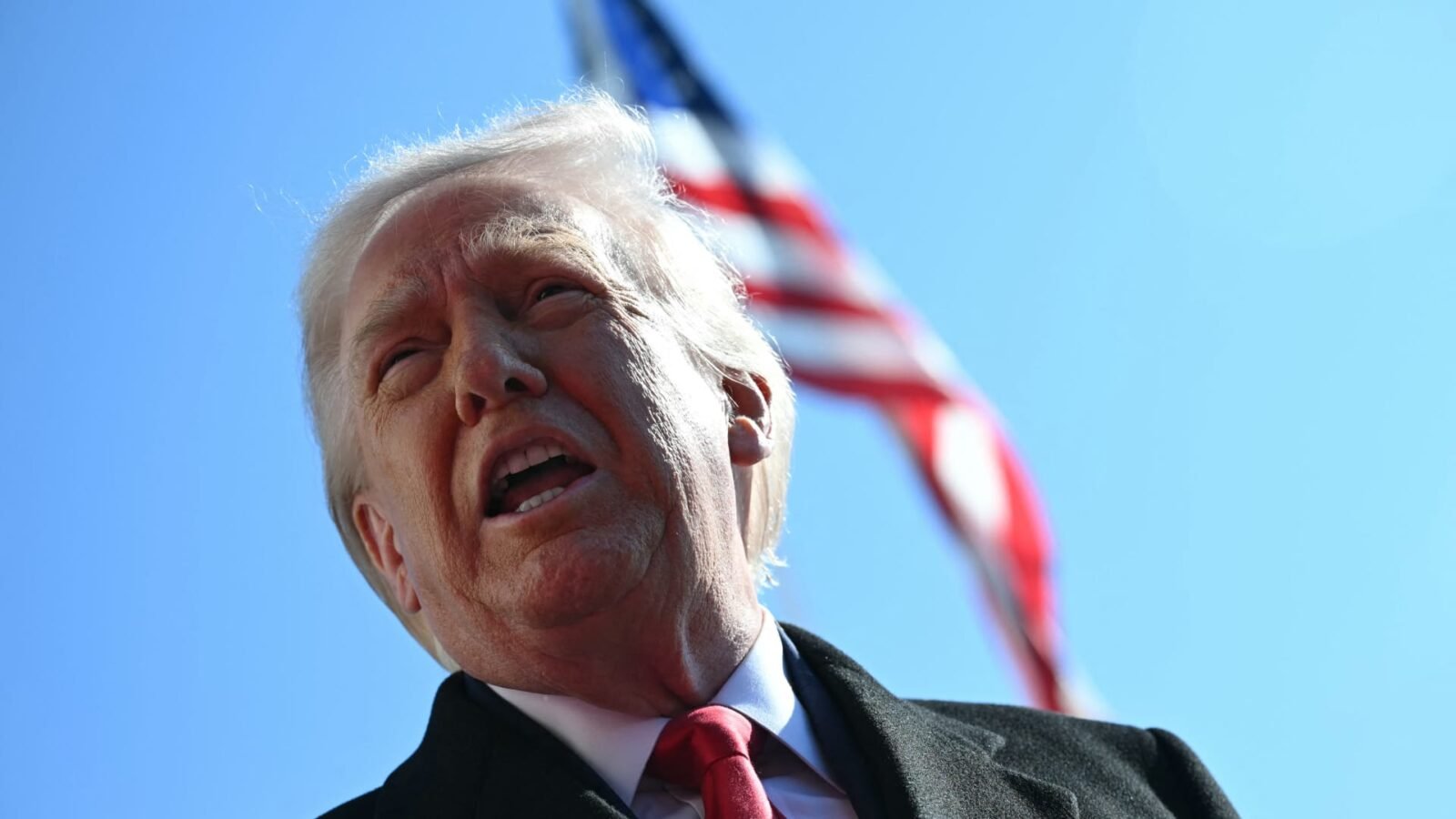

In recent weeks, former President Donald Trump, long considered the undisputed leader of the Republican Party, has found his political standing increasingly challenged. A confluence of factors – including growing dissent from within his own party, persistent struggles with public approval on key economic issues, and the widening fallout from the Department of Justice’s release of Jeffrey Epstein’s files – suggests a potential softening of his once-iron grip.
GOP Cracks Emerge Amidst Policy Disputes
Signs of internal friction within the Republican ranks are becoming more pronounced. Figures like Kentucky Rep. Thomas Massie and North Carolina Sen. Thom Tillis, known for occasionally diverging from the former president, are now more vocal. Crucially, a handful of Trump’s staunchest congressional allies have also begun to show daylight between their positions and his.
A notable example unfolded this week when six U.S. House Republicans voted to overturn Trump’s tariffs on Canada. This symbolic yet significant move, which came after three Republicans sided with Democrats to enable the vote, underscores a growing willingness among some in the GOP to defy the former president on his signature economic policies. Despite threats of retaliation, the votes proceeded, highlighting a leadership struggle within the party to maintain a united front.
Meanwhile, Senator Tillis has steadfastly held up a presidential Fed chair nomination, protesting a Justice Department investigation into the current chair. This act of defiance further illustrates the growing independence of some Republican lawmakers.
Economic Headwinds and Public Discontent
The apparent shift in party dynamics comes as Trump grapples with stubbornly low approval ratings, particularly concerning the economy. With high prices continuing to impact American households, the economy – a central plank of his previous campaigns – remains a critical vulnerability. Despite the administration’s attempts to reframe the narrative by highlighting drug-pricing initiatives, stock market gains, or projected tax refund increases, these efforts have been largely overshadowed by a deluge of political setbacks and controversies.
Even a passing mention of curbing price increases by Trump during a speech to troops in North Carolina, hours after figures showed slowing inflation, struggled to cut through the noise of broader political challenges.
Epstein Files Add to Political Turbulence
Adding another layer of complexity to Trump’s challenges is the heightened fallout from the Department of Justice’s release of millions of files related to notorious sexual predator Jeffrey Epstein. The documents, which reportedly mention Trump and his allies, have sent ripples through global power circles, further complicating the political landscape and drawing unwanted scrutiny.
Democrats Seize the Narrative
Observing the internal GOP struggles and Trump’s declining approval, Democrats are quick to capitalize. Following significant wins in last fall’s off-year elections, fueled by an “affordability” message, they are now pushing a narrative that “the tide is turning.” Prediction markets currently favor Democrats to regain control of the House in the upcoming midterms.
“Trump’s grip on power is slipping,” declared Rep. Jim McGovern, D-Mass., reflecting a broader sentiment among Democrats who argue that the former president’s economic claims are failing to resonate with families struggling with high costs.
Administration’s Defense and Immigration Policy Shift
Despite the mounting challenges, the White House maintains that the Republican Party will remain united under Trump’s leadership. White House press secretary Karoline Leavitt stated via email, “Under President Trump’s leadership, Republicans will remain united together against the radical Democrats, who will destroy our country once again, if given the chance, with wide open borders, noncitizens voting in elections, and horrible economic policy.”
In another development, the administration announced the conclusion of its immigration enforcement “surge” in Minnesota. This decision followed public outcry against aggressive tactics by federal agents, exacerbated by the tragic killing of two U.S. citizens in Minneapolis. A recent AP-NORC poll indicates that most Americans believe the administration’s deployment of deportation forces has gone too far, suggesting a shrinking GOP advantage on immigration.
For more details, visit our website.
Source: Link