
Morocco’s Time Conundrum: Clocks Roll Back for Ramadan, But Debate Ticks On
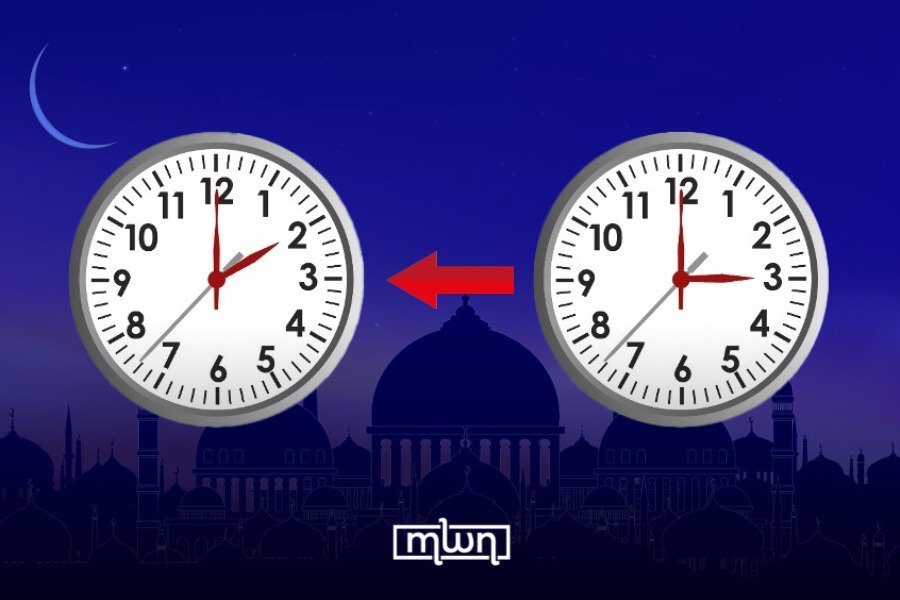
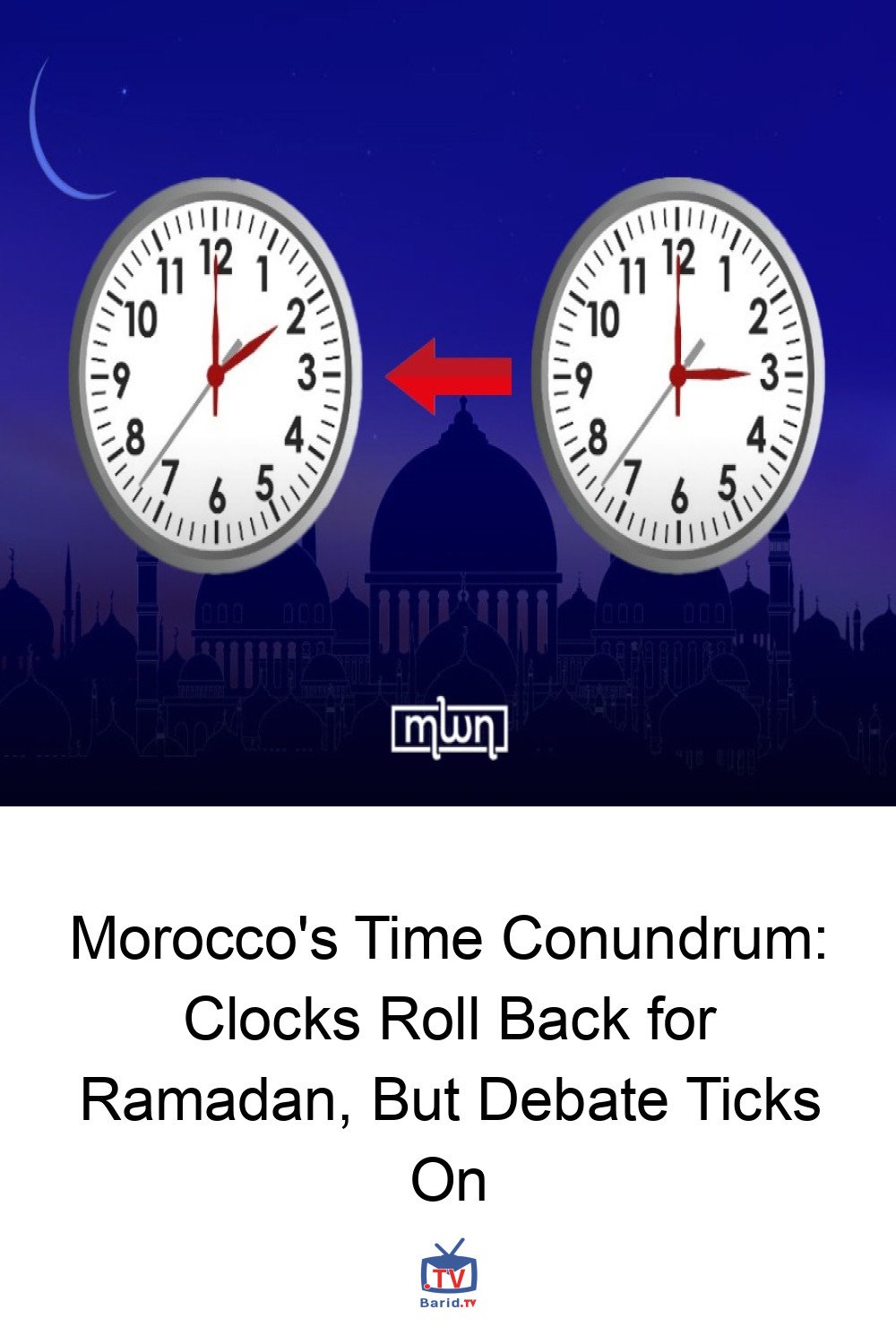
Marrakech, Morocco – As the holy month of Ramadan approaches, Moroccans are once again preparing to adjust their clocks, setting them back by an hour to Greenwich Mean Time (GMT). This annual ritual, scheduled for 3 a.m. on Sunday, February 15th, temporarily suspends the nation’s permanent GMT+1 system and grants an extra hour of sleep, aligning daily life with a rhythm many find more natural during fasting.
A Temporary Reprieve: Ramadan and the Return to GMT
The shift to GMT for Ramadan has become a familiar practice in recent years. From Sunday, February 15th, at 3 a.m., until Sunday, March 22nd, at 2 a.m., Morocco will operate on GMT. This adjustment is not merely about gaining an hour; it’s a recalibration of national life to accommodate the spiritual and physical demands of fasting. Public administrations, local authorities, and institutions will adopt continuous working hours from 9 a.m. to 3 p.m., Monday through Friday, a schedule designed to ease the burden on employees while ensuring essential services continue uninterrupted. Special provisions are also made to facilitate Friday prayers.
The Permanent Policy: Economic Rationale vs. Public Discontent
However, Morocco’s relationship with time is far from straightforward. Since 2018, the country has officially adopted GMT+1 as its permanent time system. The government has consistently championed this decision on economic and strategic grounds, citing reduced energy consumption, closer alignment with international partners, enhanced productivity, and the avoidance of disruptions caused by frequent clock changes. Yet, despite these justifications, the policy remains a perennial source of public debate and controversy.
The Human Cost: Critics Challenge GMT+1
Each year, the temporary return to GMT for Ramadan serves as a stark reminder that the debate is far from settled. Critics argue that the permanent GMT+1 system imposes a heavy burden on families, schoolchildren, and workers, particularly during the dark winter mornings. Concerns range from psychological strain and disrupted sleep patterns to broader social imbalances, especially in rural areas. For many, the policy appears to prioritize economic calculations over the lived realities and well-being of its citizens, with the human cost becoming increasingly difficult to ignore.
Ramadan: A Mirror to Policy Contradictions?
Ironically, the temporary reversion to GMT during Ramadan often intensifies, rather than alleviates, the criticism. Many observers view this annual adjustment as an implicit admission of the permanent policy’s shortcomings. They question why a time system deemed unsuitable for a single sacred month is enforced for the remaining eleven, perceiving it not as accommodation but as a selective concession that highlights inconsistencies in government intent. Some go further, suggesting that the annual clock change instrumentalizes religion, using sacred time to correct a secular policy that otherwise resists scrutiny. By invoking Ramadan as the sole justification for reverting to GMT, critics contend that the state appears to manipulate religious rhythms to quell social discontent, rather than addressing the fundamental flaws of the GMT+1 regime itself.
An Unresolved National Dilemma
As Morocco once again adjusts its clocks, the gesture is both practical and profoundly symbolic. It is an adaptation to a sacred month, but also a potent reminder of an unresolved national dilemma. The ongoing debate over time, balance, and daily life continues to echo throughout the country, its implications reaching far beyond the mere ticking of a clock.
For more details, visit our website.
Source: Link