
The Future of Home Cleaning, Clouded by Concern
Eight years. That’s how long it’s been since I last delved into the world of robot vacuums. And after two months with DJI’s flagship Romo P, I’m genuinely astonished by the leaps and bounds this technology has made. Gone are the days of simple bump-and-run models; we’re now in an era of sophisticated, multi-functional cleaning drones.
In October, drone giant DJI made its inaugural foray into the robovac market, launching its Romo series in Europe. My testing focused on the top-of-the-line Romo P, a model yet to receive a US release date. This isn’t just a vacuum; it’s a comprehensive cleaning system, boasting a self-cleaning base station, an integrated mopping function, and a suite of high-end specifications that even caught the eye of my colleague, Jen Tuohy – a bona fide robovac expert.
While I may not share Jen’s deep expertise, I can offer a unique perspective: the journey from an entry-level robot vacuum to one of these advanced, multifunctional units. It’s a transition many tech enthusiasts are likely contemplating.
A Glimpse of Cleaning Perfection
Unparalleled Performance and Convenience
To say I’m impressed by the cleaning prowess of DJI’s first and finest robot vacuum would be an understatement. The Romo P delivers spotless floors, effortlessly navigating my home. Compared to my old Deebot N97, its cleaning performance is a revelation. The integrated mopping function is a true luxury, and its ability to extend a spinning brush and mopping pad into corners and edges ensures no spot is missed.
The Romo P’s navigation, powered by the same advanced sensors found in DJI’s flagship drones – dual fisheye vision and wide-angle LiDARs – is exceptional. It mapped my room in under five minutes, intelligently identifying a large rug and avoiding it during mopping, a crucial feature for homes with mixed flooring. While a subsequent rug swap did necessitate a manual map edit, the overall experience of creating custom cleaning routines via the DJI app proved intuitive with practice.
The Autonomous Hub: Romo P’s Self-Cleaning Base Station
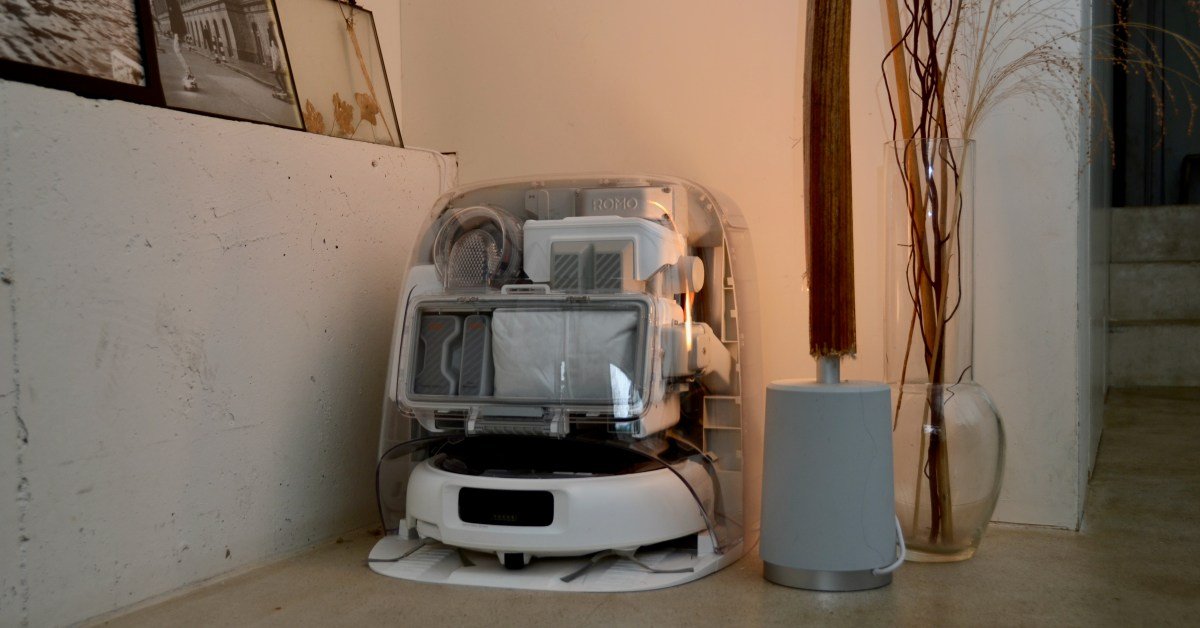
The transparent base station, which DJI proudly declares is “made to be displayed, not just stored,” is a marvel of engineering, though its aesthetic appeal might divide a five-person household. Functionally, it’s a monumental upgrade. Beyond simply charging the Romo, it automatically empties the robot’s dust bin, refills its water tank, cleans and dries its mopping pads, and even self-cleans to prevent odors and mold.
This level of automation significantly reduces manual maintenance, making daily cleaning almost entirely hands-off. However, this convenience comes with a caveat: the base station operates with a considerable amount of noise, and users still need to periodically replenish the fresh water tank and dispose of collected dirty water and debris.
The Elephant in the Room: A Breach of Trust
Despite its stellar performance and innovative design, a critical flaw casts a long, unsettling shadow over the DJI Romo P: security. I am profoundly troubled by a recently exploited vulnerability that, as my colleague Sean Hollister witnessed firsthand, allowed unauthorized remote access, effectively turning this cleaning drone into a surveillance device capable of peering into owners’ homes.
DJI asserts that this specific vulnerability has been patched, and our testing suggests this is true. However, the incident highlights an egregious oversight by a company already under scrutiny from the US government regarding security and data privacy. The lingering concern that other vulnerabilities might yet be exploited on this cloud-connected camera and microphone on wheels is a significant deterrent.
It’s a sobering thought: living with a robot you can’t fully trust. This fundamental breach of privacy, even if the immediate vulnerability is addressed, fundamentally undermines the appeal of a device designed to simplify home life.
Verdict: Innovation Marred by Intrusion
The DJI Romo P is, without a doubt, a technological marvel in home cleaning. Its ability to keep floors spotless, its advanced navigation, and its nearly autonomous operation are genuinely impressive. The transparent design, while polarizing, speaks to a bold engineering philosophy.
However, the staggering price tag of over $2,000, coupled with the profound and lingering security concerns, makes it incredibly difficult to recommend. While the convenience is undeniable, the potential for privacy intrusion transforms this innovative cleaner into a device that demands a level of trust DJI has, unfortunately, compromised. Until such fundamental security issues are unequivocally resolved, the DJI Romo P remains a brilliant piece of engineering that ultimately falls short where it matters most: the sanctity and security of your home.
For more details, visit our website.
Source: Link