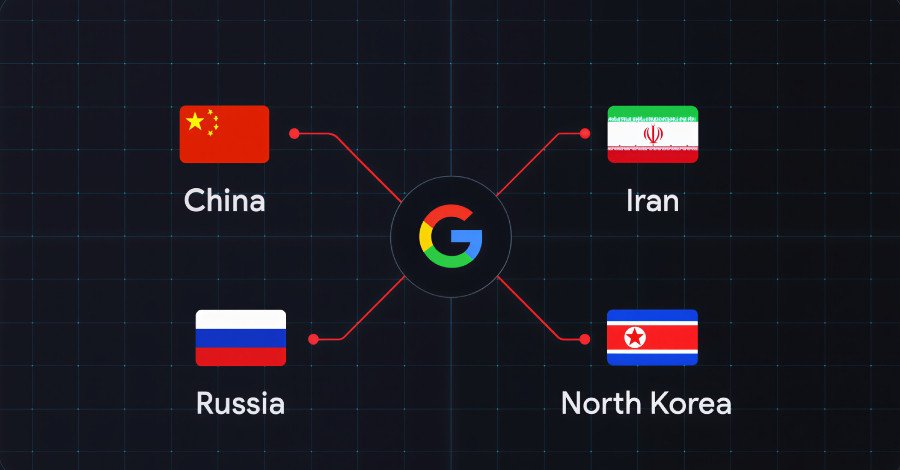

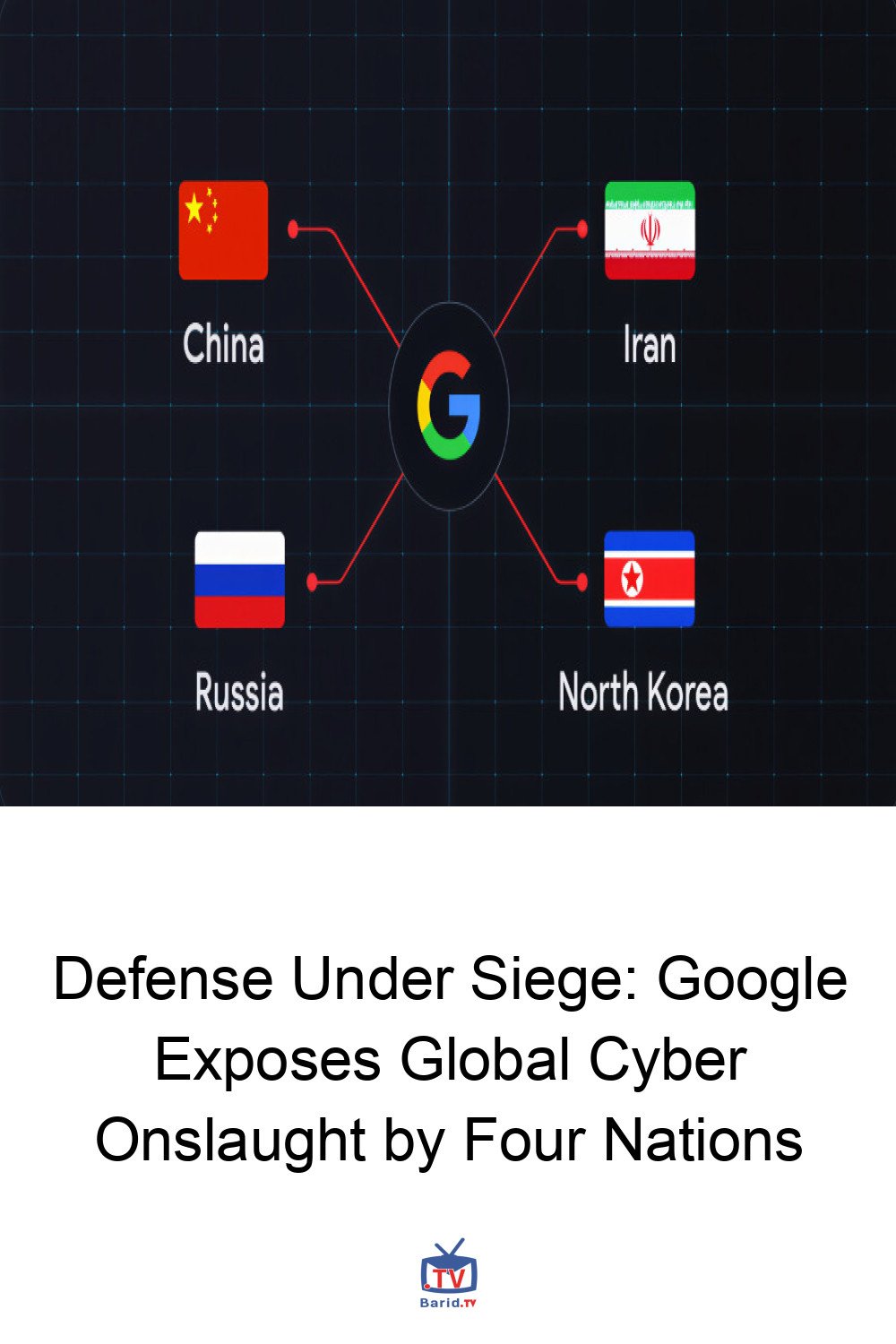
In a stark warning echoing across the global cybersecurity landscape, Google’s Threat Intelligence Group (GTIG) has unveiled a comprehensive report detailing a coordinated and relentless campaign of cyber operations targeting the defense industrial base (DIB). The tech giant points fingers at state-sponsored actors, hacktivist entities, and criminal groups linked to China, Iran, North Korea, and Russia, highlighting a sophisticated and multi-faceted assault on a sector critical to national security worldwide.
The New Cyber Frontline: Key Targeting Themes
GTIG’s analysis reveals a primary focus on defense entities deploying technologies crucial to modern warfare, particularly those involved in the ongoing Russia-Ukraine conflict. The report emphasizes a significant interest in autonomous vehicles and drones, platforms increasingly pivotal in contemporary battlefields. This targeting aims to gain intelligence, disrupt operations, or potentially compromise critical systems directly impacting military capabilities.
Exploiting the Human Element: Employees and Hiring Processes
Beyond technological vulnerabilities, adversaries are increasingly leveraging social engineering. North Korean and Iranian actors, in particular, have been observed directly approaching employees and exploiting the hiring process. This tactic seeks to establish initial access or gather sensitive information by masquerading as legitimate opportunities, turning human trust into a significant security weak point.
Edge Devices: A Gateway for Chinese Cyber Espionage
Chinese-nexus groups have demonstrated a preference for exploiting edge devices and appliances as initial access pathways. These devices, often less rigorously secured than core network infrastructure, present convenient entry points for sophisticated espionage campaigns, allowing attackers to bypass traditional defenses and establish a foothold within target networks.
Supply Chain Vulnerabilities: A Broader Risk
The report also underscores the pervasive threat of supply chain risk, stemming from breaches within the manufacturing sector. Compromising a single component or software vendor can have cascading effects, potentially introducing vulnerabilities into numerous defense systems downstream. This highlights the interconnectedness of the DIB and the need for robust security across the entire supply chain.
A Rogues’ Gallery of State-Sponsored Threats
Google Threat Intelligence has identified a multitude of sophisticated threat actors actively participating in these campaigns, each employing distinct and evolving tactics.
Russian Aggression: From Battlefield Data to Android Malware
Russian state-sponsored groups are particularly active in the conflict zones. APT44 (Sandworm), for instance, has been observed attempting to exfiltrate data from encrypted messaging apps like Telegram and Signal, often after gaining physical access to devices during operations in Ukraine. Their use of a Windows batch script, WAVESIGN, to decrypt Signal desktop app data showcases a high level of technical proficiency.
TEMP.Vermin (UAC-0020)
employs malware such as VERMONSTER, SPECTRUM, and FIRMACHAGENT, often delivered through lure content related to drone production, anti-drone systems, and video surveillance.
UNC5125 (FlyingYeti/UAC-0149) has focused on frontline drone units, using Google Forms for reconnaissance and distributing Android malware like MESSYFORK (COOKBOX) to UAV operators. They also leveraged GREYBATTLE, a bespoke Hydra banking trojan variant, via spoofed Ukrainian military AI websites to steal credentials.
Other notable Russian clusters include UNC5792 (UAC-0195) and UNC4221 (UAC-0185), both exploiting secure messaging apps and Signal’s device linking feature to hijack accounts and deploy Android malware like STALECOOKIE, which mimics Ukraine’s DELTA battlefield management platform. UNC4221 also uses ClickFix to deliver TINYWHALE and MeshAgent.
Further Russian espionage clusters, UNC5976 and UNC6096, have engaged in phishing campaigns with malicious RDP files mimicking Ukrainian telecom companies and WhatsApp-based malware delivery using DELTA themes, respectively. The latter has been linked to GALLGRAB Android malware, designed to collect sensitive battlefield data. Even off-the-shelf malware like CraxsRAT has been weaponized by UNC5114, disguised as updates for Ukraine’s Kropyva combat control system.
North Korea’s Persistent Pursuit: Espionage and Deception
North Korean groups continue their relentless pursuit of defense-related intelligence. APT45 (Andariel) has targeted South Korean defense, semiconductor, and automotive manufacturing with SmallTiger malware. APT43 (Kimsuky) has been observed using infrastructure mimicking German and U.S. defense entities to deploy the THINWAVE backdoor.
Perhaps most famously, UNC2970 (Lazarus Group) continues its ‘Operation Dream Job’ campaigns, targeting aerospace, defense, and energy sectors. They are also noted for their use of artificial intelligence (AI) tools to conduct sophisticated reconnaissance on their targets, indicating a growing sophistication in their methods.
Iran’s Expanding Reach: Middle East and Beyond
Iranian-nexus groups are also a significant threat. UNC1549 (Nimbus Manticore) has actively targeted aerospace, aviation, and defense industries across the Middle East, deploying malware families such as MINIBIKE, TWOSTROKE, DEEPROOT, and CRASHPAD. This group, much like Lazarus, orchestrates ‘Dream Job’ campaigns to trick unsuspecting individuals into executing malware or divulging credentials, highlighting a common social engineering vector across state-sponsored operations.
A Call for Heightened Vigilance
The findings from Google Threat Intelligence paint a sobering picture of a highly active and sophisticated cyber threat landscape. With major global powers actively engaging in espionage and disruptive operations against the defense industrial base, the imperative for robust cybersecurity defenses, continuous threat intelligence sharing, and employee awareness has never been greater. As warfare evolves, so too do the digital battlefields, demanding constant adaptation and vigilance from those tasked with protecting critical national assets.
For more details, visit our website.
Source: Link