
Morocco’s AFCON 2025 Triumph: A Masterclass in Economic Leverage
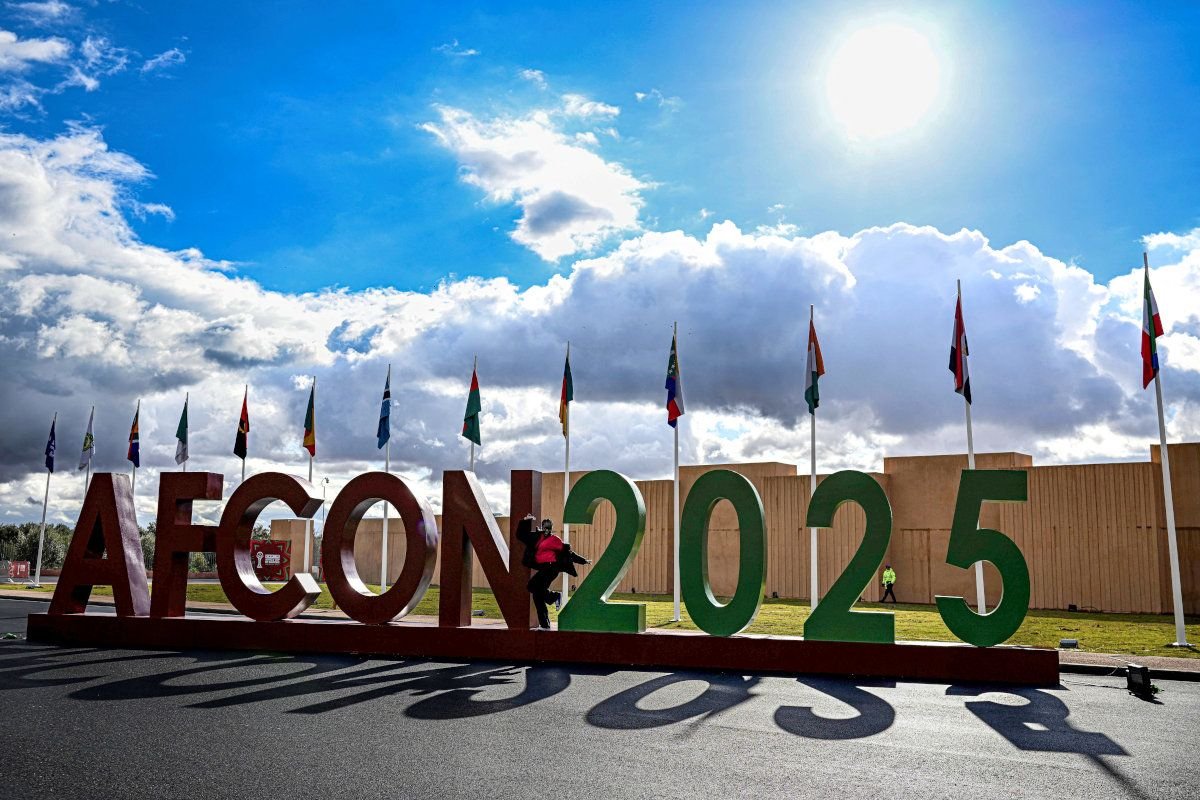
Morocco’s strategic vision to harness major sporting events for national development and international tourism appeal bore spectacular fruit during the Africa Cup of Nations (AFCON) 2025. The tournament, hosted from December 21, 2025, to January 18, 2026, transformed the North African kingdom into a vibrant economic hub, witnessing an unprecedented surge in visitor spending and laying robust foundations for future growth.
Unprecedented Surge in Visitor Spending
New data from payment giant Visa reveals a staggering 190% jump in cross-border transactions from participating countries during AFCON 2025 compared to the previous year. This remarkable growth was largely propelled by visitors from Côte d’Ivoire, Senegal, and the Democratic Republic of Congo, who collectively accounted for over 60% of the spending increase. Beyond the participating nations, visitors from France, the United States, and the United Kingdom contributed significantly, making up nearly half of the total spending upswing across all markets.
The analysis also highlighted distinct visitor behaviors: short-stay visitors (1-4 days) from participating countries boosted their expenditure by 120%, while long-stay visitors (5 days or more) demonstrated an even more impressive 210% increase in spending. This indicates a deep engagement and extended stay for many international guests.
Host Cities and Local Economy Thrive
The economic ripple effect was felt across all six host cities, each recording substantial increases in visitor spending. Rabat led the charge with a 70% rise, closely followed by Tangier at 55%, and Casablanca at 50%. This widespread impact underscores the tournament’s ability to distribute economic benefits geographically.
“These spending trends reveal positive and widespread momentum across key categories, from international transactions and short stays to sports-related purchases and domestic spending,” commented Sami Romdhane, General Director of Visa Morocco. Nicolas Khoury, Senior Vice President and Head of Visa Consulting & Analytics for the CEMEA region, emphasized the value of such data for tailoring future solutions: “These analyses allow issuers and merchants to design more targeted solutions, campaigns, and offers that meet real customer needs.”
Beyond direct tourism, the tournament significantly stimulated local consumption. Food delivery and grocery spending saw a robust 55% increase during the competition period, reflecting heightened domestic activity and demand.
Tourism Boom and Global Visibility
Tourism Minister Fatim-Zahra Ammor lauded the tournament for providing “exceptional international visibility” for Morocco. She noted a pronounced 60% growth in December from participating countries’ markets, with visitors extending their stays and bolstering hospitality, dining, transport, and handicraft sectors. This aligns with Morocco’s ambitious tourism goals, having welcomed nearly 20 million tourists in 2025—a 14% year-on-year increase—and setting its sights on 26 million visitors by 2030.
A Legacy of Infrastructure and Job Creation
The economic impact of AFCON 2025 extended far beyond immediate tourism receipts. Industry Minister Ryad Mezzour revealed that the tournament generated over €1.5 billion in direct revenue and attracted nearly 600,000 foreign visitors specifically for the event. Morocco’s substantial €2.3 billion investment in tournament infrastructure was described as a “sovereign investment” in permanent facilities, designed to serve citizens for decades.
This investment was not just about stadiums; it fueled a massive job creation engine, generating more than 100,000 jobs. Over 3,000 Moroccan industrial companies were engaged in the extensive construction projects, showcasing the kingdom’s industrial capabilities and fostering local economic participation.
Crucially, AFCON 2025 served as a vital preparatory stage for the upcoming 2030 World Cup, with 80% of the required infrastructure now complete. Minister Mezzour proudly stated that Morocco achieved “a decade of development in just 24 months,” creating facilities that will benefit the nation for the next fifty years.
Record-Breaking Digital and Commercial Success
The Confederation of African Football (CAF) also reported unprecedented success for the tournament. AFCON 2025 achieved record-breaking digital engagement with 6.1 billion digital impressions and 5.2 billion video views across social media platforms. Commercially, CAF’s revenues surged by over 90% compared to the 2023 edition, totaling $192.6 million with net profits of $113.8 million, underscoring the tournament’s immense global appeal and financial viability.
Morocco’s Future: A Blueprint for Sporting Diplomacy and Economic Prosperity
AFCON 2025 stands as a testament to Morocco’s strategic foresight and execution. By successfully hosting a major international sporting event, the kingdom not only captivated global audiences and boosted its tourism sector but also catalyzed significant economic growth, infrastructure development, and job creation. This triumph provides a compelling blueprint for Morocco’s continued ascent on the global stage, especially as it gears up to co-host the 2030 FIFA World Cup, promising an even greater era of prosperity and international recognition.
For more details, visit our website.
Source: Link