
The 2026 Milano Cortina Winter Olympics are proving to be a pivotal moment for LGBTQ+ representation in elite sports. While a record number of openly queer athletes are competing, their increased visibility is met with both fervent support and alarming backlash, underscoring the complex journey towards full inclusion.
A Platform for Pride, A Target for Hate
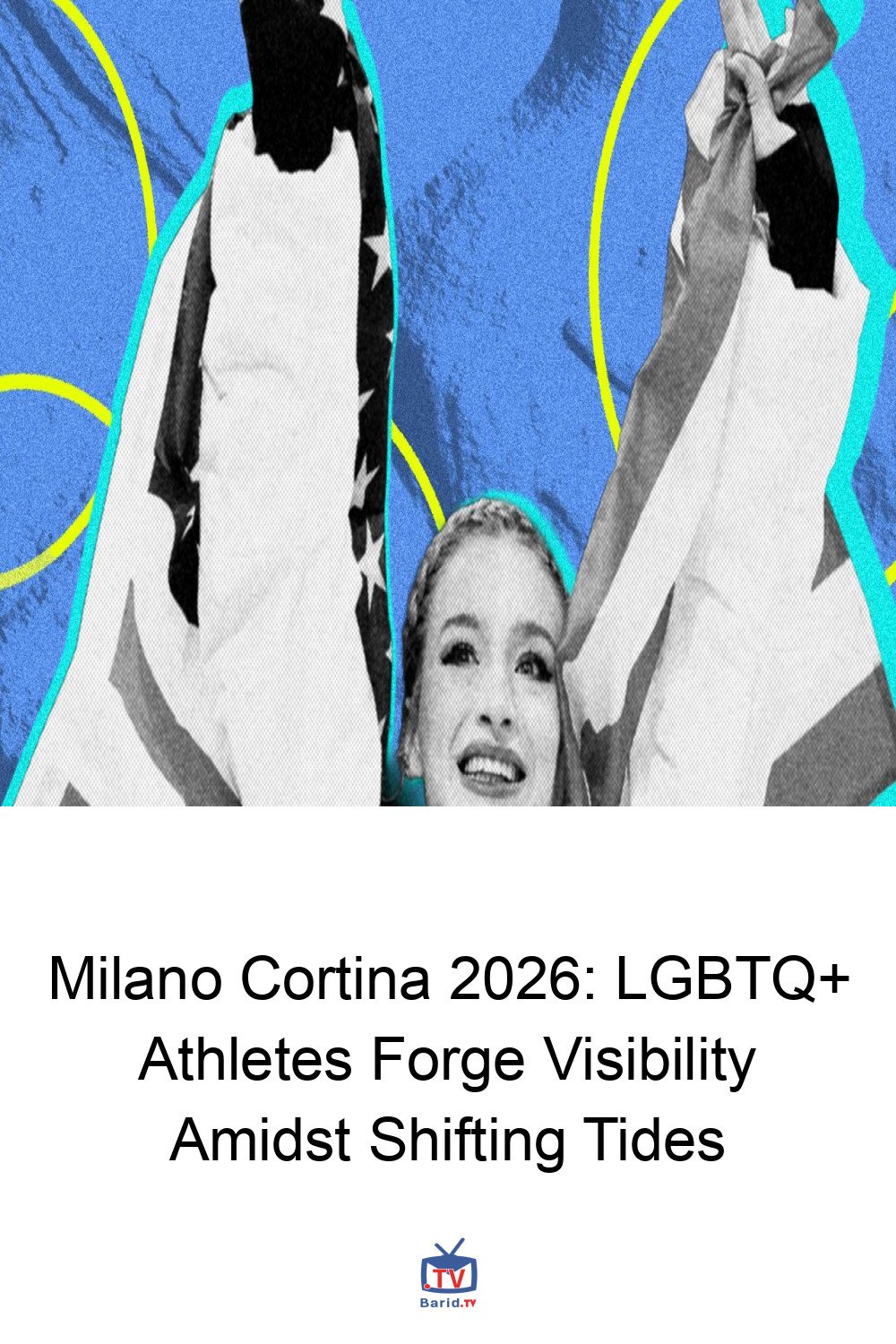
US figure skater Amber Glenn, a prominent voice at the Games, bravely used her Olympic platform to champion LGBTQ+ rights. “It isn’t the first time we’ve had to come together as a community,” she declared at a press conference, expressing her hope to inspire strength through her voice. Her subsequent gold medal win as part of the US figure skating team was a triumph, yet it was overshadowed by a “scary amount of hate/threats” she received online. Glenn’s experience, as she told NPR, revealed a disturbing reality: “I’ve never had so many people wish me harm before, just for being me and speaking out about being decent.” This stark contrast highlights the precarious position of queer athletes, celebrated for their prowess yet vulnerable to prejudice.
Record Visibility Amidst Shifting Tides
The 2026 Games boast nearly 50 openly LGBTQ+ athletes, a significant leap from previous years when individual coming-out stories dominated headlines. This growing presence signals a positive shift towards greater authenticity and acceptance within the sporting world. However, this progress unfolds against a backdrop of intense debate surrounding transgender athletes’ participation.
The Transgender Athlete Debate: A Global Conversation
The ability of transgender individuals to compete in sports remains a fiercely contested issue. Recent policy shifts in the US, including a presidential executive order and subsequent bans by the US Olympic and Paralympic Committee and USA Hockey, reflect a tightening stance on trans women’s participation in women’s sports. Mark Adams, a spokesperson for IOC president Kirsty Coventry, affirmed the committee’s focus on “protecting women’s categories,” signaling a continued global discussion.
Amidst this contentious environment, Swedish skier Elis Lundholm made history as the first openly trans athlete to compete in the Winter Games. Competing in the women’s category, Lundholm, who was assigned female at birth and identifies as male, remained focused on his sport rather than the historic nature of his debut. UK skier Tess Johnson lauded Lundholm’s participation as “awesome,” emphasizing the shared spirit of competition: “we’re here to ski, we’re here to have fun, and that’s exactly what we do.”
Beyond the Arena: Culture, Community, and Safety
The increased interest in LGBTQ+ athletes extends beyond the competitive arena, fueled by cultural phenomena like “Heated Rivalry,” a popular Canadian show about closeted hockey players now reaching new audiences in Italy via HBO Max. On the ground in Milan and Cortina d’Ampezzo, the quest for acceptance finds a vital hub in Pride House.
Pride House: A Beacon of Belonging
First established at the 2010 Vancouver Games, Pride House serves as a crucial safe space for queer athletes and fans from around the globe. Located at Milan’s MEET Digital Culture Center, it offers a welcoming environment for watching competitions, engaging in discussions, and participating in cultural events. Alice Redaelli, president of CIG Arcigay Milano, emphasizes its significance: “Pride House was born as a safe place especially for athletes who come from countries where it is not easy to be out.” She highlights the ongoing struggle for LGBTQIA+ people in sports, where “concepts such as gender and machismo dominate.” The presence of Pride House in Milan stands in stark contrast to past Games, such as Sochi in 2014, where repressive policies prevented its establishment.
Navigating Digital Spaces: Grindr’s Precautionary Measures
Ensuring the safety and privacy of LGBTQ+ athletes extends to digital realms. Ahead of the Games, the queer hookup app Grindr restricted geolocation services within the Olympic Village, a measure previously implemented in Beijing (2022) and Paris (2024). This proactive step safeguards athletes from being inadvertently outed, acknowledging the immense global scrutiny they face. As AJ Balance, Grindr’s head of product, noted, “For gay athletes, especially those who aren’t out or who come from countries where being gay is dangerous or illegal, that visibility creates real safety risks.”
Visibility, Validation, and the Path Forward
As the Milano Cortina Winter Olympics unfold, the experience of LGBTQ+ athletes is a powerful narrative of both vindication and vulnerability. Their presence elevates Milan into “an even richer city,” as Redaelli suggests, fostering a more inclusive global dialogue. Yet, the challenges of safety, security, and ongoing debates surrounding inclusion remain paramount, underscoring that while progress is undeniable, the journey towards universal acceptance in sports is far from over.
For more details, visit our website.
Source: Link