
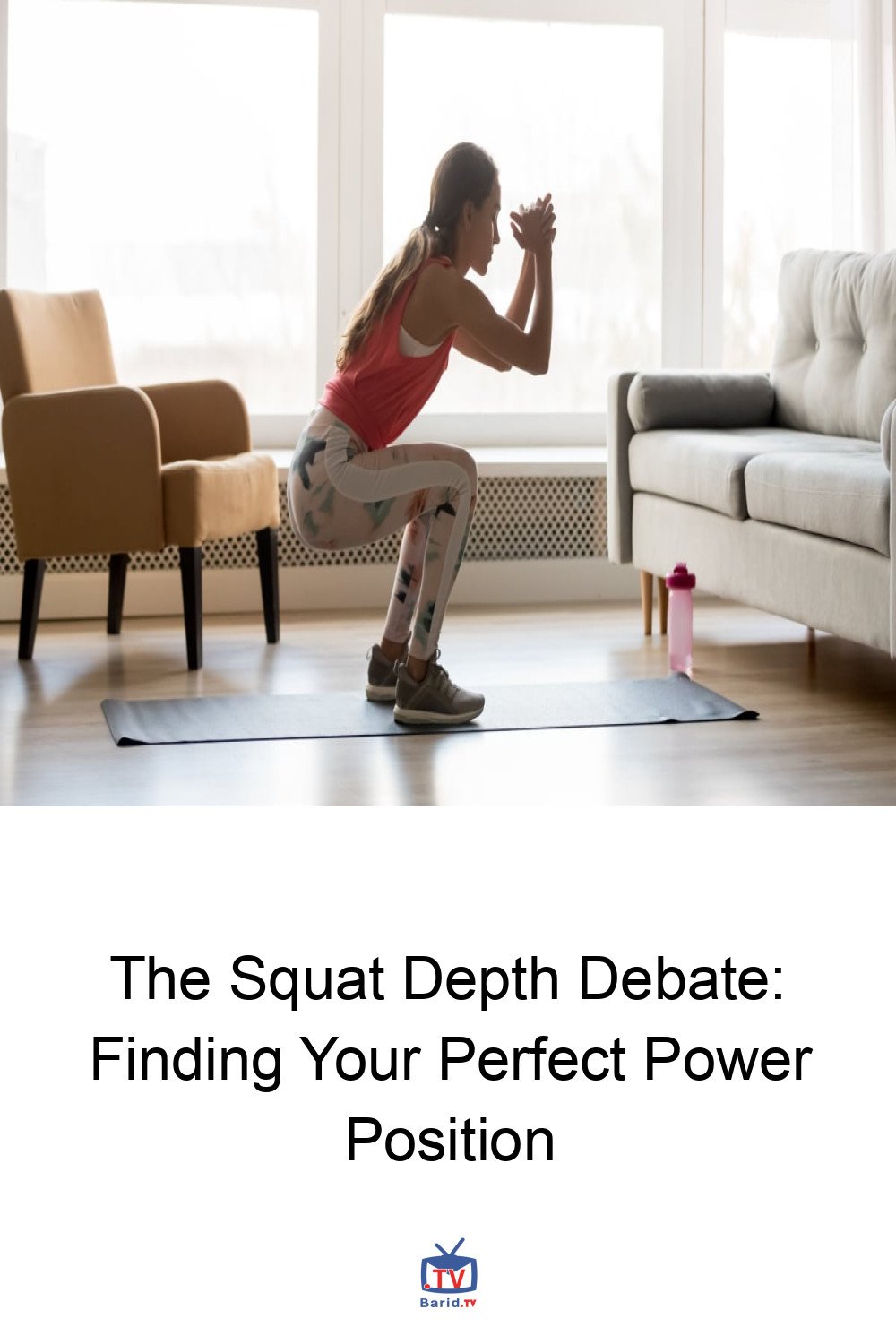
The Squat Depth Debate: Finding Your Perfect Power Position
The squat. A fundamental movement, a cornerstone of strength, and a perpetual source of debate in the fitness world. From high-bar to low-bar, front squats to back squats, the variations are as diverse as the opinions on which is ‘best.’ But perhaps no aspect sparks more heated discussion than squat depth. Is “ass-to-grass” the only true squat? Or is parallel sufficient? As an expert English journalist, I’m here to cut through the noise and provide a professional, engaging guide to understanding squat depth and how to find what truly works for
you.
Understanding Squat Depth: More Than Just Going Low
When coaches, trainers, or even enthusiastic gym-goers talk about squat “depth,” they’re referring to how far your hips descend during the movement. Some athletes, blessed with incredible mobility and strength, can drop their hips so low that their thighs touch their calves — a feat often dubbed an “ass-to-grass” (ATG) squat. This maximal depth is impressive, but it’s not the only valid form.
Conversely, if your knees bend only slightly before your form breaks down, you might be told you’re squatting “high” or not “to depth.” While constructive feedback from a qualified professional is invaluable for improvement, remember that you don’t owe any random internet critic or gym busybody a specific squat depth. Your training, your body, your rules.
The Gold Standard: Squatting to Parallel
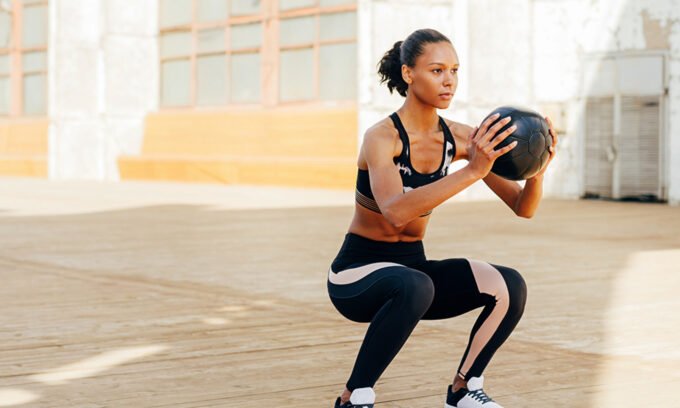
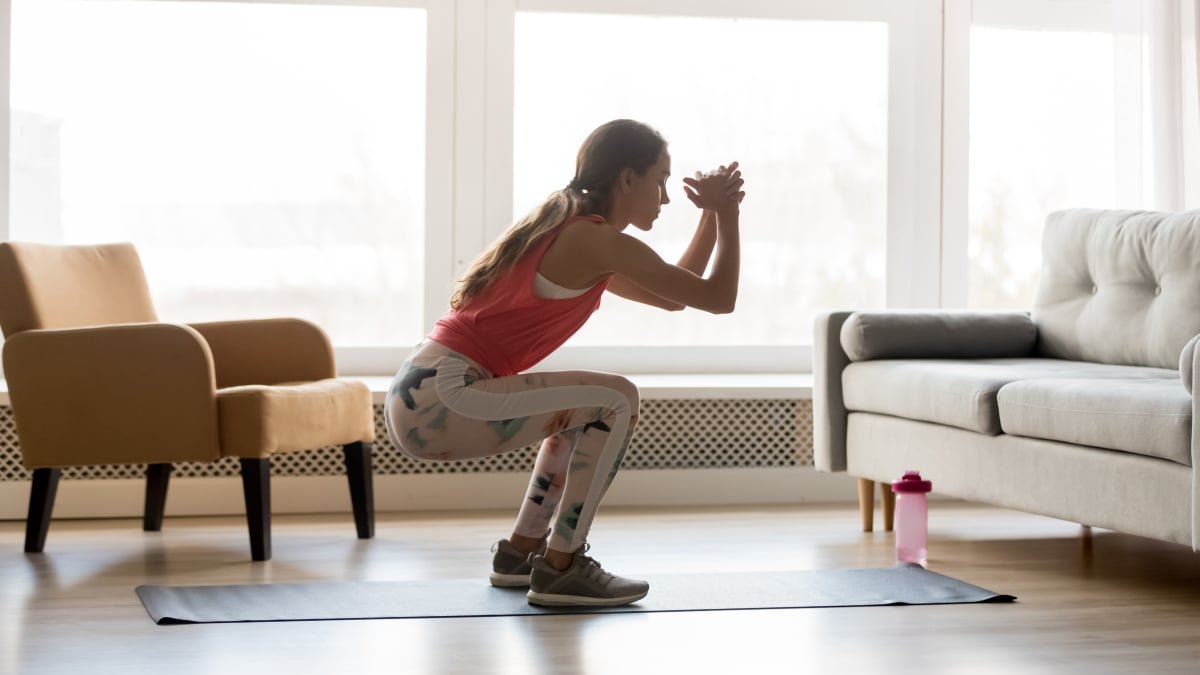
For the vast majority of individuals, and indeed for consistency in training and competition, squatting “to parallel” is considered the optimal depth. This means your thighs reach a position where they are roughly parallel to the floor, or, to put it another way, your hip crease is level with or slightly below the top of your kneecap.
Why parallel? It’s a convenient and easily verifiable benchmark. Trainers can spot it, competition judges (especially in powerlifting, where the hip joint must descend lower than the top of the kneecap) can assess it, and you can consistently replicate it in your own training. Consistency is key: a 225-pound parallel squat is a different beast entirely from a 315-pound half-squat. To accurately track progress, you must maintain consistent depth.
Benefits of Parallel Squats:
- Enhanced Muscle Engagement: A greater range of motion compared to higher squats means better activation of your glutes, quads, and hamstrings.
- Achievable for Most: With dedicated training and mobility work, a parallel squat is a realistic and attainable goal for nearly everyone.
- Optimal Strength-to-Range Ratio: Many find they can lift significant weight while maintaining good form at parallel depth, striking an excellent balance between load and range.
- Improved Stability: Maintaining stable foot positioning is generally easier at parallel depth than in deeper squats, especially for those with developing ankle or hip mobility.
Reliable Progress Tracking:
A consistent depth provides an honest benchmark for measuring your strength gains over time.
When to Go Deeper: Beyond Parallel
While parallel is often the recommended baseline, there are compelling reasons to explore depths beyond it. Squatting “below parallel” is not only permissible in powerlifting (there’s no penalty for going too low!) but can also offer distinct advantages.
Some individuals find that going “ass-to-grass” is simply more comfortable for their body mechanics, allowing their hamstrings to gently ‘bounce’ off their calves at the bottom, which can even help them lift more weight. This deeper range of motion can further enhance muscle activation, particularly in the glutes and adductors, and significantly improve hip and ankle mobility over time. For Olympic weightlifters, an ATG squat is essential for catching the bar in the snatch and clean & jerk.
However, deep squats require excellent mobility, control, and body awareness. If your form deteriorates, your back rounds, or your knees cave in, you might be sacrificing safety for depth. Always prioritize controlled, precise movement.
Measuring Your Squat Depth Accurately
Don’t rely on the gym mirror! Your eye level isn’t suitable for accurate depth assessment. Instead, employ these reliable methods:
- Video
Analysis:
Set up your phone or camera to record yourself from the side, with the lens at or below hip level. This provides an objective view of your depth. - Ask a Spotter: A trusted friend or coach can give you immediate feedback on whether you’re hitting parallel or your desired depth.
- Box Squats: Use a bench or box of appropriate height. Tap your glutes on it with each rep to ensure consistent depth.
The Takeaway: Your Squat, Your Goals
Ultimately, the “best” squat depth is the one that aligns with your individual goals, body mechanics, and current mobility. For most, parallel is a fantastic, effective, and safe target. For those seeking maximum mobility, specific athletic demands, or simply finding greater comfort, going deeper can be highly beneficial. Focus on consistent, controlled movement, listen to your body, and don’t be afraid to experiment to find your perfect power position.
For more details, visit our website.
Source: Link