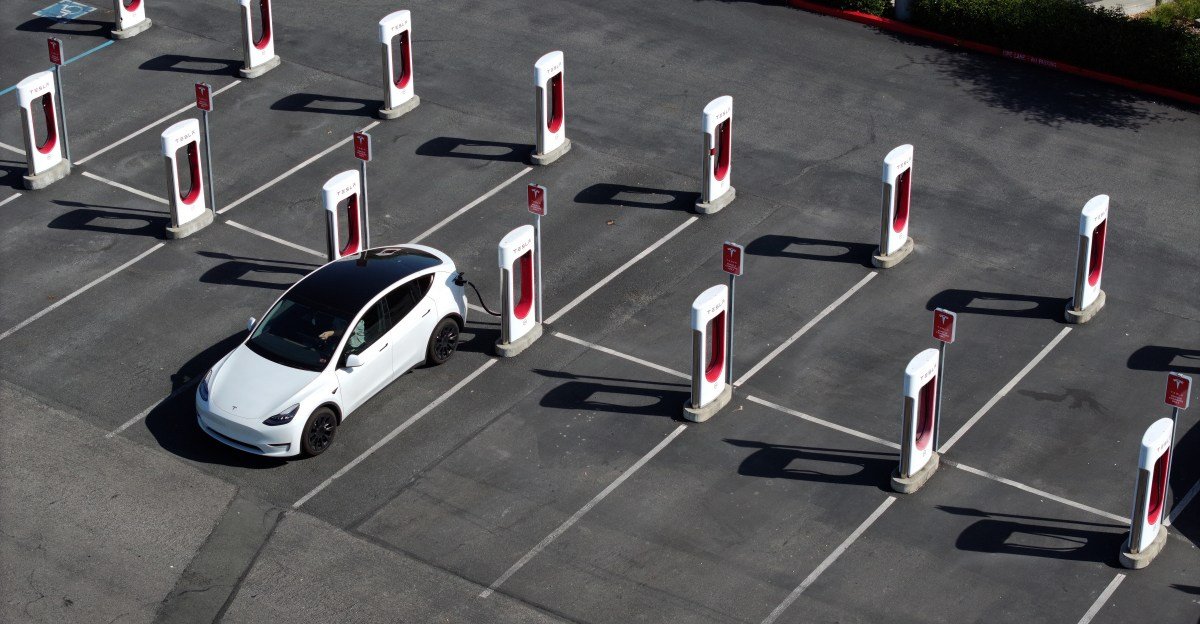

In a move poised to significantly impede the expansion of electric vehicle (EV) charging infrastructure across the United States, the Trump administration has introduced stringent new ‘Buy American’ requirements. This policy shift, announced by the US Department of Transportation, mandates that EV chargers must not only be assembled domestically but also comprise 100 percent US-made components to qualify for federal funding under the National Electric Vehicle Infrastructure (NEVI) program.
A Policy Designed to Stall?
This latest directive follows earlier attempts by the administration to freeze $5 billion in NEVI funding, a program established by the Bipartisan Infrastructure Law. After a federal judge intervened to unfreeze these funds, the administration appears to have adopted a new strategy to achieve the same outcome: a de facto moratorium on EV charging build-out. Industry experts and environmental advocates are united in their concern that these new requirements are unrealistic and will effectively halt progress.
Industry Voices Raise Alarm
Albert Gore, executive director of the Zero Emissions Transportation Association, voiced the industry’s apprehension, stating, “This proposal does not meet industry where it is today and may discourage further investment in the production of U.S.-made EV chargers. Ultimately, this will hinder the job growth that Buy America is intended to create.” The core issue lies in the global nature of the EV charging supply chain, which is heavily reliant on components sourced from China, a result of years of substantial government subsidies and investment in the region.
The Global Supply Chain Reality
Currently, no EV charging station available in the US can claim 100 percent domestic material and component origin. Ingrid Malmgren, policy director at Plug In America, highlights that while significant portions like the enclosure, cables, and final assembly are often US-based, critical power modules and advanced electronics are typically sourced internationally. This global dependency makes the 100 percent domestic content requirement an immediate impossibility for manufacturers.
Impact on Infrastructure and EV Adoption
The timing of this proposal is particularly critical. A robust, reliable, and widespread charging infrastructure is paramount for sustaining and accelerating EV sales in the US. Katherine Garcia, director of the Sierra Club’s Transportation for All, condemned the move as “yet another bad-faith attempt to kill NEVI and block the buildout of essential infrastructure Congress funded for all Americans.” She warned that it would “stall EV charging deployment, push the United States further behind, and deny communities access to clean, affordable transportation options.”
An Unrealistic Timeline
While EV advocates generally support incremental increases in domestic manufacturing for charging equipment, they deem the immediate 100 percent compliance mandate as “out of touch with U.S. manufacturing capacity,” according to Malmgren. Critics suggest that if the administration were genuinely committed to fostering domestic EV charging manufacturing, it would propose a more realistic timeline, offering incentives for companies to establish production facilities within the US rather than imposing prohibitive restrictions.
Political Motivations Under Scrutiny
Many observers believe the true intent behind this policy is to impede the NEVI program altogether. The Trump administration has consistently pursued policies that favor increased pollution and restrict initiatives promoting cleaner energy alternatives, including EVs. This proposal, coming just as states like Georgia were beginning to receive their allocated NEVI funds—with Georgia alone expecting $134 million for new charging stalls—effectively re-freezes the program at a crucial juncture.
The new ‘Buy American’ rule, therefore, is seen not merely as an economic protectionist measure but as a strategic maneuver with profound implications for the future of electric mobility and environmental policy in the United States.
For more details, visit our website.
Source: Link