
In the rapidly evolving landscape of artificial intelligence, certain benchmarks emerge as quirky yet profoundly insightful indicators of progress. Among them, the “Will Smith eating spaghetti” test has become the unofficial ‘Hello World’ of generative AI video, a viral phenomenon charting the astonishing leaps in synthetic media creation.
From Pixelated Plate to Cinematic Dialogue
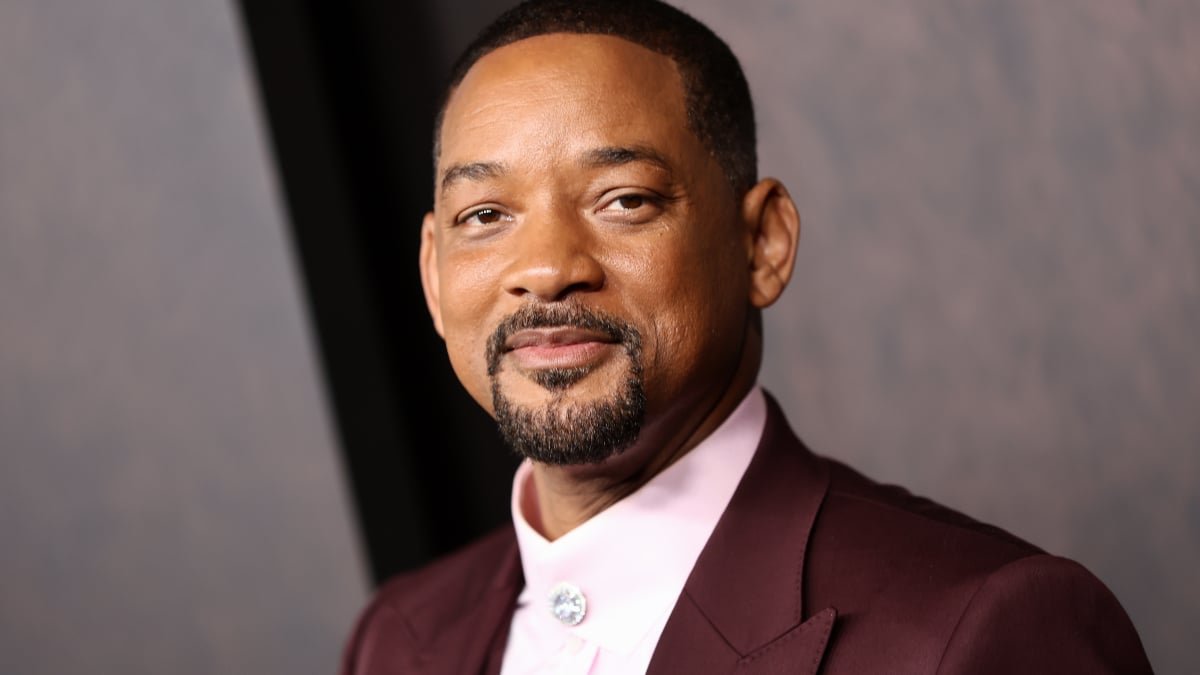
Just three years ago, in 2023, the initial attempts at rendering Will Smith consuming pasta were, to put it mildly, a digital nightmare. Crafted with early tools like ModelScope, these videos showcased a pixelated, often monstrously inconsistent depiction of the beloved actor, struggling to maintain facial coherence from one frame to the next. Yet, this crude beginning sparked a global meme, captivating audiences and even prompting Smith himself to playfully acknowledge — and later, ironically, utilize — generative AI for his own TikTok content.
Fast forward to what is presented as a glimpse of the near future, exemplified by a recent demonstration from a Reddit user on the r/OpenAI subreddit. This latest iteration, powered by the Kling 3.0 video generator from Chinese tech giant Kuaishou Technology, represents a monumental leap. Here, Will Smith isn’t merely slurping spaghetti; he’s engaged in a natural, flowing conversation with a younger man across the dinner table. The scene, while still bearing subtle hallmarks of AI generation, possesses a cinematic quality that was unimaginable just a short while ago. The video itself, subtly positioned as an advertisement for Kling AI’s capabilities, undeniably showcases the breathtaking speed at which generative video technology has matured. In AI terms, three years is an eternity.
The Copyright Conundrum: Guardrails and the End of an Era?
However, as AI video generation inches closer to photorealism, it confronts significant ethical and legal hurdles. Major players in the generative AI space, including OpenAI’s Sora and Google Gemini’s Veo 3.1, are now implementing stringent guardrails. These measures are designed to prevent the unauthorized use of third-party likenesses and copyrighted material, a direct response to Hollywood’s escalating efforts to protect its intellectual property from AI models trained on proprietary content.
The impact of these new restrictions is already evident. Attempts by outlets like Mashable to replicate the iconic “Will Smith eating spaghetti” test using advanced platforms like Sora and Veo 3.1 were met with immediate denials on copyright grounds. This shift suggests a potential turning point: as more AI developers, particularly those based in the U.S., prioritize legal compliance and ethical use, the “spaghetti test” — once a playful benchmark for progress — may be nearing its end. The era of freely generating celebrity likenesses, even for demonstrative purposes, appears to be drawing to a close, ushering in a new phase where innovation must navigate a complex web of legal and ethical considerations.
The journey from a glitchy, pixelated mess to a convincing digital conversation highlights not just the incredible pace of AI development, but also the critical challenges that lie ahead for the industry. The future of generative video is bright, but it will undoubtedly be shaped by the imperative to balance creative potential with responsible deployment.
For more details, visit our website.
Source: Link