

The AI Revolution: A Crossroads Beyond Language
In an era dominated by the dazzling capabilities of large language models (LLMs) and the ubiquitous presence of chatbots, a growing chorus of leading AI researchers is sounding a provocative note: the true future of artificial intelligence has little to do with these conversational marvels. Instead, they argue, the path to genuinely intelligent machines lies in developing ‘world models’ – systems capable of understanding and interacting with the physical world.
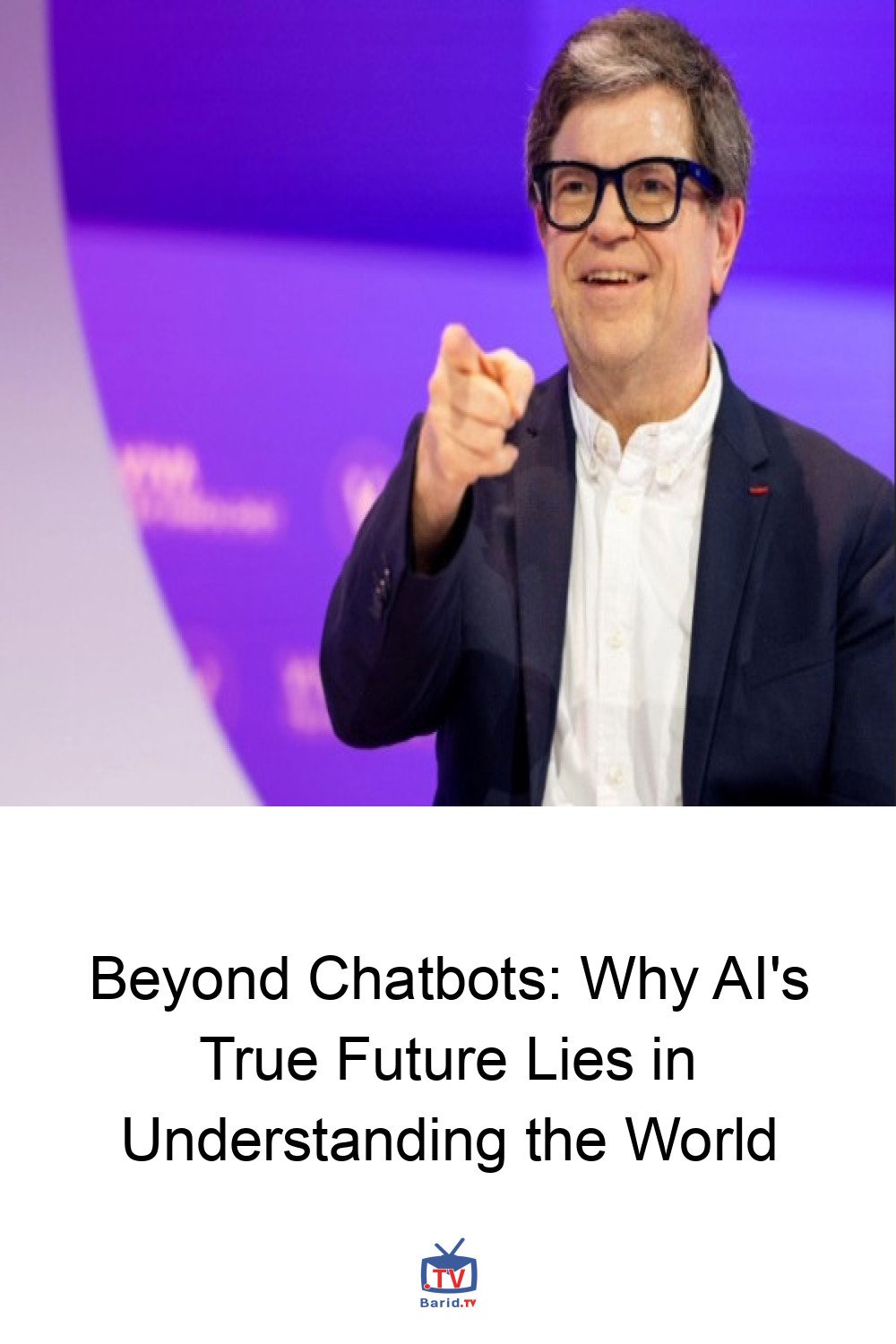
At the forefront of this paradigm shift is Yann LeCun, a Turing Award winner and one of the architects behind the very technology powering ChatGPT. After a decade as Meta’s chief AI scientist, LeCun recently embarked on a new venture, Advanced Machine Intelligence Labs, with a clear declaration: “Real intelligence does not start in language. It starts in the world.” This bold move underscores a profound skepticism about the industry’s current fixation on LLMs, which he believes has created a kind of tunnel vision, obscuring the path to deeper, more robust AI.
The Illusion of Understanding: Why Chatbots Fall Short
For years, LeCun has articulated a fundamental flaw in today’s AI systems: they don’t truly understand. Large language models, despite their impressive feats in generating poetry, debugging code, or passing complex exams, are fundamentally sophisticated pattern-matching machines. They excel at predicting the next word in a sequence but lack any internal representation of how reality operates.
This limitation manifests in striking ways. Consider a video generation AI asked to depict someone placing a coffee cup down and picking it up later. The cup might inexplicably change color, shift position, or even vanish entirely. This isn’t a minor glitch; it’s a symptom of a deeper cognitive deficit: the absence of object permanence, a skill most human toddlers master by their first birthday.
LeCun contends that this isn’t merely an engineering hurdle to be overcome with more data or larger models. Current systems cannot plan ahead because they lack an intrinsic grasp of cause and effect in the physical world. They have consumed vast amounts of text but have experienced nothing – never touched, navigated, or dealt with the tangible consequences of actions.
World Models: A New Blueprint for Intelligence
What LeCun and his peers propose is a radical departure: AI systems built upon internal, predictive models of how the world truly functions. Imagine the human ability to visualize reaching for a coffee mug, anticipating its warmth and weight, and planning the precise arm movements required. Today’s AI can eloquently describe coffee; it cannot, however, pour you a cup. This foundational understanding of physical interaction is the intelligence these researchers aim to embed in machines.
A Growing Momentum and Serious Investment
This alternative vision is attracting significant talent and capital. Fei-Fei Li, often hailed as the “godmother” of AI, has founded World Labs, which recently launched Marble, a product that generates explorable 3D environments from text prompts. Google DeepMind is advancing Genie 3, a system creating photorealistic virtual worlds where AI agents learn through trial and error. Nvidia’s Jensen Huang champions world models as the cornerstone of “physical AI” for robots and autonomous vehicles. Even Elon Musk’s xAI has entered the fray, recruiting Nvidia talent to develop world models for video games.
Despite this burgeoning enthusiasm, world models largely remain a strategic side bet. The lion’s share of AI investment continues to flow into language model companies like OpenAI, Anthropic, and Google, who are pouring tens of billions into scaling the very approach LeCun argues is destined for a dead end.
The Road Ahead: Challenges and Historical Precedent
The concept of world models is not new, dating back decades, and it faces its own set of formidable challenges. Building accurate, comprehensive simulations is immensely expensive, and it remains uncertain whether virtual training environments can ever fully capture the unpredictable complexities of real-world physics. Furthermore, there’s no guarantee that skills honed in simulation will seamlessly transfer to the physical realm.
However, Yann LeCun has a track record of championing unfashionable ideas that ultimately reshape the technological landscape. In the 1980s, he was a vocal advocate for neural networks when much of the field had dismissed them. If his current conviction about world models proves correct, the industry’s current giants, including Meta, may well find themselves acquiring the very technology they initially overlooked.
For more details, visit our website.
Source: Link