

Most Successful Marketing Funnels for Small Business Owners: A Complete Guide
As a small business owner, creating an effective marketing funnel is crucial to driving sales, increasing revenue, and building a loyal customer base. A well-designed marketing funnel can help you attract, engage, and convert potential customers into paying customers, ultimately leading to business growth and success.
Understanding Marketing Funnels
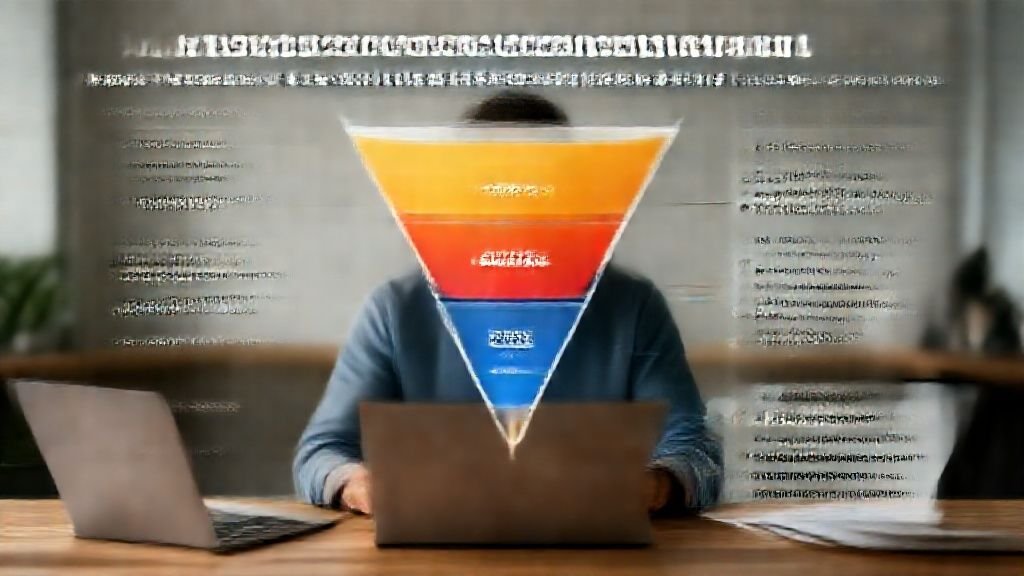
A marketing funnel is a series of steps that a potential customer goes through from the initial awareness stage to the final purchase stage. It’s a visual representation of the customer journey, illustrating the various stages and touchpoints that a customer interacts with before making a purchase.
- Awareness Stage:
The customer becomes aware of your business and product or service.
- Interest Stage: The customer shows interest in your product or service and begins to research.
- Desire Stage: The customer develops a desire for your product or service.
- Action Stage: The customer takes action and makes a purchase.
Most Successful Marketing Funnels for Small Business Owners
1. Lead Magnet Funnel
A lead magnet funnel is a simple and effective way to capture email addresses and build a list of potential customers. Offer a free resource, such as an eBook or webinar, in exchange for their contact information. Once you have their email address, you can nurture them with follow-up emails and content to move them through the sales funnel.
2. Sales Funnel
A sales funnel is a traditional marketing funnel that involves a series of steps to move a potential customer from awareness to purchase. The sales funnel typically includes:
- Awareness stage: Social media ads, content marketing, or paid advertising
- Interest stage: Landing pages, email marketing, or retargeting ads
- Desire stage: Product demos, free trials, or special offers
- Action stage: Checkout process, payment, and delivery
3. Tripwire Funnel
A tripwire funnel is a low-cost, high-converting funnel that offers a low-priced product or service to new customers. The goal is to get the customer to take action and make a purchase, with the intention of upselling or cross-selling them a more expensive product or service later.
4. Webinar Funnel
A webinar funnel is a great way to educate and engage potential customers. Host a webinar on a topic related to your product or service, and offer a free resource or special offer to attendees. This can help build trust and credibility with your audience, making them more likely to purchase from you.
5. Retargeting Funnel
A retargeting funnel is a great way to target customers who have abandoned their shopping cart or visited your website but didn’t make a purchase. Use retargeting ads to remind them of your product or service, and offer incentives to complete the purchase.
Conclusion
A well-designed marketing funnel can help small business owners drive sales, increase revenue, and build a loyal customer base. By understanding the different types of marketing funnels and creating a funnel that resonates with your target audience, you can attract, engage, and convert potential customers into paying customers.