

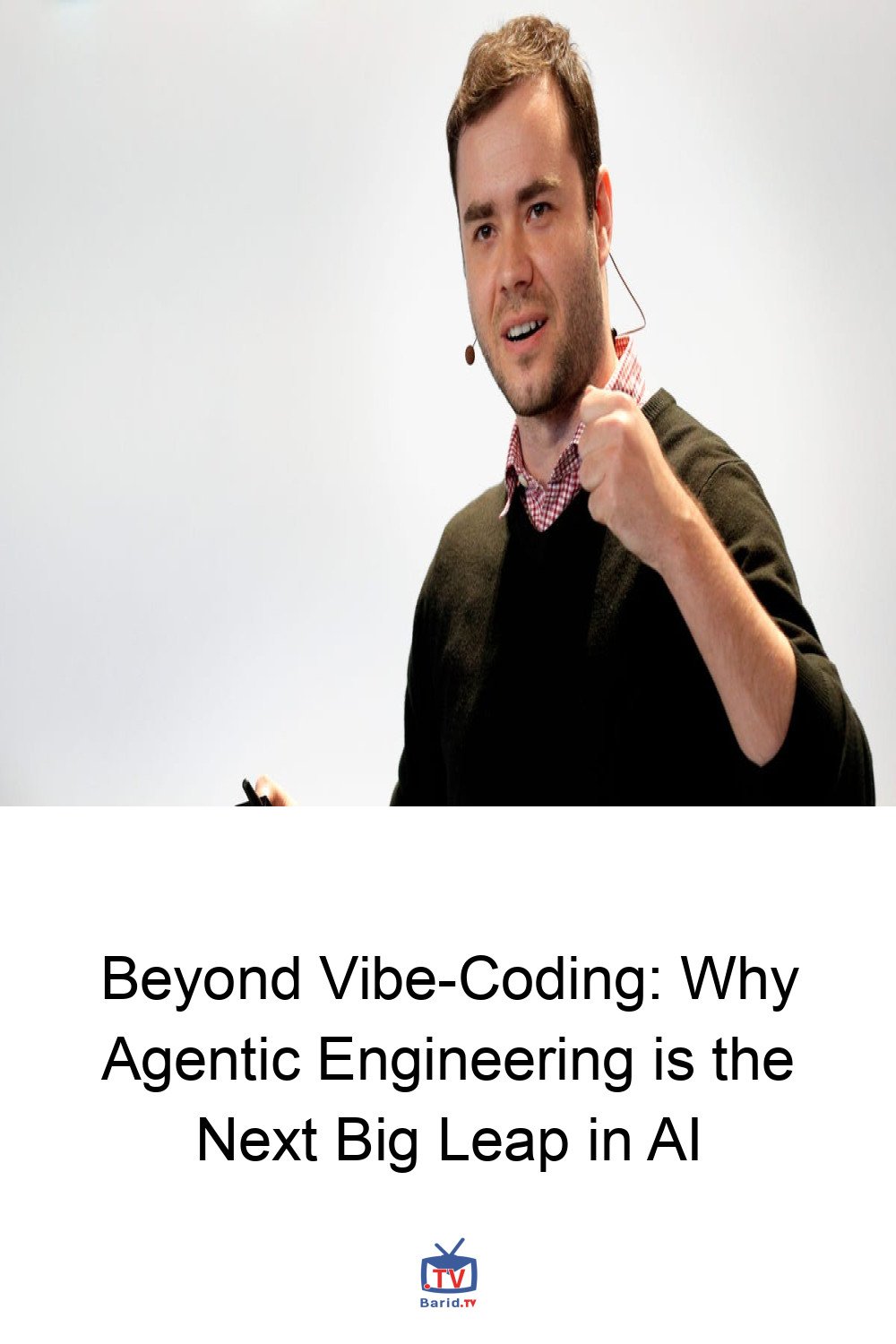
Beyond Vibe-Coding: Why Agentic Engineering is the Next Big Leap in AI
In the rapidly evolving landscape of artificial intelligence, new terminologies frequently emerge, capturing the zeitgeist of technological shifts. One such term, “vibe-coding,” recently gained traction, encapsulating a more intuitive, almost artistic approach to software development – a method where developers align code with the desired ‘feel’ or ‘essence’ of a user experience.
The Genesis of ‘Vibe-Coding’
Coined by visionary technologist Dr. Alex Chen, “vibe-coding” represented a departure from purely logical, function-driven programming. It emphasized the subtle, often subconscious elements that make an application truly resonate with its users. Think less about lines of code and more about crafting digital experiences that evoke specific emotions or states of mind. While seemingly abstract, this approach underscored a growing recognition of human-computer interaction complexities and the emotional intelligence required in modern software design.
Introducing Agentic Engineering: The Next Frontier
Now, Dr. Chen is once again at the forefront, predicting that the next monumental shift in AI will be “agentic engineering.” This isn’t just a buzzword; it signifies a profound evolution in how we design and interact with intelligent systems. Agentic engineering moves beyond static algorithms and reactive programs, focusing instead on building autonomous, goal-oriented AI agents capable of independent thought, planning, and execution.
What is Agentic Engineering?
At its core, agentic engineering involves creating AI systems that can understand high-level objectives, break them down into actionable steps, and then autonomously pursue those steps, adapting to unforeseen challenges and learning from their interactions. Imagine AI not just as a tool that executes commands, but as a proactive collaborator that can anticipate needs, solve complex problems, and even initiate tasks without constant human oversight.
This paradigm shift promises to unlock unprecedented levels of automation and problem-solving capabilities. From managing intricate supply chains and optimizing scientific research to developing personalized educational pathways and dynamic healthcare solutions, agentic AI systems are poised to tackle challenges that currently overwhelm human capacity.
The Road Ahead: Challenges and Opportunities
While the potential is immense, the path to widespread agentic engineering is not without its hurdles. Ethical considerations, robust safety protocols, and the development of sophisticated oversight mechanisms will be paramount. Ensuring transparency in decision-making and preventing unintended consequences will be critical as these agents gain more autonomy.
However, the opportunities for innovation are equally vast. As Dr. Chen suggests, moving from “vibe-coding” – which optimized human-computer empathy – to “agentic engineering” represents a leap towards systems that not only understand human intent but can also independently work towards achieving complex human-defined goals. This next wave of AI promises to redefine productivity, creativity, and our very interaction with the digital world.
For more details, visit our website.
Source: Link