
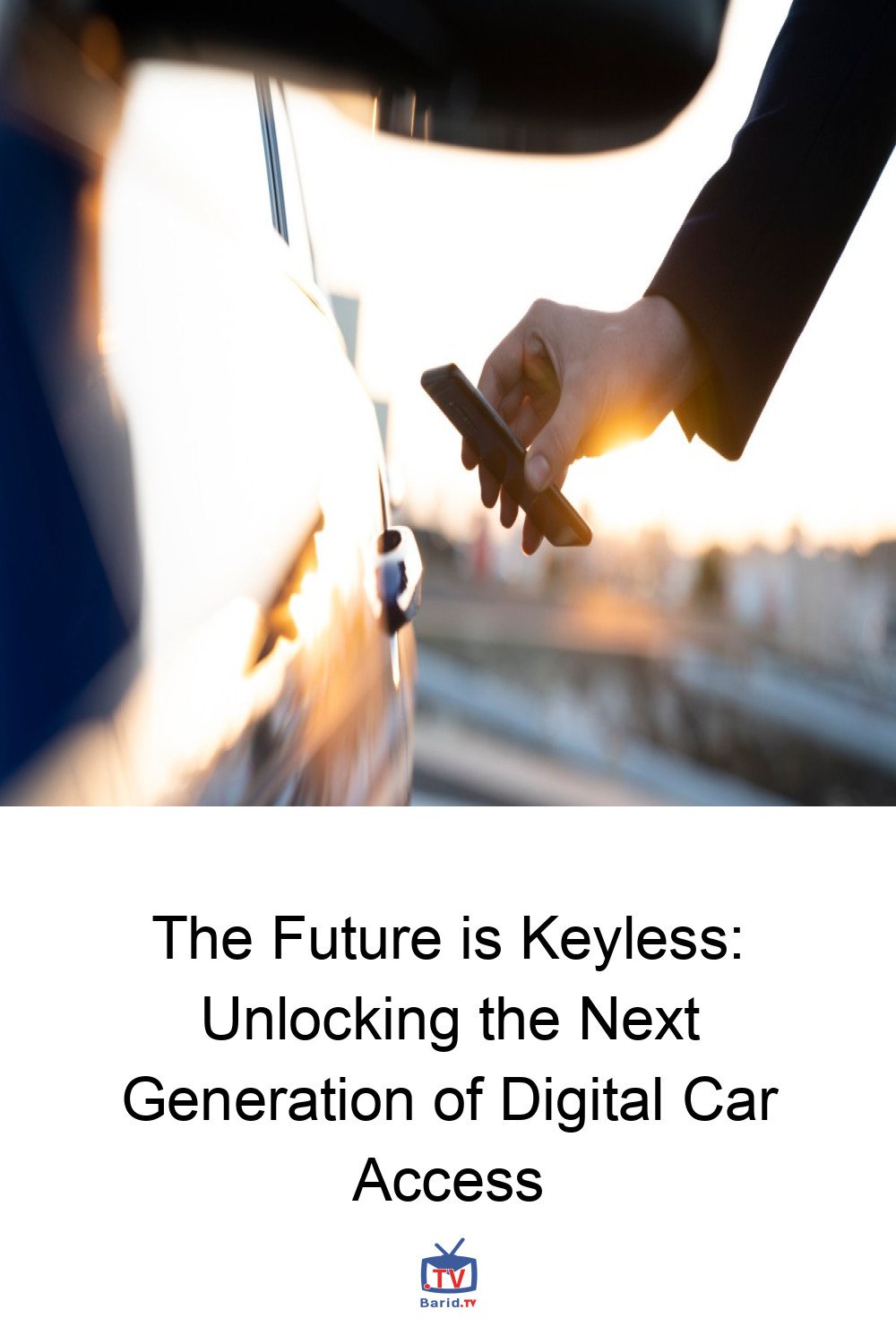
Remember the days of fumbling for physical car keys, or worse, having to physically hand them over to a friend or family member? Those days are rapidly becoming a relic of the past. The automotive world is undergoing a profound transformation, with digital car keys emerging as a cornerstone of modern vehicle ownership. Far from a mere convenience, these sophisticated digital solutions are evolving to offer unprecedented flexibility, security, and connectivity, fundamentally reshaping how we interact with our vehicles.
The Collaborative Drive Towards Seamless Connectivity
At the heart of this revolution is the Car Connectivity Consortium (CCC), a global cross-industry organization dedicated to advancing digital key technology. Recently, over a dozen automotive and smartphone giants converged in Palo Alto, California, for the 16th annual “Plugfest.” Hosted by the CCC, this pivotal event served as a crucial testing ground for the latest advancements in digital key specifications.
Plugfest is more than just a gathering; it’s a testament to industry cooperation. Automakers, smart device manufacturers, cloud providers, and chip makers—often fierce competitors—come together to rigorously test interoperability and real-world performance across a diverse ecosystem of vehicles, devices, and wireless technologies. This collaborative spirit is essential, ensuring that digital keys function flawlessly regardless of brand or platform, a critical step as cars become increasingly complex, software-defined machines capable of over-the-air updates.
Navigating the Labyrinth of Digital Integration
The journey to seamless digital car access is not without its hurdles. “It’s a hard technology problem when you’re trying to resolve wireless access with such fragmented set of device hardware and then device software,” explains Wassym Bensaid, Chief Software Officer at Rivian, who co-hosted this year’s Plugfest through RV Tech, a joint venture with Volkswagen. Bensaid highlights that achieving robust phone-to-car connectivity demands deep integration across vehicle software, cloud systems, and a highly fragmented device ecosystem encompassing various iOS and Android iterations, each with unique wireless characteristics.
This complexity underscores the vital role of industry standards like those set by the CCC. They act as a unifying force, aligning disparate technologies and ensuring a consistent, reliable user experience across the board.
The Smartphone’s Central Role in Automotive Access
A significant portion of the power in this evolving landscape rests with smartphone manufacturers. They play a critical role in ensuring that every auto brand adheres to stringent standards concerning data security and privacy. Apple, for instance, announced at a recent WWDC that its Wallet app would soon support digital car keys from 13 additional vehicle brands, bringing the total to 33. These keys leverage technologies like NFC, UWB, or BLE, allowing users to lock, unlock, and start their vehicles directly from their phones.
The CCC’s efforts in bringing together major players like Apple, Samsung, Xiaomi, and the FiRa Consortium (supporting ultra-wideband technology) are accelerating adoption. CCC President Alysia Johnson notes a dramatic surge in certifications for their Digital Key Certification Program, from just two in 2024 to an impressive 115 in 2025, signaling rapid industry uptake.
Version 4: Unlocking Unprecedented Sharing and Flexibility
This year marks a significant leap forward with the rollout of CCC’s version 4 specification. This update introduces enhanced support for fleet owners, such as municipal governments and rental car companies, streamlining management and access. More exciting for the everyday user is the vastly improved “friend sharing” feature. This allows vehicle owners to securely and effortlessly grant temporary access to others, irrespective of their phone’s make or model.
Imagine your neighbor’s car breaking down. With version 4, you can simply text them a secure, temporary copy of your car key, much like sharing a photo. “They don’t need to have an app for my vehicle. They don’t need to have my same kind of phone,” Johnson clarifies. Once they’re done, revoking access is just as simple, offering unparalleled convenience and control.
The Road Ahead: Promises and Persistent Pitfalls
While the advancements are undeniable, digital keys are not without their challenges. Online forums and subreddits for brands like Kia, BYD, Rivian, and Volvo are replete with user complaints about connectivity issues and reliability. “I’ll be standing there with the app open and it won’t recognize I’m there,” lamented one Tesla Model 3 owner. As with any software-dependent system, glitches and inconsistencies remain a persistent problem that the industry must continuously address.
Despite these growing pains, the trajectory for digital car keys is clear: towards greater sophistication, seamless integration, and enhanced user experience. As technology continues to evolve and industry standards mature, the physical car key may soon become a quaint reminder of a bygone era, replaced by the power and convenience of our smart devices.
For more details, visit our website.
Source: Link