As the crucial midterm elections loom, the Republican Party finds itself increasingly on edge. The bedrock issues that propelled President Donald Trump to victory in 2020—immigration and the economy—are now showing signs of erosion, threatening to unravel their electoral prospects. Adding to this mounting anxiety is the highly anticipated Super Bowl halftime show, poised to amplify the nation’s deep political and cultural fissures.
The Shifting Sands of Immigration Policy
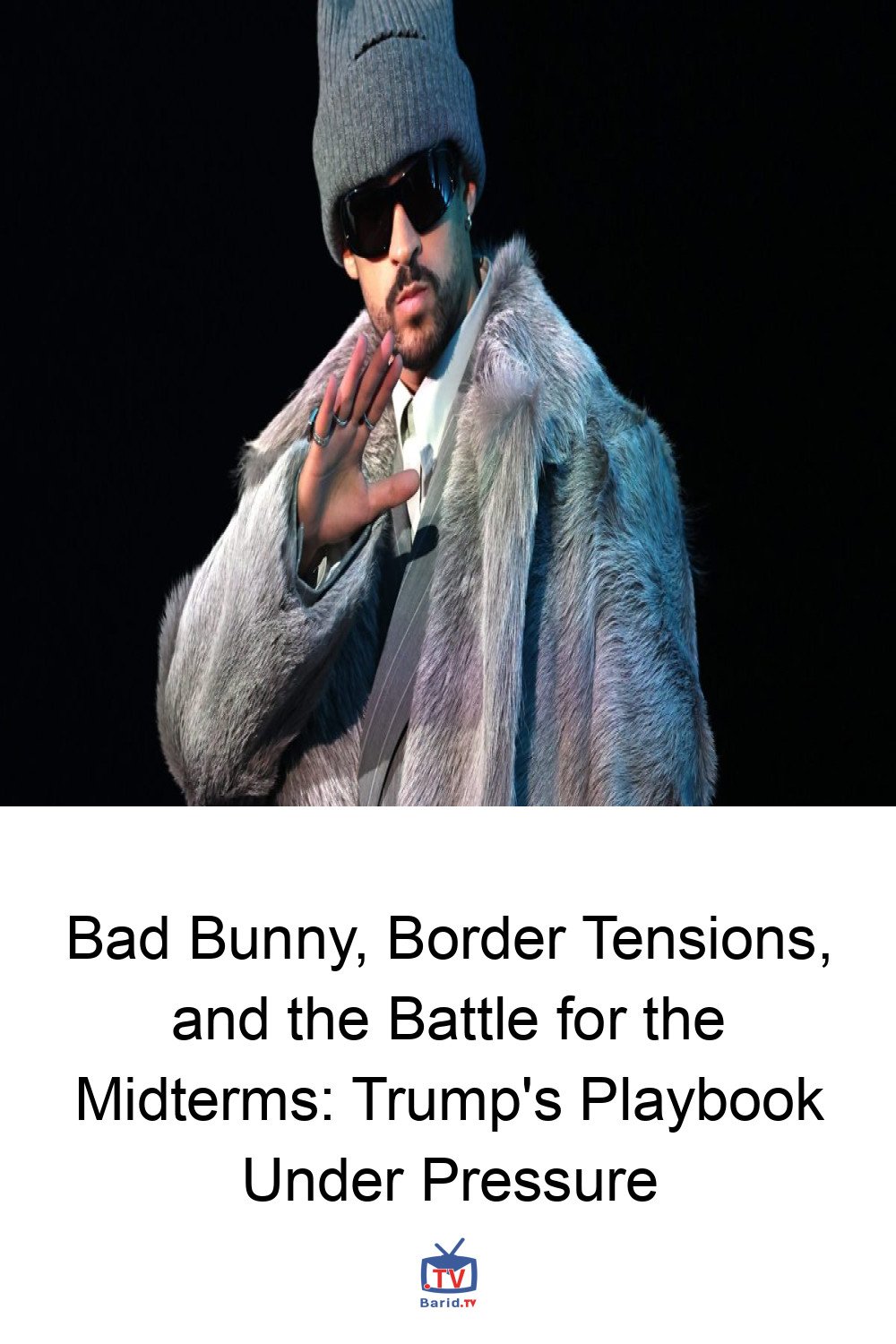
The performance by Puerto Rican global music sensation Bad Bunny, a vocal critic of the Trump administration’s immigration policies, is set to command one of the world’s largest stages. His presence is expected to starkly highlight the contentious crackdown that has recently seen masked federal agents on city streets, child detentions, and tragic fatalities in Minneapolis, sparking nationwide protests.
While President Trump’s border and immigration policies enjoyed significant public support for much of the past year, recent events have dramatically altered the landscape. A Quinnipiac poll from February 4th revealed a sharp six-point drop in approval for immigration enforcement over just two weeks, with only 34% of voters now endorsing officials’ methods. This decline follows weeks of intense media coverage depicting aggressive tactics by federal agents, leading to a palpable shift in public sentiment.
Compounding the political pressure, Republicans are currently locked in negotiations with Democrats over a critical spending bill for the Department of Homeland Security. With a looming deadline, failure to reach a deal risks a shutdown of the very department at the heart of the administration’s immigration enforcement efforts.
Republican Dissent Emerges
Even within Republican ranks, a growing chorus of dissent is emerging. Several prominent figures, typically aligned with the administration, are now voicing concerns that the immigration raids have gone too far. “We should’ve focused on criminals and gang members, not grandmothers. That was a mistake,” stated Florida Republican Rep. Carlos Gimenez, a former Miami-Dade county mayor, on Fox News this week. Such public criticism underscores the internal divisions sparked by the administration’s hardline stance.
Electoral Repercussions: The Latino Vote in Focus
Despite the White House’s recent efforts to de-escalate tensions, including the withdrawal of 700 Immigration and Customs Enforcement (ICE) agents from Minnesota and an earlier drawdown in Maine, President Trump’s uncompromising approach risks alienating a crucial demographic: Latino voters. This bloc played a significant role in his 2020 election victory, and their potential disaffection poses a serious threat to Republican midterm hopes.
The electoral consequences of this shift were starkly illustrated last week in Texas, where a historically solid Republican state senate seat unexpectedly flipped blue. This remarkable 31-point swing towards the Democrats was largely attributed to the district’s energized Latino electorate. This follows a trend of Democratic overperformance in late 2020 elections, from the Virginia gubernatorial race to the Miami mayoral vote.
“A swing of this magnitude is not something that can be dismissed,” warned Florida’s Republican Governor Ron DeSantis in a social media post on February 1st, referencing the Texas results. “Republicans should be clear-eyed about the political environment heading into the midterms.”
Republican strategist Mike Madrid, an expert on Latino voters, echoed these sentiments, emphasizing that the president’s immigration and economic policies have actively pushed key voting blocs away. Madrid noted the Texas loss as particularly striking given Trump’s 2020 performance. “I’ve never seen that in three-and-a-half decades of work,” Madrid remarked. “The two strengths that he had in building a multiracial coalition have not only collapsed, but they have really cemented against him.”
Latino Concerns Deepen
While half of Latino voters supported Trump in 2020, a recent Pew Research Center poll paints a different picture. The survey found that 70% of Latinos now disapprove of the President, with 61% believing his policies have worsened economic conditions. Crucially, about two-thirds disagreed with his immigration approach, and over half reported that arrests or raids had occurred in their communities since he took office. Mark Lopez, director of race and ethnicity research at Pew, highlighted a significant shift: “In the past, it had always been the economy over immigration as an issue. But now, a growing share of Latinos say that they’re worried about deportations of somebody they know or even themselves. And so all things are pointing to immigration rising as an issue.”
The Cultural Front: Bad Bunny’s Stance and the Counter-Narrative
Bad Bunny, whose real name is Benito Antonio Martinez Ocasio, has been an outspoken advocate for immigrant rights. After Trump took office, the artist famously announced he would avoid the mainland U.S. on his world tour, citing concerns for his fans’ safety from ICE arrests at his shows. His powerful statement at the Grammy Awards on February 1st — “ICE out. We’re not savage, we’re not animals, we’re not aliens. We are humans and we are Americans” — resonated widely, underscoring the cultural battleground over immigration.
While the White House confirmed President Trump would not be watching the halftime show, millions worldwide are expected to tune in. In a contrasting move, critics of Bad Bunny’s Super Bowl appearance have organized an “All-American Halftime Show,” featuring Trump supporter Kid Rock and backed by Turning Point USA, attempting to present an alternative cultural narrative.
Navigating the Political Divide
In response to the escalating tensions, the White House has initiated several steps to de-escalate the situation in Minneapolis. This includes replacing controversial on-the-ground commander Greg Bovino with Tom Homan, the administration’s border czar, and a directive from Homeland Security Secretary Kristi Noem that all officers in Minneapolis will now wear body cameras. These measures reflect an acknowledgement of the public outcry and an attempt to mitigate further political damage.
As the midterms draw closer, the confluence of shifting public opinion on immigration, the potent cultural statements from figures like Bad Bunny, and the tangible electoral setbacks for Republicans suggest a challenging path ahead. The administration’s ability to recalibrate its approach and address these growing concerns will be pivotal in shaping the political landscape for the upcoming elections.
For more details, visit our website.
Source: Link