
In a world increasingly filled with smart devices, few offer the profound, everyday utility of a simple item tracker. For anyone who has ever experienced that heart-sinking moment of realizing their keys, wallet, or even a beloved pet’s collar is missing, Apple’s AirTag has been a beacon of hope. Now, with the introduction of the second-generation AirTag, Apple refines this essential gadget, delivering upgrades that transform it from merely useful to truly indispensable, particularly for those of us prone to misplacing our essentials.
As a long-time advocate for the humble item tracker – even controversially suggesting its superiority to the iPad in a past discussion – I’ve keenly awaited these enhancements. The new AirTag, while retaining its familiar form factor and accessible $29 price point, brings significant internal improvements that address key pain points for users.
The Evolution of Item Tracking: What’s New?
Enhanced Range and Connectivity
The most immediate and impactful upgrade in the second-gen AirTag lies in its connectivity. Featuring upgraded ultra-wideband (UWB) and Bluetooth chips, the new model boasts an extended range, approximately 1.5 times greater than its predecessor. In practical terms, this means faster, more reliable connections to your iPhone, regardless of distance. During testing, the speed at which the new AirTag connected and provided a signal for Precision Finding was noticeably superior, cutting down precious moments spent waiting.
Perhaps even more impressive is the improvement in vertical range. For users in multi-story homes, like my own four-story townhouse, the original AirTag often struggled beyond a single floor. The second-gen model, however, consistently maintained a quick connection and provided accurate Precision Finding even from the ground floor to the fourth, a significant leap forward in usability.
A Chime You Can’t Miss
One of the most frustrating aspects of the original AirTag was its often-too-subtle chime. Apple has addressed this directly with a redesigned speaker, resulting in a new, higher-pitched chime that is 50 percent louder. This isn’t just a minor tweak; it’s a game-changer. Whether an item is buried under blankets, wedged between couch cushions, or simply in a noisy environment, the louder chime dramatically increases the chances of quickly locating it. The days of straining to hear a faint ping are, thankfully, largely behind us.
Precision Finding on Your Wrist
For Apple Watch users, the second-gen AirTag introduces a highly anticipated feature: Precision Finding directly from your wrist. While not immediately intuitive to set up (requiring an addition to the Apple Watch control panel rather than the Find Items app), its utility is undeniable. For those who frequently leave their phone behind while moving around the house, the ability to locate a lost item using an Apple Watch (Series 9 or Ultra 2 required) is a profound convenience. My Apple Watch is always on me, making it the ultimate tool for finding not just my phone, but now, anything attached to an AirTag.
Real-World Impact: A Lifesaver for the Forgetful
For individuals like myself and my spouse, both of whom navigate the daily challenges of ADHD, and for households with mischievous pets who delight in batting items into inaccessible nooks, AirTags are more than just gadgets; they are essential tools for maintaining sanity. Our collection of seven AirTags, soon to expand, is testament to their value on key fobs, TV remotes, wallets, and even expensive winter jackets.
While the original AirTags offered a baseline of assistance, their limitations were often exposed in critical moments. The frustration of a weak Bluetooth connection or an inaudible chime during a frantic search in a car park is a memory many can relate to. The second-gen AirTag directly tackles these scenarios, transforming potential hour-long searches into swift recoveries.
Unchanged Design, Enduring Quirks
It’s important to note that not everything has changed. The second-gen AirTag retains the same disc-like shape, size, and overall design as its predecessor. This means some persistent quirks remain: its pudgy form factor can still be awkward for slim wallets (unless specifically designed for it), and the device remains susceptible to scuffs. My review unit, for instance, acquired its first scratch mere moments after being placed in its keyring. Furthermore, the design still presents a minor risk of the device coming apart if subjected to a vigorous impact, potentially exposing the battery – a concern for pet owners.
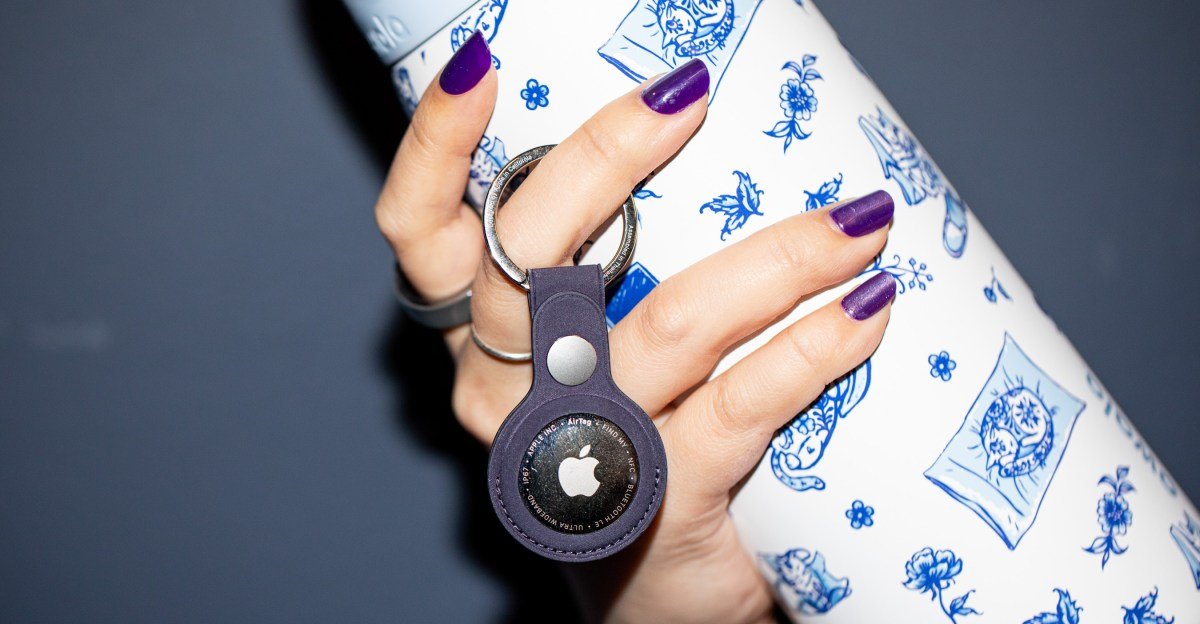
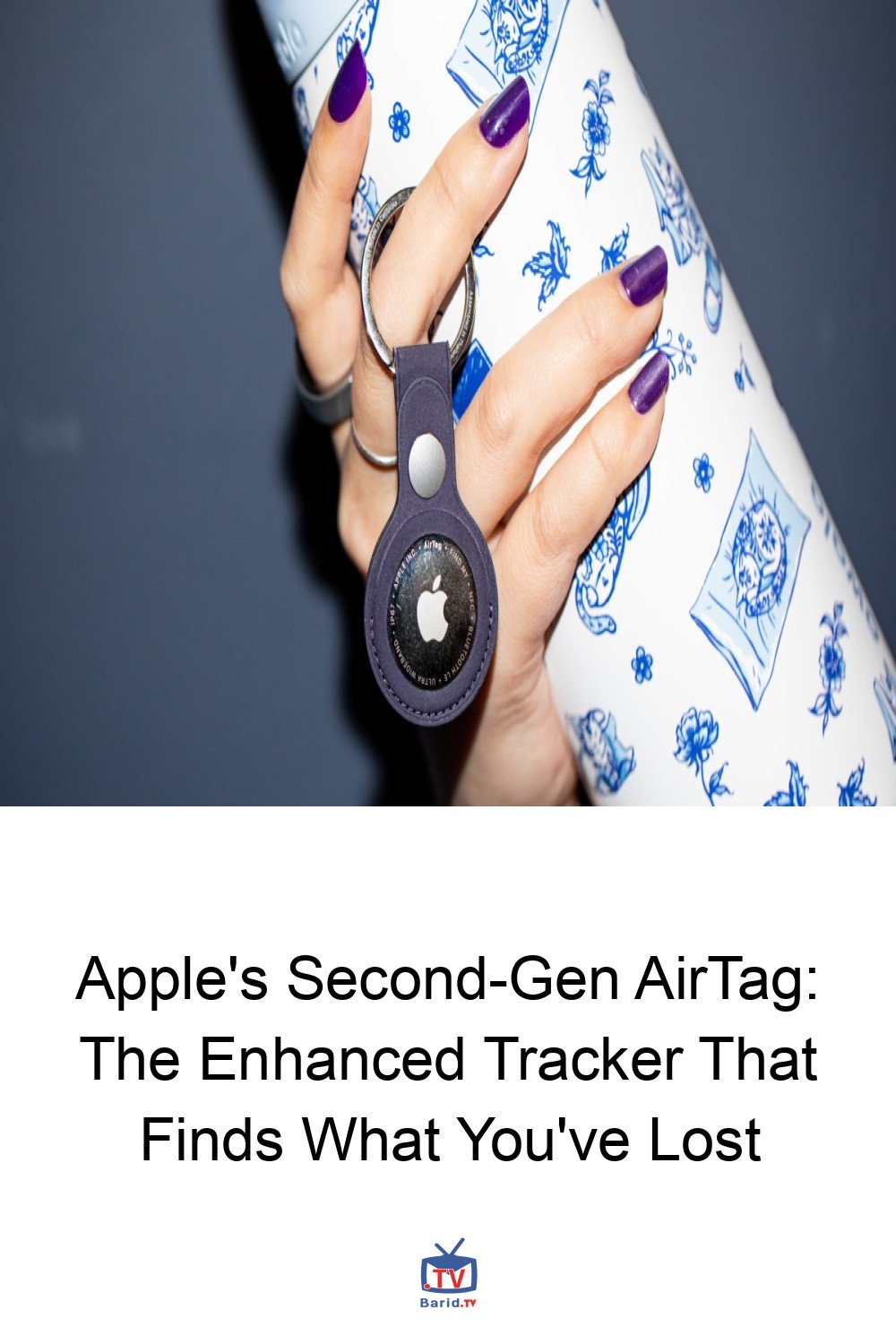
Despite these minor aesthetic and structural points, the core functional improvements in range, volume, and Apple Watch integration significantly outweigh the unchanged aspects. The “Midnight Purple” keyring, for example, might be a subtle shade that barely registers as purple, but the AirTag itself delivers on its promise.
The Verdict: An Essential Upgrade
The second-generation Apple AirTag isn’t a revolutionary redesign, but a masterclass in iterative improvement. By focusing on the core functionalities that matter most – finding lost items quickly and reliably – Apple has created an even more compelling product. For anyone who values peace of mind, or simply wants to reclaim precious minutes lost to frantic searches, the $29 investment in the new AirTag is undoubtedly a wise one. It solidifies its position as one of Apple’s most genuinely helpful and accessible gizmos, proving that sometimes, making a good thing better is all you need.
For more details, visit our website.
Source: Link