
As the years advance, maintaining vitality and independence becomes a paramount concern for many. While the march of time is inevitable, the onset of frailty—a state of increased vulnerability to adverse health outcomes—is not necessarily a foregone conclusion. Emerging research consistently highlights the profound impact of nutrition on healthy aging, and a recent study points to a specific plant-based compound as a powerful ally in this fight: quercetin.
Unlocking the Power of Flavonoids: A Shield Against Frailty
Flavonoids are a fascinating class of phenolic compounds abundant in a wide array of plant-based foods, from vibrant fruits and crisp vegetables to grains, teas, and even wine. Renowned for their potent antioxidant and anti-inflammatory properties, these natural compounds have long been celebrated for their role in reducing the risk of various chronic conditions, including certain cancers, metabolic disorders, and cardiovascular diseases.
Among the diverse family of flavonoids, one particular antioxidant stands out for its remarkable health benefits: quercetin. This powerhouse compound is a formidable scavenger of free radicals—unstable molecules that can inflict cellular damage, contributing to conditions like Alzheimer’s, renal diseases, and cardiac abnormalities.
The Quercetin-Frailty Connection: New Insights
A groundbreaking study, published in the prestigious American Journal of Clinical Nutrition
, has unveiled yet another compelling reason to prioritize quercetin in your diet. Researchers meticulously analyzed data from participants in the extensive Framingham Heart Study, focusing on the relationship between flavonoid intake and the development of frailty in older adults (with a mean age of 58 at the study’s outset).
The findings were striking: a higher overall intake of flavanols (a subgroup of flavonoids) was associated with a 20% lower likelihood of developing frailty. Even more impressively, individuals with a higher specific intake of quercetin experienced an even greater reduction—approximately 35% lower odds—of frailty onset. This robust association underscores quercetin’s potential as a key nutritional strategy for preserving physical resilience and independence as we age.
Elevating Your Quercetin Intake: Practical Strategies
Fortunately, integrating more quercetin into your daily routine is both delicious and achievable. While the average person consumes around 40 milligrams of quercetin daily, aiming for a more substantial intake—up to 500 milligrams—could unlock its full protective potential. Here’s how to boost your quercetin levels naturally:
Embrace the Unexpected: Capers Lead the Way
Believe it or not, those tiny, tangy capers—the pickled flower buds often found adorning salmon bagels or Mediterranean dishes—are the single richest natural source of quercetin. A small serving can deliver a significant dose of this beneficial compound. Look for them in jars near olives at your local grocery store.
Feast on a Rainbow of Fruits
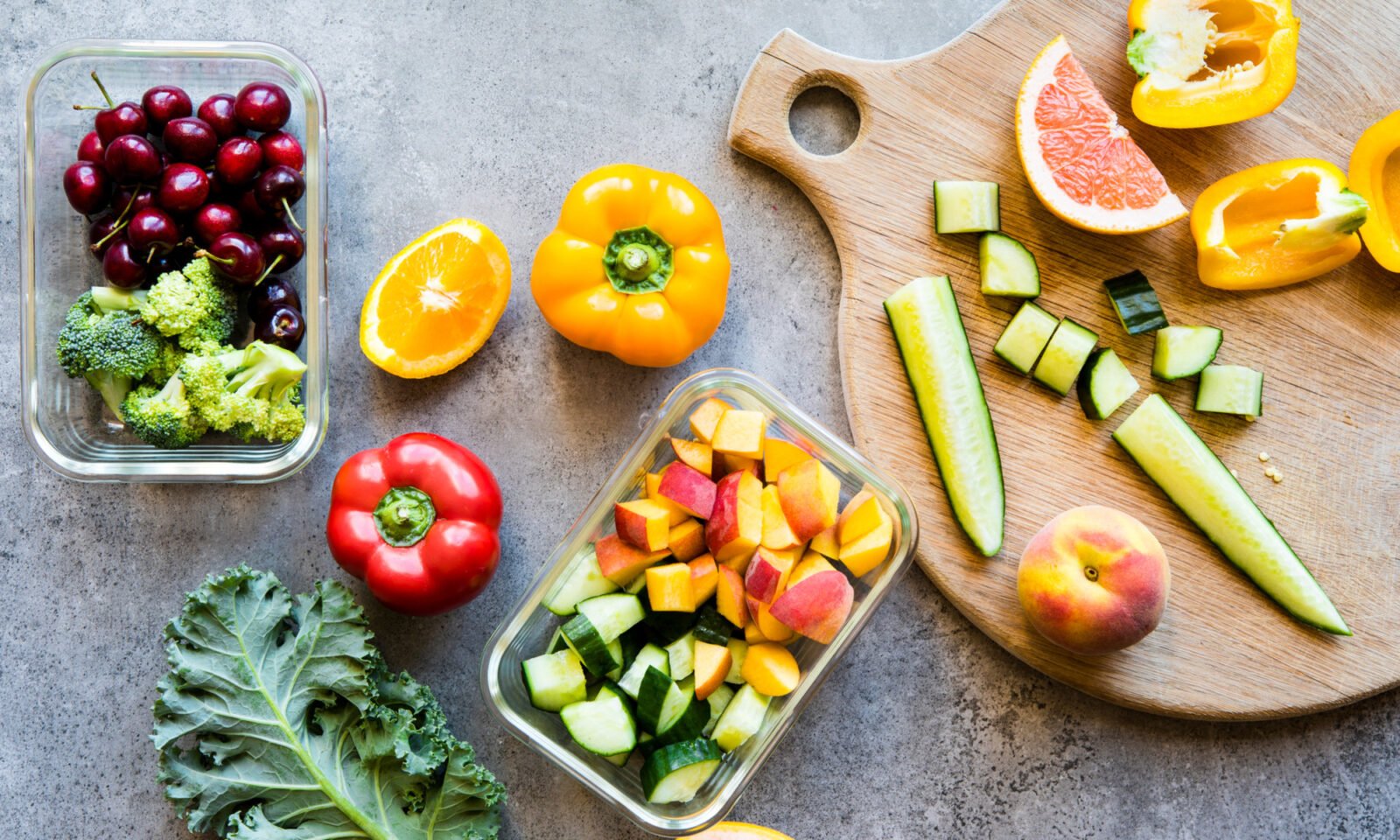
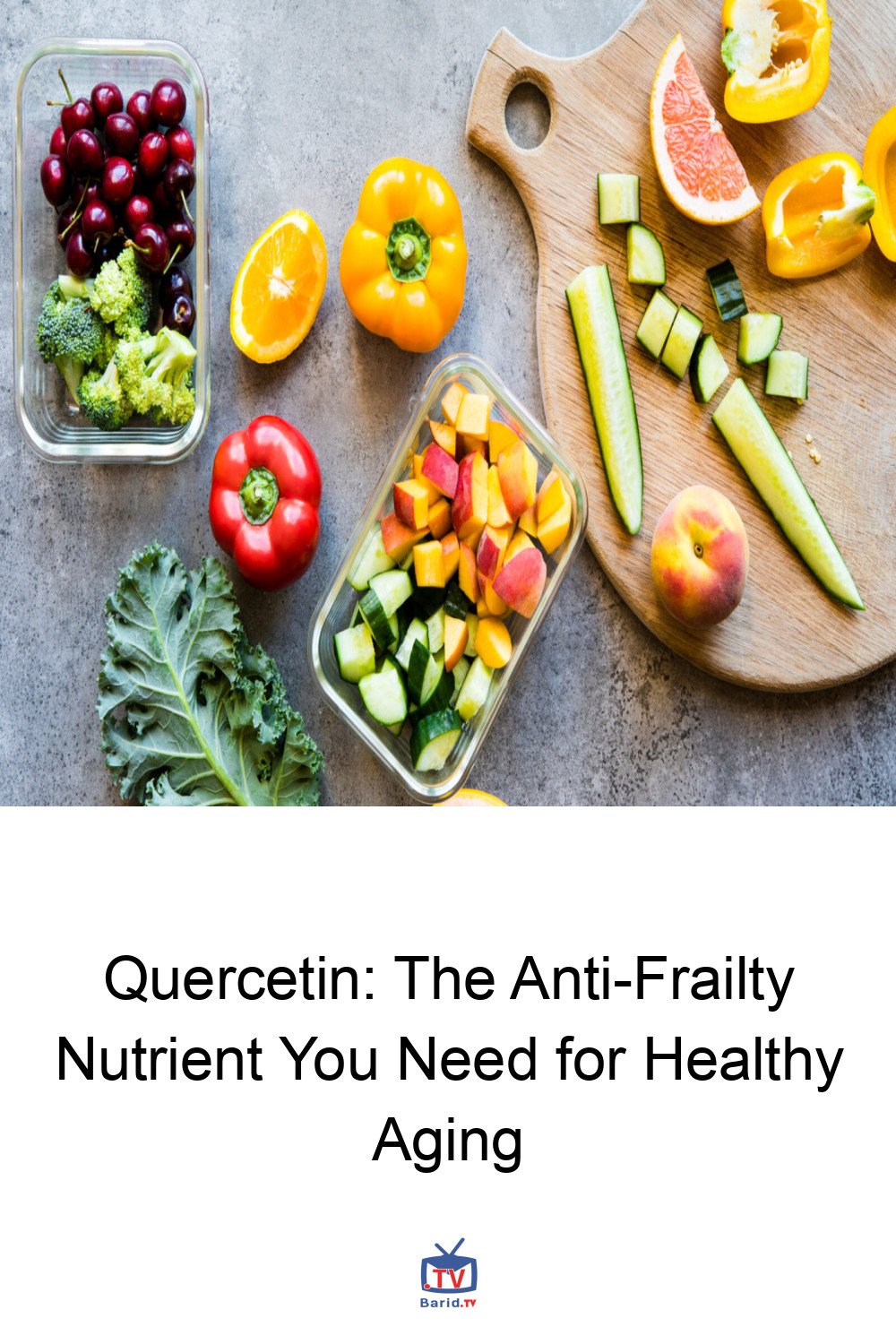
Brightly colored fruits are not just a treat for the eyes; many are bursting with quercetin. Stock up on cherries, a variety of berries (strawberries, blueberries, raspberries), grapes, red apples, tomatoes, and citrus fruits. Beyond quercetin, these vibrant selections offer a wealth of fiber, vitamins, and other essential nutrients.
Power Up with Quercetin-Rich Vegetables
Don’t let fruits have all the fun! Many common vegetables are excellent sources of quercetin. Incorporate red onions, bell peppers, Brussels sprouts, kale, and broccoli into your meals. Broccoli, in particular, offers additional benefits for digestion and reducing bloating.
Sip Your Way to Better Health
Good news for tea and wine enthusiasts: both beverages contain notable amounts of quercetin. Red wine, in moderation, has even been linked to enhanced quercetin absorption. However, remember that the health benefits of alcohol are easily negated by excessive consumption, so enjoy your favorite varietal responsibly.
Consider Smart Supplementation
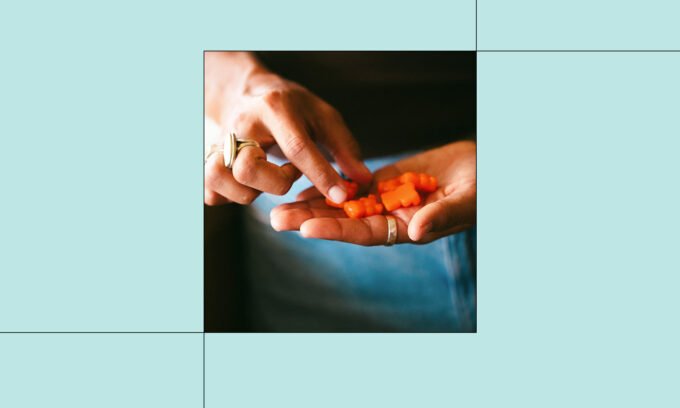
While a whole-food approach is always ideal, busy lifestyles can sometimes make it challenging to meet daily fruit and vegetable recommendations. In such cases, a high-quality fruit and vegetable supplement, or a targeted quercetin supplement, can help bridge nutritional gaps and ensure you’re getting an optimal dose of this protective flavonoid.
The Takeaway: Invest in Your Future Self
The growing body of evidence supporting the health benefits of flavonoids, particularly quercetin, is compelling. Its antioxidant and anti-inflammatory prowess, now coupled with its proven association with a significantly reduced risk of frailty in older adults, makes it an indispensable nutrient for healthy aging. By consciously incorporating quercetin-rich foods into your diet and considering supplementation where appropriate, you can proactively build a stronger, more resilient body for the years ahead.
For more details, visit our website.
Source: Link