
Unveiling the Tech Elite’s Entanglement: Beyond the Headlines
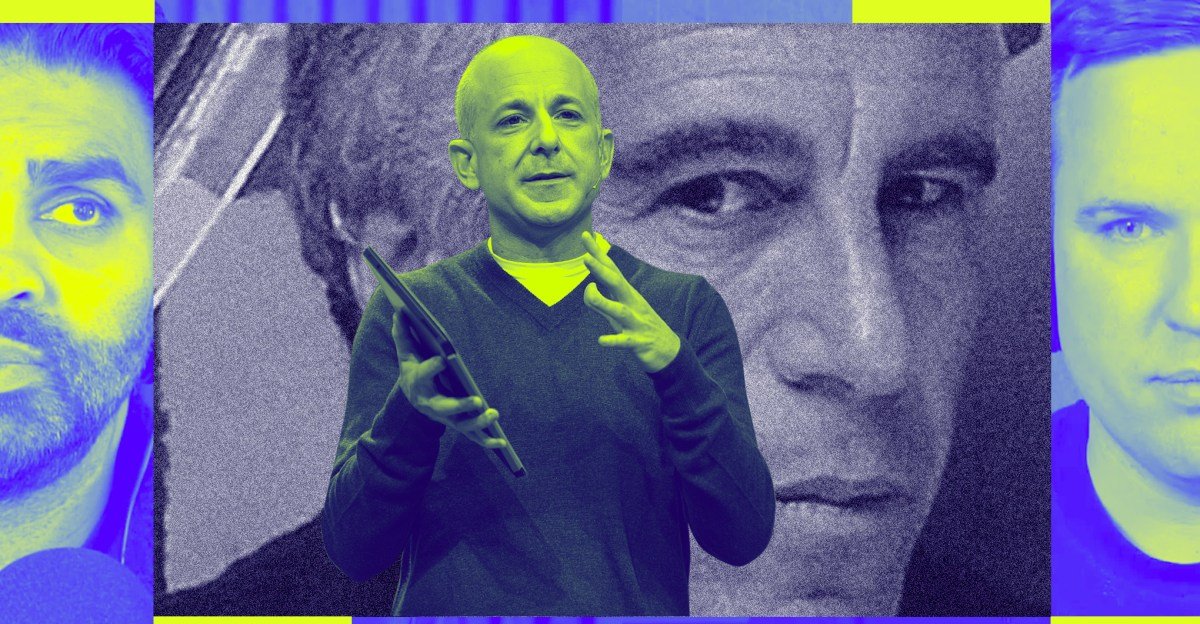
The recent revelations from the Epstein files have sent ripples far beyond the usual circles, casting a long shadow over the glittering world of technology. What began as a grim chronicle of a convicted sex offender’s network has evolved into a stark examination of power, influence, and the unsettling proximity of some of the tech industry’s most revered figures. From Elon Musk and Bill Gates to Sergey Brin, Eric Schmidt, Larry Page, Reid Hoffman, Peter Thiel, Jeff Bezos, and Mark Zuckerberg, the sheer density of bold-faced names within these documents is staggering. While the nature and extent of their interactions with Jeffrey Epstein varied wildly, the collective picture painted is one that compels a deeper look into the ecosystem of extreme wealth and unchecked power.
This week on The Vergecast, co-hosts David Pierce and Nilay Patel delved into the latest tranche of these emails, dissecting both the unsettling new details emerging and the peculiar manner of their public dissemination. Beyond the immediate shock, these files offer a disturbing glimpse into the machinations of a certain echelon of the ultra-rich, prompting uncomfortable questions about accountability and the very fabric of their world.
The AI Ad Wars: Anthropic Takes a Swipe at OpenAI
Shifting gears from the somber to the strategic, the tech world also buzzed with another significant development: Anthropic’s audacious Super Bowl advertising campaign. While not explicitly naming OpenAI, Anthropic’s clear message – that its AI, Claude, would remain ‘ad-free’ – served as an unmistakable jab at its rival’s rumored plans to integrate advertisements into ChatGPT. These ads ignited a crucial debate about the future of AI monetization and user experience, highlighting the delicate balance between innovation and commercialization. More critically, they underscored the potentially precarious position OpenAI finds itself in, as the battle for AI dominance intensifies and business models come under scrutiny. And, it must be said, they were remarkably effective ads.
Streaming’s Shifting Sands: From ‘Wokeness’ Debates to Digital Piracy
The ever-evolving landscape of streaming services continued to generate headlines, albeit with a distinctly bizarre flavor. Netflix found itself unexpectedly embroiled in a ‘culture war’ debate during a Senate hearing, a testament to the platform’s pervasive cultural influence and the often-unpredictable nature of public discourse. Meanwhile, the specter of digital piracy appears to be making an unwelcome return, prompting industry giants like Disney to address the issue head-on. The conversation also touched upon the curious emergence of new streaming hardware, available in the most unexpected of places – a farmers market, no less – signaling a fragmented and increasingly diverse market for digital entertainment.
Quick Takes: Gadgets, Governance, and Crypto Volatility
The FCC’s controversial aim to restrict Lifeline benefits to ‘only living and lawful Americans’ sparked considerable debate, raising questions about digital equity and access.
- Raspberry Pi users faced another round of price hikes, a consequence of ongoing memory shortages impacting the broader hardware market.
- Valve’s much-anticipated Steam Machine suffered further delays, with the global RAM crisis cited as a significant factor influencing both its release and potential pricing.
- Peloton’s ambitious gamble on high-priced new hardware continues to face an uphill battle, with profitability remaining elusive.
- The volatile cryptocurrency market saw Bitcoin’s price dip below $65,000, a reminder of the inherent unpredictability of digital assets.
- In a small but welcome development for smart home enthusiasts, Google Home finally rolled out support for physical buttons, enhancing user control and accessibility.
For more details, visit our website.
Source: Link