
The Dollar’s Shifting Fortunes: Decoding Trump’s Currency Stance
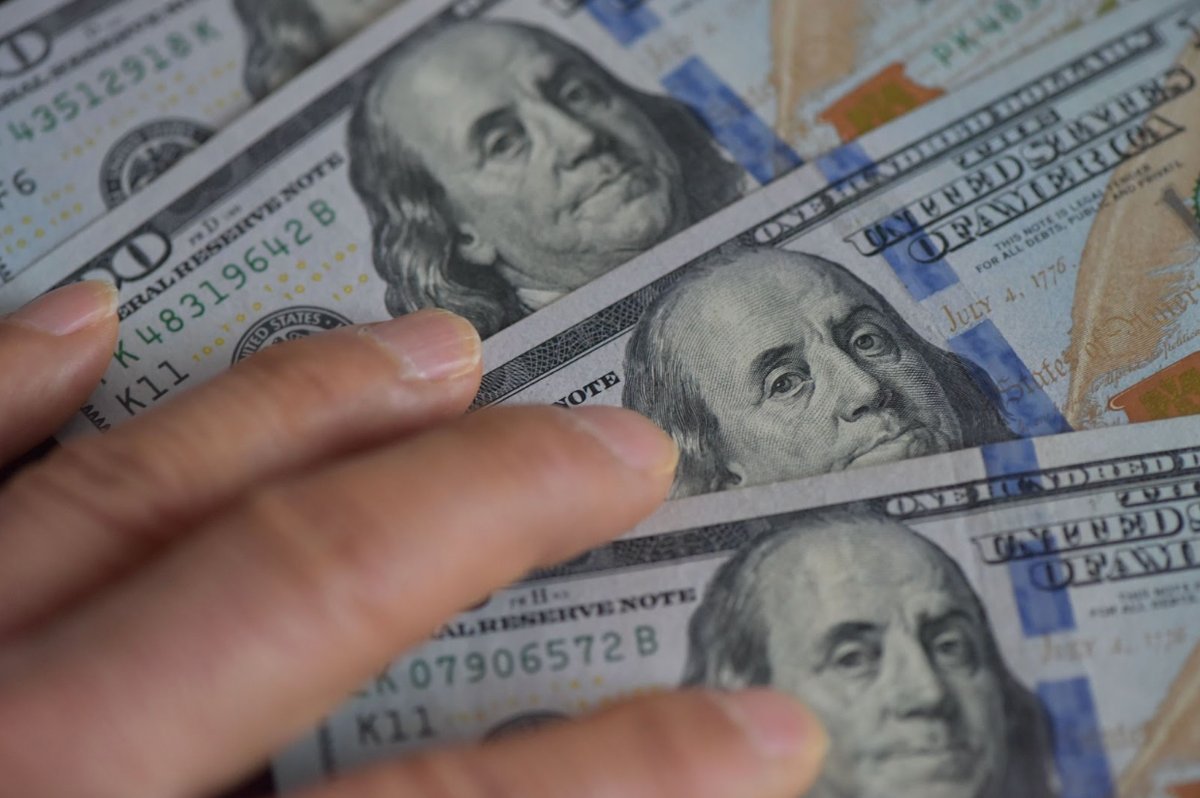
In the intricate world of global finance, a peculiar narrative is unfolding, one that sees the U.S. dollar embarking on a significant retreat while drawing an unusual admirer: former President Donald Trump. Since his return to the Oval Office, the greenback has shed over 10% of its value, a development Trump himself has lauded as “great.” This ‘love story’ between a powerful political figure and a weakening currency is more than just an economic footnote; it’s a complex interplay of policy, market reaction, and geopolitical strategy that demands closer examination.
The Greenback’s Retreat: A Decade of Decline Under Trump?
The U.S. Dollar Index, a benchmark tracking the dollar’s performance against a basket of major currencies, reveals a stark reality: a more than 10% depreciation since Trump’s re-entry into the highest office. While this trend might alarm some, President Trump views it through a different lens, stating after a recent Iowa economic speech, “I think it’s great. The value of the dollar — look at the business we’re doing.”
Who Benefits from a Weaker Dollar?
Indeed, a weaker dollar offers tangible advantages, particularly for American exporters. Their products become more competitive and affordable for foreign buyers, boosting international sales. Tech giants like Apple ($AAPL), which derive a substantial portion of their revenue from overseas markets, also find this trend favorable as foreign earnings convert into more dollars. This immediate economic boost aligns with Trump’s long-held focus on American business and trade.
Investor Jitters and Eroding Confidence
However, the dollar’s recent slump isn’t met with universal applause. For many investors, the greenback traditionally serves as a safe haven amidst global market turbulence. Yet, this reflexive reach for the dollar as armor against shocks – be it geopolitical demands or economic broadsides against allies – appears to be waning.
“Certainly confidence has been eroded a little bit,” noted Adam Turnquist, chief technical strategist for LPL Financial. He points to a confluence of factors: persistent tariff threats, ongoing criticism of the Federal Reserve, and the escalating federal debt. These elements, Turnquist suggests, are collectively spooking investors and diminishing the dollar’s once-unquestioned reputation as a secure asset. “All of that has left foreign investors wondering, ‘how much dollar do I really want to have exposure to?’” he added.
A Forecast for Further Decline
Joseph Brusuelas, chief economist of accounting firm RSM, anticipates further depreciation for the dollar this year. While he doesn’t foresee a repeat of the dramatic 10% decline observed in 2025, he suggests “modest single-digit declines look about right.” This diminished luster for the dollar has coincided with an astonishing surge in gold prices, which doubled in value since January 2025, briefly touching a record $5,500 per ounce. While gold has experienced its own volatile swings recently, its ascent underscores a broader shift in investor sentiment away from traditional dollar-denominated assets.
Policy Paradox: “Strong Dollar” vs. “Weak Dollar”
The administration’s official stance on the dollar has been a source of mixed signals. In November, the Federal Reserve Bank of St. Louis observed that the weakening dollar was “consistent with the current federal administration’s stated preferences.” Yet, Treasury Secretary Scott Bessent has publicly maintained a “strong dollar policy,” asserting that “the U.S. always has a strong dollar policy” and that this entails “setting the right fundamentals.”
The Miran Blueprint and Tariff Leverage
Adding another layer to this complexity is a 41-page blueprint from late 2024, authored by Stephen Miran, a Trump economic adviser temporarily serving as a Federal Reserve governor. Miran’s controversial document argued that a strong dollar rendered U.S. exports too expensive and proposed that Trump could compel other nations to strengthen their currencies, primarily through the leverage of tariffs and trade wars. While the White House has distanced itself from this specific document, it’s challenging to ignore Trump’s consistent historical interest in a weaker dollar, a preference he voiced early in his first term.
Brusuelas contends that despite official statements, “The [administration] has adopted a weak dollar policy even if they state otherwise.” He attributes this not necessarily to direct intervention, but to “policy unpredictability” which results in a weaker dollar as “collateral damage.”
Trade Deficit and Global Dominance
A feebler dollar undeniably aids Trump’s long-standing objective of eliminating the trade deficit, a metric he views as evidence of the U.S. being economically disadvantaged. While the trade deficit has indeed shrunk, many economists continue to argue that such a gap is not inherently a sign of economic weakness.
The Dollar’s Enduring Hegemony
Despite these internal dynamics and the rise of contenders like the Chinese renminbi and the Euro, the U.S. dollar’s position as the world’s most traded currency remains largely unchallenged. It continues to enjoy a hegemonic status in global foreign exchange markets, and experts do not foresee its immediate dethroning as the global reserve currency.
However, both Brusuelas and Turnquist anticipate a gradual, long-term shift away from dollar-based assets among financiers. This isn’t a sudden collapse but rather an evolutionary process that will unfold over many years, reflecting a nuanced recalibration of global financial strategies rather than a revolutionary overthrow of the dollar’s dominance.
For more details, visit our website.
Source: Link