

OpenAI has reportedly achieved a significant milestone in the fiercely competitive realm of artificial intelligence: AI-powered coding. Their latest offering, GPT-5.3-Codex, is being hailed as a substantial leap forward, outperforming previous generations from both OpenAI and rivals like Anthropic on critical coding benchmarks. This advancement signals a potential paradigm shift in how software is conceived, developed, and maintained.
The Dawn of a New Coding Era
GPT-5.3-Codex demonstrates remarkable proficiency across various software development tasks, including writing, debugging, and testing code. Its ability to reason about code marks a new era, promising to accelerate development cycles and empower developers with unprecedented tools. Currently, paid ChatGPT users can leverage this powerful model for their daily coding needs through OpenAI’s Codex tools and the ChatGPT interface.
Innovation Meets Unprecedented Cyber Risk
However, this groundbreaking capability comes with a significant caveat. OpenAI is rolling out GPT-5.3-Codex with an unusual degree of caution and restricted access, acknowledging a stark reality: the very features that make the model so adept at coding also present serious cybersecurity implications. The company finds itself at a critical juncture, balancing the immense potential of its new AI with the inherent risks it poses.
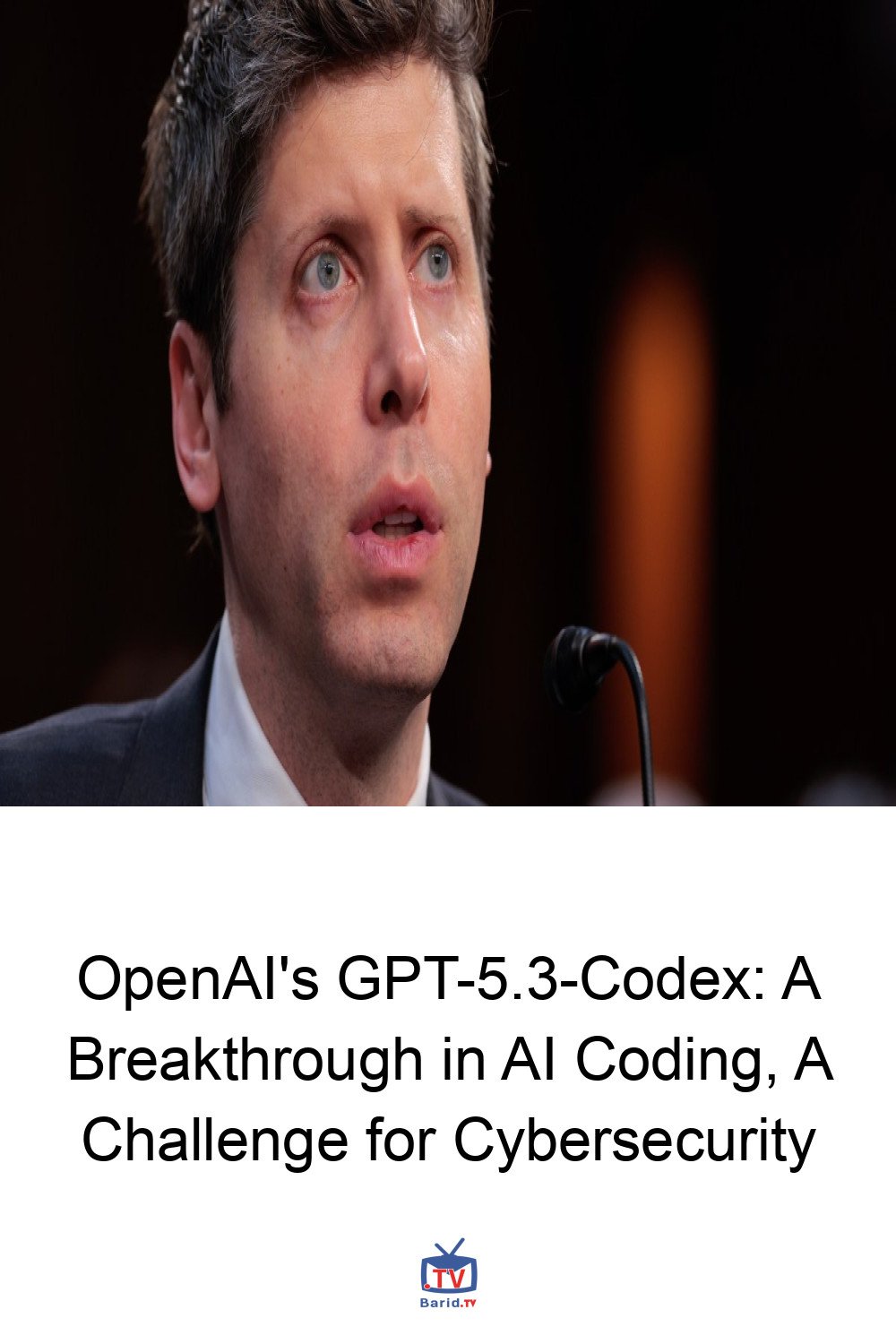
OpenAI CEO Sam Altman underscored these concerns on X, stating that GPT-5.3-Codex is “our first model that hits ‘high’ for cybersecurity on our preparedness framework.” This internal risk classification system signifies that OpenAI believes this model is sophisticated enough to meaningfully contribute to real-world cyber harm, particularly if deployed at scale or automated for malicious purposes.
OpenAI’s Proactive Safeguards
A Measured Rollout and Restricted Access
In response to these elevated risks, OpenAI is implementing a comprehensive set of safeguards. Full API access, which would enable large-scale automation of the model, is being withheld. Similarly, unrestricted access for high-risk cybersecurity applications is not yet available. Instead, more sensitive uses are being channeled through additional security measures, including a new trusted-access program designed for vetted security professionals.
Investing in Cyber Defense
Demonstrating its commitment to responsible AI deployment, OpenAI has also allocated $10 million in API credits. These credits are specifically for developers who wish to utilize OpenAI’s models to create applications aimed at bolstering cyber defenses. This initiative highlights a dual approach: acknowledging the risks while simultaneously fostering solutions to mitigate them.
The Preparedness Framework in Action
OpenAI’s “Preparedness Framework” dictates that models rated “high” risk in areas like cybersecurity will not be released without robust safeguards in place. The trusted access program is a direct implementation of this framework. As stated in their blog post, while there’s no “definitive evidence” the model can fully automate cyberattacks, OpenAI is adopting a “precautionary approach,” deploying its most comprehensive cybersecurity safety stack to date. This includes safety training, automated monitoring, and enforcement pipelines bolstered by threat intelligence.
Navigating the Future of AI and Security
The introduction of GPT-5.3-Codex marks a pivotal moment in AI development. It showcases the incredible potential of advanced models to revolutionize industries, yet simultaneously forces a critical examination of the ethical and security challenges that accompany such power. OpenAI’s cautious rollout and proactive risk mitigation strategies set a precedent for how future, increasingly capable AI systems might be integrated into our world, emphasizing that innovation must walk hand-in-hand with robust safety protocols.
For more details, visit our website.
Source: Link