
ICE Agent’s Conduct Under Scrutiny: Dragging Case Defense Seeks Records Amid Fatal Shooting Inquiry
A Minnesota man’s defense team, convicted last December for assaulting an Immigration and Customs Enforcement (ICE) officer, is now seeking critical investigative files related to the fatal shooting of Renee Nicole Good. This move comes after the revelation that the ICE officer involved in both incidents is the same individual: Jonathan Ross.
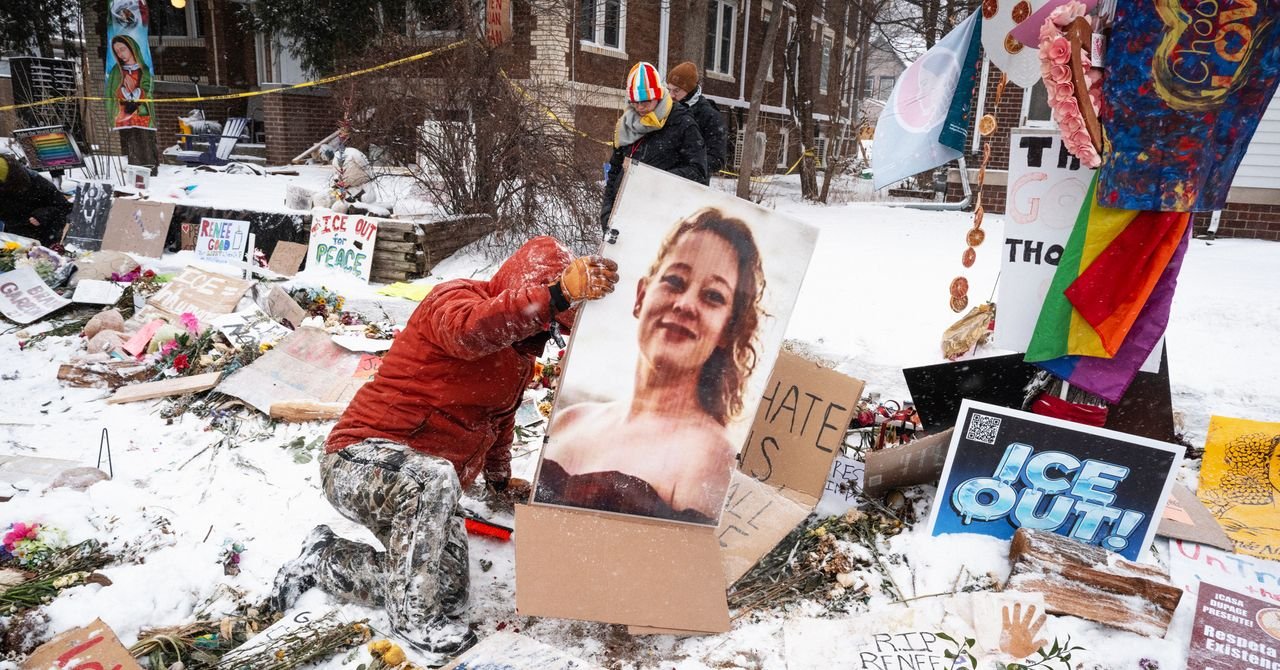
Attorneys for Roberto Carlos Muñoz-Guatemala have formally petitioned a federal judge to compel prosecutors to release training records and investigative documents pertaining to Officer Ross. Ross was injured in an incident last summer where Muñoz-Guatemala allegedly dragged him with his car, and subsequently, on January 7, he shot and killed Renee Nicole Good during Operation Metro Surge in Minneapolis.
Legal Maneuvers and Defense Arguments
In a separate post-trial motion filed in the U.S. District Court in Minnesota, the defense has requested a pause on deadlines for a new-trial motion until the discovery motion regarding Ross’s records is resolved. Muñoz-Guatemala’s legal team contends that even if new evidence doesn’t warrant a new trial, it could introduce mitigating factors that might influence the length of his sentence. Specifically, they aim to explore whether Ross’s injuries in the dragging incident could have been, to some extent, a consequence of his own actions or behavior.
The Incident with Muñoz-Guatemala
Muñoz-Guatemala was convicted on December 10 of assault on a federal officer with a dangerous weapon and causing bodily injury. Court documents detail that last summer, Ross and other ICE agents attempted to interview Muñoz-Guatemala, potentially for deportation processing, due to an administrative warrant for being in the country without authorization. Agents surrounded his Nissan Altima and tried to remove him. Ross reportedly used a tool to shatter the rear driver’s-side window before reaching inside. Ross testified that when Muñoz-Guatemala accelerated away, he was dragged approximately 100 yards, during which he repeatedly deployed a taser. Muñoz-Guatemala later called 911, claiming he had been assaulted.
During his trial, Muñoz-Guatemala asserted he did not realize Ross, who was wearing ranger green and gray and had his badge on his belt, was a federal agent. While Ross testified that Muñoz-Guatemala had asked to speak to an attorney – suggesting an awareness of law enforcement presence – an FBI agent who witnessed the event did not corroborate this. Furthermore, this claim reportedly did not surface in pretrial interviews, and prosecutors stated they had not heard it before his court testimony.
Connecting the Cases: A New Defense Angle
Muñoz-Guatemala’s attorneys now argue that had his trial occurred after Good’s killing, his defense might have contended he was justified in resisting Ross, whom they now characterize as the aggressor who used excessive force. The original jury instructions presented a two-part decision: jurors could convict if they believed Muñoz-Guatemala knew Ross was law enforcement, or if they believed driving away was an unreasonable response.
Since the conviction doesn’t specify which prong the jury relied upon, the defense argues that if it was the latter, access to evidence concerning Ross’s conduct, tactics, and potential aggressive behavior becomes crucial. Such information, they suggest, could indicate a history of reckless field behavior or actions contrary to his training, thereby impacting the assessment of Muñoz-Guatemala’s response.
Official Silence and Ongoing Inquiry
As of now, prosecutors have not filed a response to these motions. Attempts to reach Ross via publicly available records have been unsuccessful, and neither the Department of Justice nor the Department of Homeland Security has immediately responded to requests for comment regarding the case or Ross’s current duty status and any departmental review.
Following the January 7 shooting of Renee Good, a 37-year-old Minnesota poet and mother of three, Ross has been placed on administrative leave – a standard protocol after a fatal use of force, according to DHS officials. Ross has not been charged in Good’s killing, and the Justice Department has indicated it will not pursue criminal charges in that incident.
For more details, visit our website.
Source: Link