
Senator Warren Demands Halt to Controversial UAE AI Chip Sales Amid ‘Spy Sheikh’ Revelations
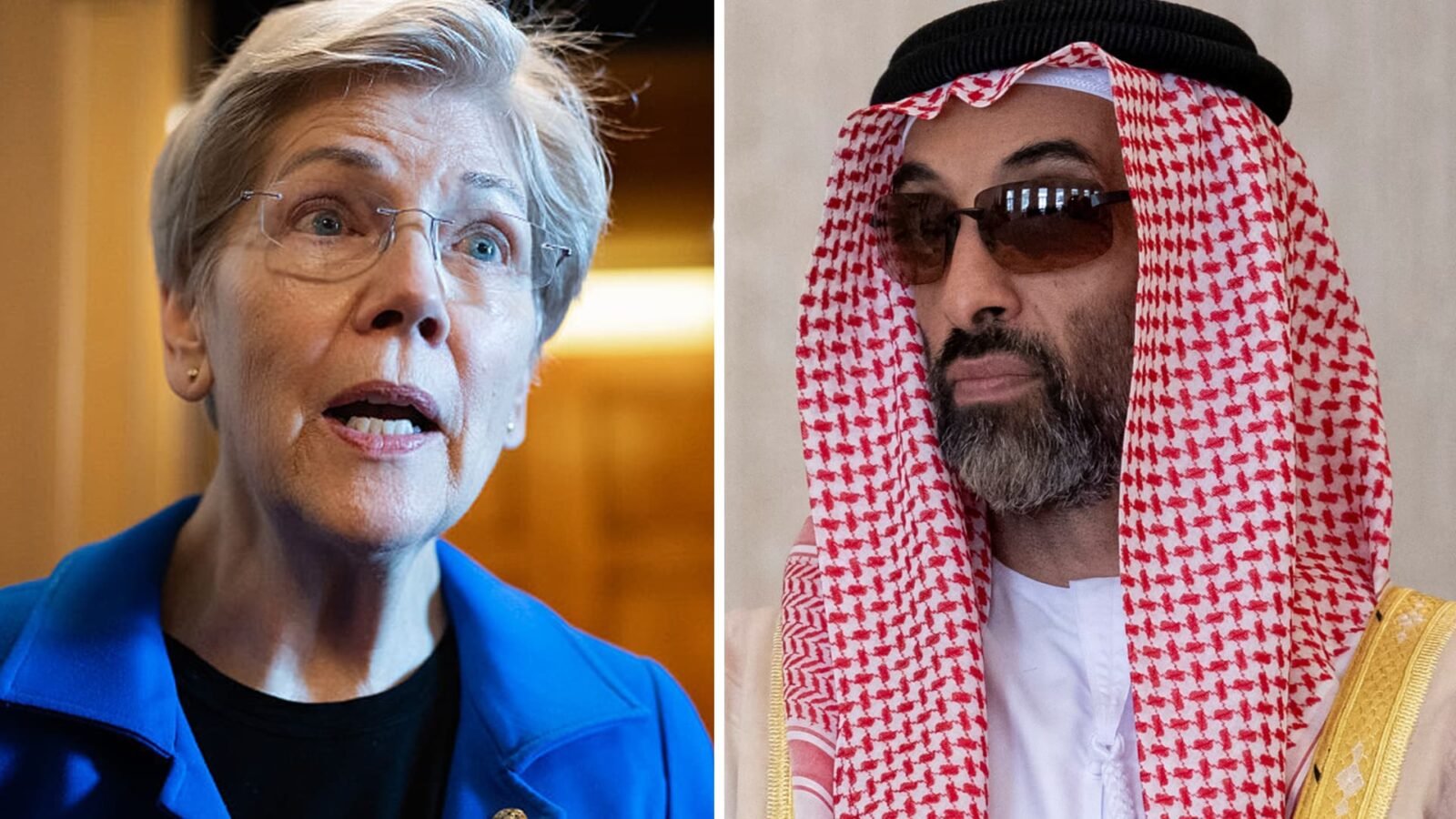
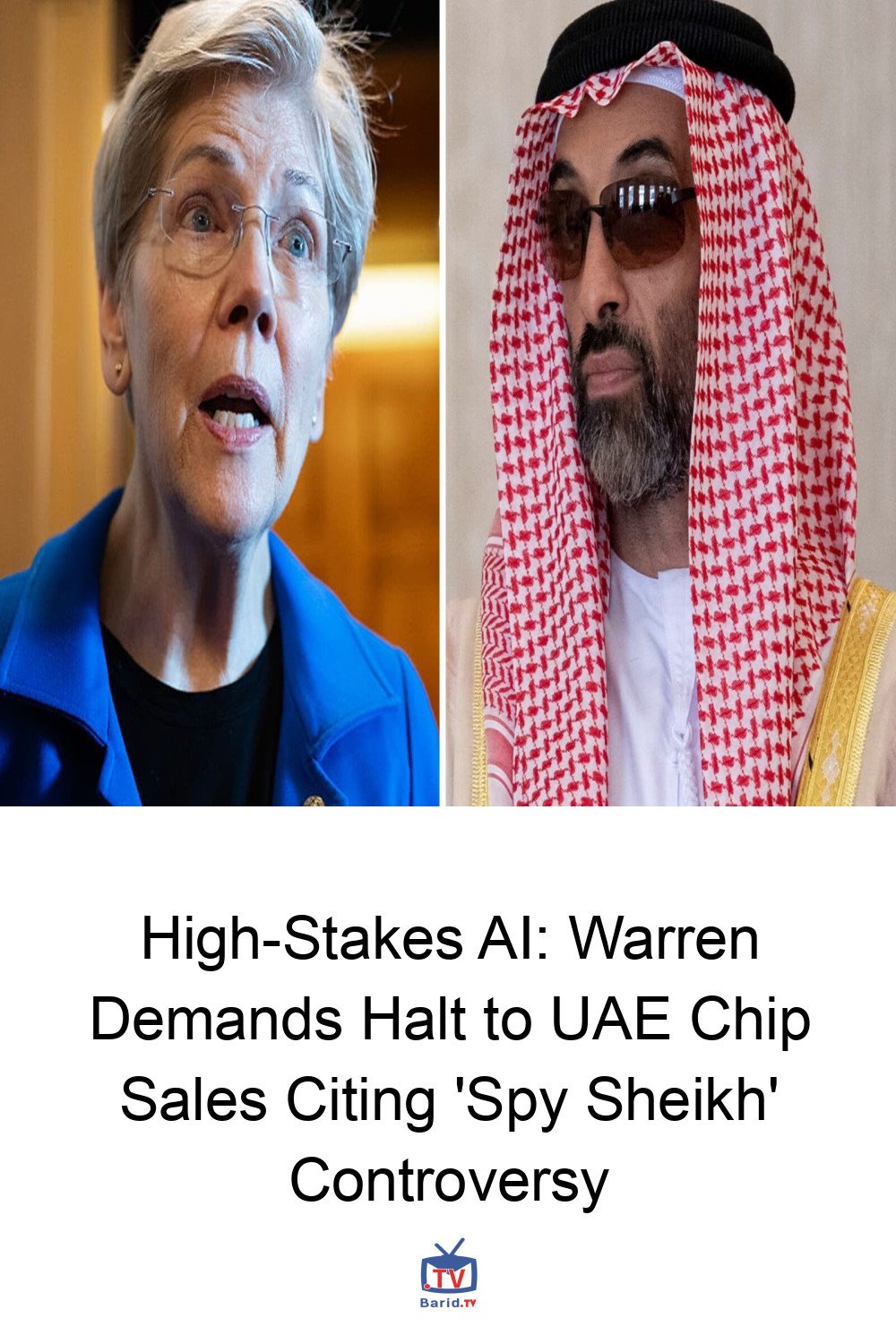
Senator Elizabeth Warren (D-Mass.) is set to ignite a fresh political firestorm, vowing to press the Senate to condemn and reverse a contentious Trump-era agreement that greenlit the sale of 500,000 advanced artificial intelligence chips to the United Arab Emirates. This assertive move comes on the heels of explosive revelations linking a powerful UAE royal, dubbed the “Spy Sheikh,” to a secret, multi-million dollar investment in a Trump family enterprise just days before Donald Trump’s presidential inauguration.
The Massachusetts Democrat, a vocal critic of potential conflicts of interest, shared her intentions exclusively with CNBC, signaling a renewed push to scrutinize the opaque dealings that characterized the previous administration’s foreign policy and business entanglements.
The ‘Spy Sheikh’ and the Secret Investment
At the heart of Warren’s resolution lies a recent Wall Street Journal report detailing how Sheikh Tahnoon bin Zayed Al Nahyan of the UAE, widely known as the “Spy Sheikh” due to his extensive intelligence background, acquired a clandestine 49% stake in the Trump family’s World Liberty Financial. This significant transaction, reportedly funneling approximately $187 million into Trump family entities, occurred mere days before President Trump took office, raising immediate red flags about potential influence peddling.
The timing is critical: the controversial chip deal, which would see half a million advanced Nvidia AI chips shipped to the UAE annually, materialized just months after Sheikh Tahnoon’s substantial investment. This proximity has fueled allegations of bribery and quid pro quo arrangements, prompting Warren to question the motivations behind the Trump administration’s decision.
National Security Concerns and China’s Shadow
Beyond the ethical questions, the proposed sale of cutting-edge AI technology to the UAE carries significant national security implications. Previous U.S. administrations have consistently cautioned against such transfers, expressing grave concerns that these advanced chips could ultimately find their way into the hands of China, a primary geopolitical and technological rival of the United States.
Adding to these worries, Sheikh Tahnoon’s own AI enterprise, G42, is slated to be a direct recipient of these powerful chips. “Why in the world was Donald Trump trying to ship off our state-of-the-art chips to the UAE — and China — when American startups, universities, and small businesses need them here at home?” Warren is expected to challenge on the Senate floor. “Well, now we know that the UAE greased the skids months earlier when it secretly agreed to pour hundreds of millions of dollars into a Trump family crypto venture just four days before President Trump’s inauguration.”
A Political Showdown in the Senate
Warren’s resolution, if agreed to, would formally state the Senate’s condemnation of “Donald Trump’s decision to allow the sale of advanced AI chips to the United Arab Emirates and calls for the reversal of this decision.” While the resolution faces an uphill battle, likely to be blocked by objections from other senators, its introduction serves a crucial purpose: to force a public debate and put Republicans on the record.
Many Republicans have previously voiced similar concerns about sensitive AI technology reaching China, placing them in a potentially awkward position. Warren intends to capitalize on this, stating, “Trump is profiting from decisions that make it easier for countries like China to get their hands on some of our most sensitive and advanced technology.” She plans to deliver a stark message: “Congress needs to grow a spine. We cannot allow American national security to be sold to the highest bidder.”
Denials and Unanswered Questions
The Trump administration has consistently denied any wrongdoing concerning Sheikh Tahnoon’s investment and the subsequent chip deal. When directly questioned about the agreement this week, Donald Trump reportedly responded with a dismissive, “Well, I don’t know about it.” This denial, however, is unlikely to quell the growing calls for transparency and accountability surrounding a deal that many see as a dangerous compromise of American technological superiority and national security for personal gain.
For more details, visit our website.
Source: Link