
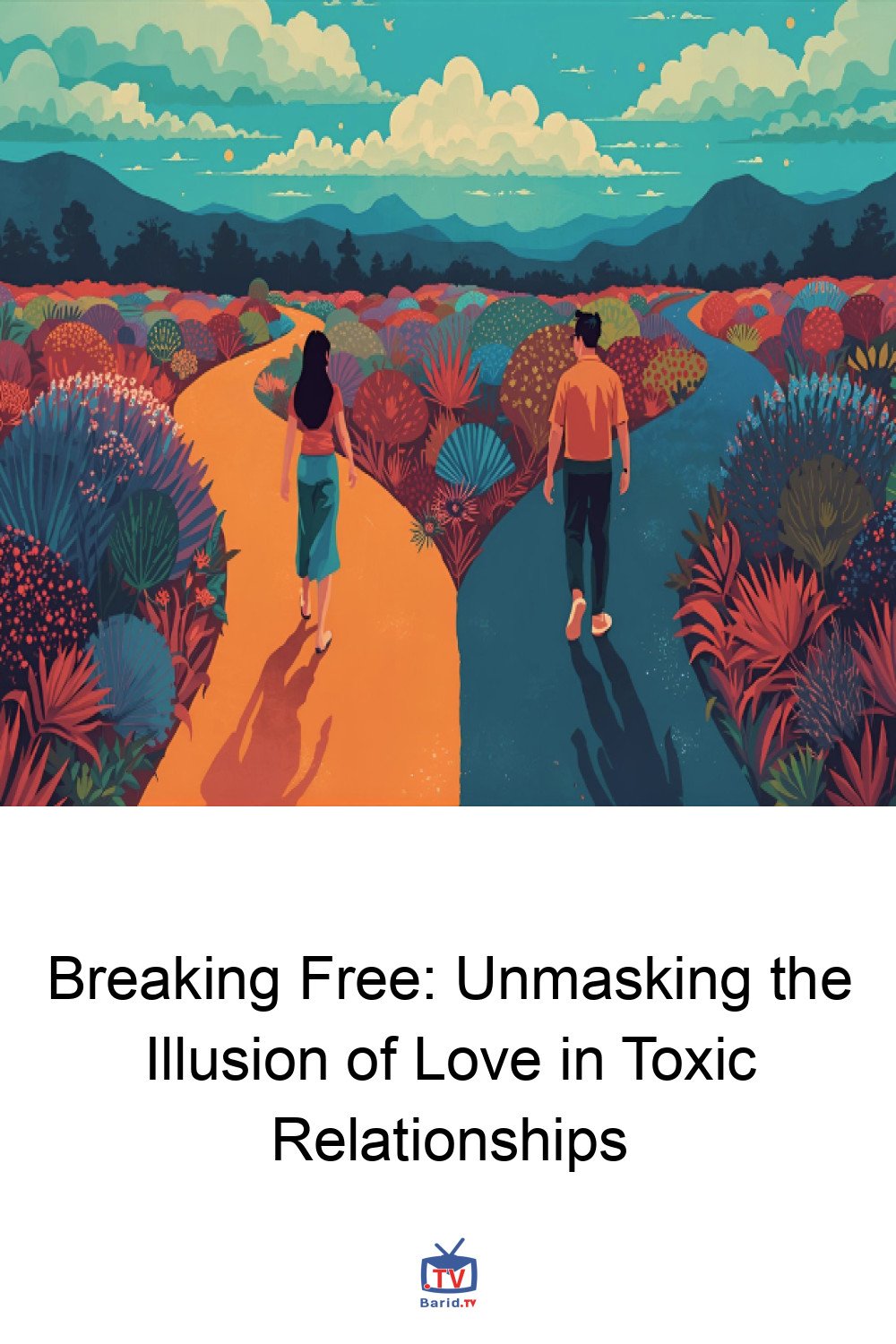
In the intricate dance of human connection, love is often heralded as the ultimate balm, a source of unparalleled joy and security. Yet, for some, this sacred bond can morph into a crucible of pain, a relentless erosion of self that leaves one questioning their very essence. This is the harrowing reality of toxic relationships, a journey I once navigated, learning profound lessons the hardest way imaginable.
The Silent Erosion of Self
There was a time when I mistakenly equated love with sacrifice, believing that to truly belong, I must shed parts of myself. I lingered when my instincts screamed to flee. I offered forgiveness before my wounds had even begun to mend. I silenced my truth when it desperately needed utterance. Gradually, I surrendered my voice, my boundaries, and my fundamental sense of emotional safety. The fear of conflict led me to suppress my needs, and the dread of being “too much” compelled me to minimize my feelings. Piece by agonizing piece, I detached from the vibrant, confident, and joyful woman I once was, until I looked in the mirror and barely recognized the stranger staring back.
Unbeknownst to me then, I was ensnared in a toxic dynamic where affection was inextricably laced with manipulation, control, and a chilling inconsistency. It wasn’t uniformly bleak, which made extrication all the more challenging. The pendulum swung wildly between intoxicating highs and devastating lows, leaving my nervous system in a perpetual state of hyper-vigilance.
The Insidious Cycle of Control
Charm, Criticism, Explosion: A Predictable Pattern
The cycle always began with a deceptive charm. Following an argument, apologies would flow—for a raised voice, for a sudden disappearance. Promises of improved communication would be made, coupled with fervent declarations that I was “the one,” indispensable and irreplaceable. These moments, fleeting as they were, rekindled a sense of being cherished, chosen.
Then, inevitably, came the criticism. I was too sensitive, I misunderstood his intentions, I was overreacting. Any attempt to articulate my needs or establish a boundary was met with an immediate withdrawal of warmth, replaced by an icy distance and suffocating silence. The climax was always an explosion: arguments that left me emotionally depleted and riddled with shame, only to be followed by another round of apologies and a renewed surge of affection. This relentless loop became my prison, shifting the focus from the relationship itself to a desperate quest to prove my worth. Perhaps, I reasoned, if I could just be “better,” the elusive love would finally stabilize.
Why We Linger: Unpacking the Chains of Fear and Wounds
Reflecting on those years, a persistent question echoes: Why did I stay? Why do so many of us remain tethered to relationships that inflict undeniable harm? The insidious truth is that toxic relationships rarely begin with overt toxicity. They often ignite with an intense spark, a powerful passion, and a profound sense of connection. This initial bond feels so potent that when the dynamics inevitably sour, we cling to the belief that it’s merely a temporary deviation.
Fear is another formidable anchor – the terror of solitude, the daunting prospect of starting anew, the haunting whisper that perhaps this is the best we’ll ever encounter. Yet, beneath these fears often lies a deeper, unaddressed wound. For me, it was the deeply ingrained conviction of not being “good enough.” This belief wasn’t born in that relationship; it was a shadow cast by earlier experiences, following me into this new chapter. Over time, each dismissal, each inconsistency, quietly reaffirmed a narrative I already knew too well, compelling me to accept mere breadcrumbs when I deserved an entire feast.
The Shattered Mirror: A Turning Point
The breaking point arrived one night, after yet another draining confrontation. I found myself on the bathroom floor, tears streaming, staring at a reflection I scarcely recognized. Exhaustion permeated my very being. My body was a constant knot of tension. Work became an impossible task. Friendships, once vibrant, had withered. My entire world had constricted to the suffocating confines of this relationship.
Then, a simple, yet profound question pierced through the despair: If nothing ever changed, could I live the rest of my life like this? The answer, though agonizing, was unequivocally clear: No. This wasn’t the immediate end of the relationship, but it marked the genesis of my healing journey, the courageous first step towards reclaiming the woman I had lost.
The Labyrinth of Departure: A Journey, Not a Moment
The narrative of leaving a toxic relationship is often simplified into a singular, decisive act. My experience was anything but. It was a protracted, messy, emotionally turbulent, and often back-and-forth process. The true challenge wasn’t packing my belongings; it was the relentless battle against my own internal doubts: Am I overreacting? Will anyone else ever love me? What if he changes the moment I leave? Am I making the biggest mistake of my life?
Alongside the guilt and fear, there was a surprising, profound grief. Even when a relationship is unhealthy, the attachment is undeniably real. The hope, however misplaced, is real. The memories, however tainted, are real. Letting go felt like mourning a version of myself that, in truth, had never truly existed within that dynamic.
Pillars of Healing: Reclaiming My Life
- Support: I reached out to two trusted friends who served as vital anchors, reminding me of the person I was before the relationship’s shadow fell. Their unwavering perspective was a beacon when self-doubt threatened to engulf me.
- Space: Limiting contact became a non-negotiable act of self-preservation, not anger. I consciously avoided places he frequented and conversations that threatened to drag me back into the familiar drama. Each message or call became a test of my resolve to protect my newfound peace.
- Small Daily Acts of Self-Respect: Nourishing my body, embracing nature through walks, and journaling became my daily rituals. These seemingly simple acts steadily rebuilt my confidence, serving as powerful reminders of my inherent capability to care for myself.
Leaving was not a clean break; it was a shaky, emotional, and often second-guessed endeavor. Yet, with each passing day away from the chaos, it felt like I was learning to breathe again.
Beyond the Pain: Enduring Truths of Authentic Love
Through this arduous journey, I unearthed fundamental truths I wish I had known sooner:
- Love without respect is not love. If your partner belittles, manipulates, or controls you, that is not love. It is power disguised as affection, a dangerous illusion.
- Your boundaries are sacred. They are not barriers to love but blueprints for healthy connection. True love respects and cherishes your limits.
- Your worth is non-negotiable. You are inherently worthy of consistent, respectful, and joyful love. Never settle for less than the whole meal.
- Healing is a journey, not a destination. It’s messy, nonlinear, and deeply personal. Be patient and compassionate with yourself.
- Self-love is the foundation. Reclaiming yourself is the most profound act of love you can offer, paving the way for healthier relationships in the future.
Breaking free from the chains of toxic love is an act of immense courage. It is a testament to the resilience of the human spirit and a powerful declaration that you deserve a love that elevates, not diminishes, you.
For more details, visit our website.
Source: Link