
From Sci-Fi Prophecy to Box Office Bust: The Rise of AI Fatigue in Cinema
For decades, Hollywood has captivated audiences with audacious depictions of artificial intelligence, from the insurrectionist robot in Fritz Lang’s
Metropolis to HAL 9000’s chilling betrayal in 2001: A Space Odyssey, and Skynet’s relentless pursuit of humanity in the Terminator franchise. These cinematic visions explored the profound ways AI could reshape our species’ destiny. Yet, the rapid, almost unavoidable integration of AI into both the studio system and our daily lives appears to have severely compromised the genre, and perhaps even film as a medium.
It’s understandable why screenwriters and studios have gravitated towards AI in recent years, especially given the fierce industry debates it sparks – notably, its threat to creative jobs was a major catalyst for the 2023 labor strikes. However, the novelty has worn off with alarming speed, giving way to what many are now calling ‘AI fatigue’.
The Fading Allure: Recent AI-Themed Flops
Consider the trajectory of recent AI-centric releases. M3GAN, a campy horror flick about a killer AI doll, was a surprise box-office hit upon its 2022 release, hot on the heels of ChatGPT’s debut. Its sequel, however, landed as a critical and commercial flop. Similarly, Mission: Impossible—Dead Reckoning (2023) introduced a rogue AI, ‘The Entity,’ as Ethan Hunt’s ultimate adversary. Despite its blockbuster ambitions, the film and its upcoming 2025 finale, Mission: Impossible—The Final Reckoning, have underperformed their predecessors, struggling to justify their immense costs.
The latest casualty in this trend is Mercy
, a crime thriller starring Chris Pratt. Released in January, the film features Pratt as an LAPD detective racing against time to prove his innocence to a stern judge bot, with instant execution as the alternative. One reviewer prematurely dubbed it “the worst movie of 2026,” and its anemic ticket sales suggest many moviegoers reached a similar conclusion from the trailer alone. It seems the public has little appetite for fictional AI dilemmas when real-world algorithms are already denying health insurance claims.
For the few who did watch Mercy, it largely missed its dystopian potential, sidestepping ethical complexities of surveillance and justice for cheap relativism. In a predictable twist, Pratt’s character and the AI ultimately team up, as the bot conveniently develops human-like emotions and glitches. The film culminates in a groan-inducing “we’re-not-so-different” speech: “Human or AI, we all make mistakes,” Pratt declares to a holographic Rebecca Ferguson, “And we learn.”
From Cynicism to Simplistic Narratives
This naive belief in AI’s path to enlightenment feels dated on arrival, especially when contrasted with the prophetic cynicism of Paul Verhoeven’s nearly 40-year-old RoboCop, which unflinchingly depicted cybernetic fascism. The current trend, however, leans towards propagandistic narratives where initially scary AIs are revealed to be secretly good. Disney’s ill-conceived Tron: Ares, an attempt to leverage old IP for the era of large language models, is another cinematic train wreck of 2025 that exemplifies this.
This insistence on inherent value or honor in AI extends beyond traditional cinema. The new Time Studios web series,
On This Day…1776
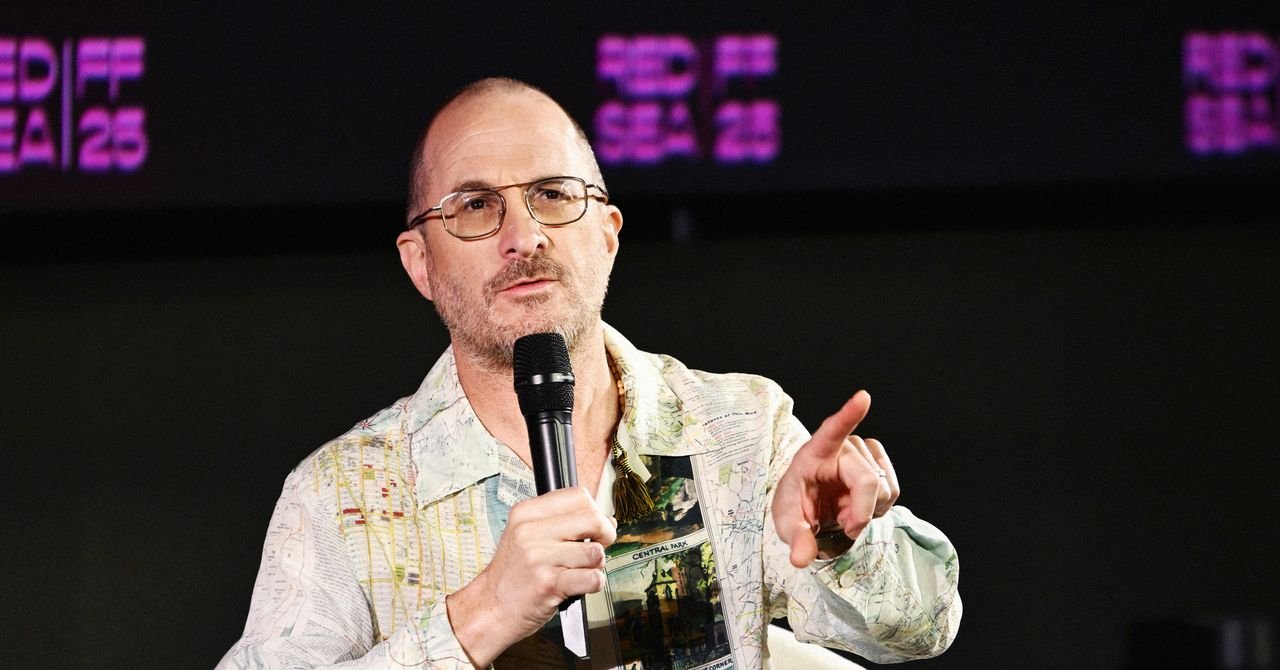
, offers a blow-by-blow account of America’s independence, with short YouTube videos partly generated by Google DeepMind (though actors provide voiceovers). The project has garnered significant scorn, particularly due to acclaimed director Darren Aronofsky’s involvement as executive producer. His studio, Primordial Soup, launched in partnership with Google to explore AI in filmmaking, now finds itself valorizing the nation’s founders with an aesthetic eerily reminiscent of authoritarian meme culture.
Audience Backlash: The Uncanny Valley of AI Content
The YouTube comments for On This Day…1776 are brutal. “If I was a professional director and I released this I would be suicidal,” reads a top-voted comment. Another simply states, “Pure dogshit.” Time Studios limited engagement to channel subscribers, prompting some to subscribe solely to condemn the “slop.” Viewers highlighted the uncanny, glossy-eyed faces of the founding fathers, constant quick cuts (presumably to mask visual errors), and glaring AI blunders, such as DeepMind rendering “America” as “Aamereedd” in a historic document.
This hostility isn’t confined to new AI-generated content. Audiences have shown similar disdain for digitally altered versions of existing entertainment, with social media offering few defenders for nostalgia-baiting commercials that employ such techniques. It’s clear: as AI permeates creative industries, audiences are not just discerning; they are actively rejecting what they perceive as inauthentic, uninspired, or simply bad.
For more details, visit our website.
Source: Link