
Apple’s Unexpected Resurgence in China
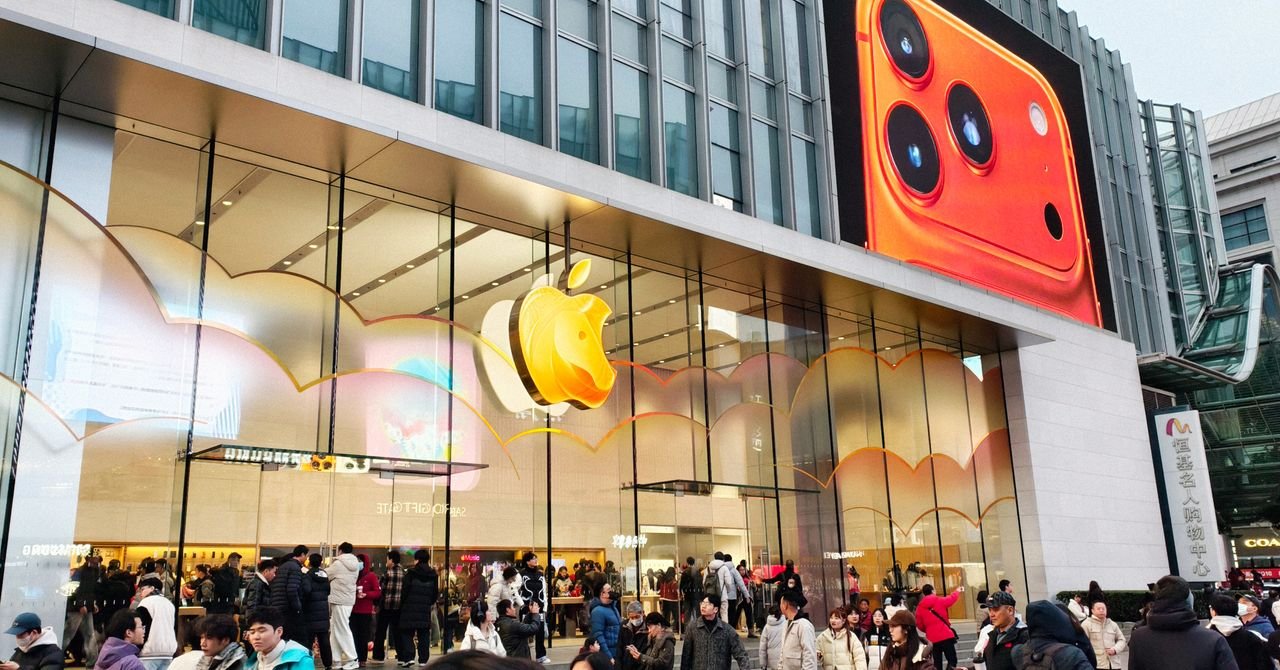
After a protracted period of decline, Apple’s fortunes in China have dramatically reversed. The tech titan recently announced a staggering 38 percent year-over-year increase in revenue from the region during its latest quarter, a surge primarily fueled by an unexpected boom in iPhone demand. This remarkable rebound comes after 18 consecutive months of dwindling sales between 2024 and early 2025, marking a significant turning point for the Cupertino giant.
During an analyst call, CEO Tim Cook expressed immense satisfaction, noting a new record for iPhone upgrades among Chinese consumers and double-digit growth in users migrating from other operating systems to iOS. “Overall, a great quarter in China. We could not be happier with it,” Cook stated, his characteristic monotone belying the excitement of the achievement.
The Shifting Sands of Competition
Apple’s stellar performance caught many market observers off guard. In recent years, formidable homegrown brands like Huawei and Xiaomi had aggressively chipped away at Apple’s market share. These competitors launched premium, feature-rich devices, directly challenging the iPhone’s dominance. Huawei, for instance, made headlines in September 2024 with its groundbreaking $2,800 smartphone featuring a trifold screen, a technological leap ahead of many rivals.
Yet, the most compelling aspect of Apple’s comeback isn’t a flashy technological leap. Instead, experts suggest Apple’s strategy was refreshingly straightforward: release a new iPhone that is both powerful and competitively priced. Despite local brands offering devices with technically superior cameras and more advanced artificial intelligence capabilities (Apple Intelligence is notably absent in mainland China), a significant number of consumers still gravitated towards Apple’s iPhone 17 lineup.
This trend underscores a crucial insight into the Chinese market: consumers continue to prioritize Apple’s potent brand power and refined design over marginal technical enhancements. “It’s a good story if you’re Apple. It’s the same old story if you’re not Apple,” remarked Gerrit Schneemann, a senior analyst at Counterpoint, a global technology research firm.
The iPhone 17’s Strategic Edge and Beijing’s Boost
A significant portion of Apple’s success last quarter can be attributed to the baseline iPhone 17 model. Historically, early adopters often favor the higher-end Pro and Pro Max variants. However, in 2025, the standard iPhone 17 presented a more substantial upgrade from its predecessor, the iPhone 16, incorporating features traditionally reserved for the Pro series. This enhanced offering likely incentivized more users to upgrade sooner than usual, according to Schneemann.
Beyond product strategy, a critical external factor played into Apple’s hands: a massive electronics subsidy program initiated by the Chinese government. In 2025, Beijing allocated approximately $43 billion to stimulate the economy by subsidizing domestic purchases of electronics, appliances, and cars. Smartphones priced under 6,000 RMB (around $860) qualified for discounts of up to 15 percent. Apple shrewdly priced the iPhone 17 in China at 5,999 RMB, ensuring price-sensitive buyers could benefit from the government’s policy.
This state subsidy also coincided with an opportune moment for many Chinese iPhone users due for an upgrade. “Apple’s last peak sales period came with the iPhone 13 series, and after a span of three to four years, its existing users have gradually entered the upgrade cycle this year,” explained Arthur Guo, a Beijing-based research manager at IDC.
The Competitive Landscape: A Mixed Bag
It’s important to note that Apple’s resurgence doesn’t necessarily imply a failure on the part of its Chinese competitors. Guo highlighted that domestic brands like Xiaomi, Vivo, and Oppo have also experienced considerable growth, with their expensive flagship models, particularly the Pro/Pro Max variants, performing strongly across the board.
The notable exception was Huawei, which faced a sales setback last quarter due to a delayed flagship phone launch at the end of November, compounded by initial supply shortages. As Apple’s most formidable rival in China’s high-end market, Huawei’s temporary absence almost certainly contributed to Apple’s impressive win.
A Global Trend and a Bitter Lesson
Apple’s triumph in China mirrors its broader global success. The company’s share of the US smartphone market, for instance, reached a record 69 percent last quarter. As the smartphone industry braces for potential turbulence from memory chip shortages, Apple appears well-positioned for a smoother 2026 than many of its competitors.
Apple’s recent trajectory in China offers a poignant lesson for its domestic rivals: despite fervent rhetoric supporting local brands and their increasingly sophisticated devices, Chinese consumers continue to demonstrate a strong allegiance to Apple. While Chinese tech giants innovate with folding phones and advanced AI, Apple’s momentum was regained through strategic pricing, brand appeal, and relatively minor, yet impactful, upgrades to its core iPhone offering.
For more details, visit our website.
Source: Link