
Introduction: Stepping into Tomorrow’s Realities
Once a niche curiosity, Virtual Reality (VR) has matured into a robust platform offering immersive experiences across gaming, fitness, creative work, and social interaction. As we look to 2026, the hardware has evolved significantly, delivering unparalleled presence through sharper displays, wider fields of view, and tracking systems that make virtual movement feel instinctively natural. VR is no longer a mere novelty; it’s a dynamic platform inviting extended engagement.
However, the VR landscape is diverse. Headsets are designed with different priorities in mind – some champion standalone convenience, while others demand powerful PC companions for peak fidelity. Compatibility, especially with the rise of mixed reality and early smart glasses, is also a critical factor. This comprehensive guide will navigate the best VR headsets available in 2026, helping you identify the perfect gateway to your virtual world.
Our Commitment to Immersive Tech Reviews
At Engadget, our commitment to rigorous testing of consumer technology dates back to 2004. Our editorial integrity is paramount; while our stories may feature affiliate links that could earn us a commission on purchases, our recommendations are always driven by thorough evaluation and unbiased expert opinion. We delve deep into each product to ensure you receive trustworthy, insightful advice.
Choosing Your Virtual Gateway: Key Considerations
Before diving into our top picks, consider what you seek from a VR experience:
- Standalone vs. PC-Powered:
Do you prefer untethered freedom or the graphical prowess of a high-end gaming PC?
- Mixed Reality Capabilities: Are you interested in blending virtual elements with your real-world surroundings?
- Budget: Prices range from accessible entry-points to premium, cutting-edge devices.
- Ecosystem: What games, apps, and platforms are most important to you?
The Top VR Headsets of 2026
Meta Quest 3: The All-Round Champion
Expert Score: 88/100
The Meta Quest 3 stands as the undisputed king of versatility, delivering a significant leap forward from its predecessors. More comfortable, equipped with superior screens, and featuring full-color mixed reality cameras, it seamlessly bridges the gap between the digital and physical realms. While its $499 price tag is higher than previous models, the enhanced hardware and optics promise years of immersive enjoyment.
Powered by Qualcomm’s Snapdragon XR2 Gen 2 chip, the Quest 3 boasts double the graphics power of the Quest 2, evident in visually stunning titles like Red Matter 2, which now rival PC VR experiences. Its new displays (2,064 x 2,208 pixels per eye) even surpass the PlayStation VR2 in clarity. The mixed reality cameras are a game-changer, allowing quick glances at your real-world surroundings or enabling room-scale augmented reality games. The Quest 3 isn’t just a solid VR headset; it’s a compelling glimpse into the future of mixed reality. Furthermore, its PC VR compatibility via a link cable expands its utility beyond standalone use, offering the best of both worlds.
Pros:
- Sharp new screens and lenses
- Faster performance with Snapdragon XR2 Gen 2
- Full-color mixed reality cameras for seamless blending
- Adjustable for glasses wearers
Cons:
- More expensive than previous Quest models
- Base model offers only 128GB storage
- No significant battery life improvements
Price: $499 at Amazon
Apple Vision Pro M5: The Pinnacle of Spatial Computing
Expert Score: 78/100
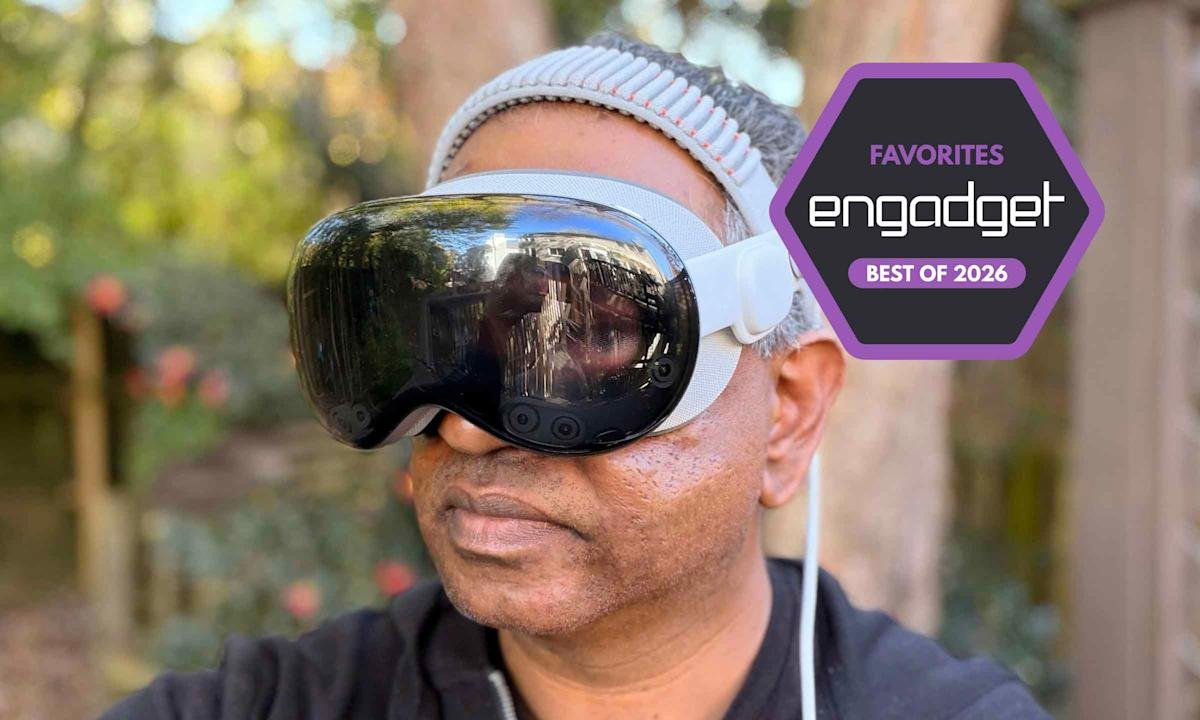
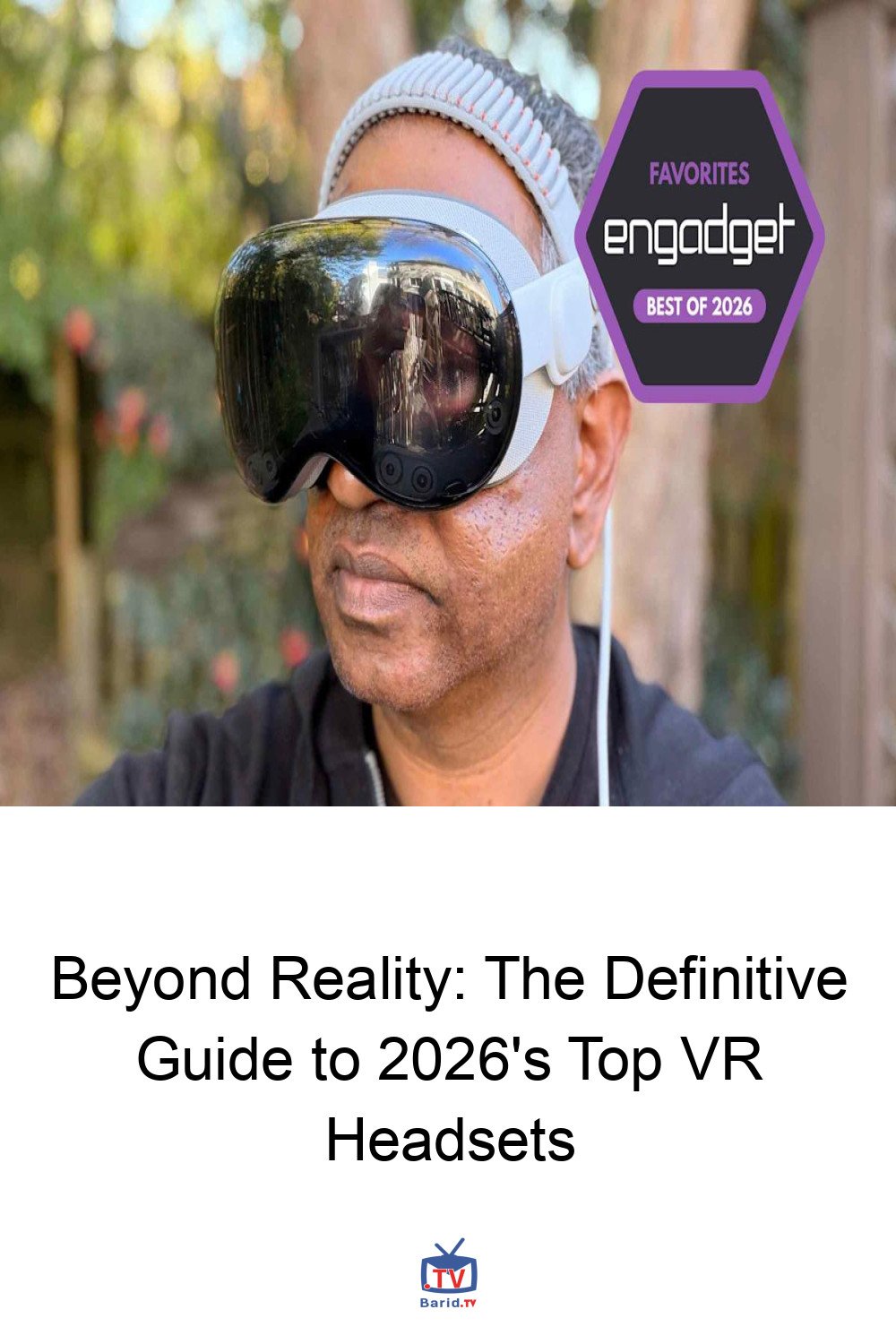
Apple’s second iteration of the Vision Pro, featuring the M5 chip, reinforces the company’s commitment to spatial computing. This update brings enhanced speed and power efficiency, alongside a more comfortable Dual Knit Band designed to better distribute the headset’s weight. The M5 Vision Pro renders 10% more pixels than its predecessor and supports a faster 120Hz refresh rate for incredibly smooth interactions.
While the visual difference might be subtle to the untrained eye, the Micro OLED screens remain phenomenal. Text on websites and mirrored Mac displays is exceptionally crisp, and Immersive Video content scales to breathtaking heights. However, with its premium $3,500 price point and a still-developing content library, the Vision Pro M5 remains a device for early adopters and professionals seeking the absolute cutting edge of AR/VR integration, rather than the typical consumer.
Pros:
- Unparalleled Micro OLED display quality and clarity
- Enhanced M5 chip for faster performance and efficiency
- Improved comfort with Dual Knit Band
- Seamless integration with Apple ecosystem
Cons:
- Exorbitant price point ($3,500)
- Limited content library compared to gaming-focused headsets
- Still a relatively heavy device
- Not for the typical consumer
Price: $3,499 at Apple
Meta Quest 3S: The Budget-Friendly Entry
For those looking to dip their toes into VR without breaking the bank, the Meta Quest 3S offers a compelling package at just $318. While it might not boast all the premium features of its Quest 3 sibling, it provides an excellent standalone VR experience, making it an ideal choice for newcomers or those seeking an affordable, accessible gateway to virtual worlds.
Price: $318 at Amazon
PlayStation VR 2: Console Gaming’s Immersive Edge
Exclusively for PlayStation 5 owners, the PlayStation VR 2 ($350) delivers a high-fidelity VR gaming experience. Leveraging the PS5’s power, it offers stunning visuals and haptic feedback through its Sense controllers, creating deeply immersive gameplay that’s tailored for the console ecosystem. If you’re a PS5 gamer eager to explore VR, this is your go-to headset.
Price: $350 at Sony
Valve Index VR Kit: The PC VR Enthusiast’s Dream
For the dedicated PC gamer, the Valve Index VR Kit ($999) remains a top-tier choice. Renowned for its wide field of view, high refresh rate, and precise tracking, it offers an unparalleled PC VR experience. While it requires a powerful gaming rig, the Index delivers the ultimate in immersion and customization for those who demand the very best from their virtual adventures.
Price: $999 at Steam
How We Test VR Headsets
Our rigorous testing protocol for VR headsets involves extensive hands-on use across a variety of scenarios. We evaluate:
- Comfort and Ergonomics: How well the headset fits, its weight distribution, and suitability for extended wear.
- Display Quality: Resolution, refresh rate, field of view, and visual clarity.
- Performance: Processing power, tracking accuracy, and responsiveness in diverse applications and games.
- Mixed Reality Capabilities: The quality and utility of passthrough cameras and AR features.
- Battery Life: Real-world usage duration for standalone devices.
- Ecosystem and Content: The breadth and quality of available games, apps, and experiences.
- Value: Assessing features and performance against the price point.
Conclusion: The Future is Virtually Here
The VR landscape in 2026 is vibrant and diverse, offering compelling options for every budget and use case. From the versatile Meta Quest 3 to the cutting-edge Apple Vision Pro M5, and specialized options for console and PC gamers, there’s never been a better time to step into virtual reality. Choose wisely, and prepare to be transported.
For more details, visit our website.
Source: Link