
Netflix Navigates a Congressional Culture War Amidst Merger Bid
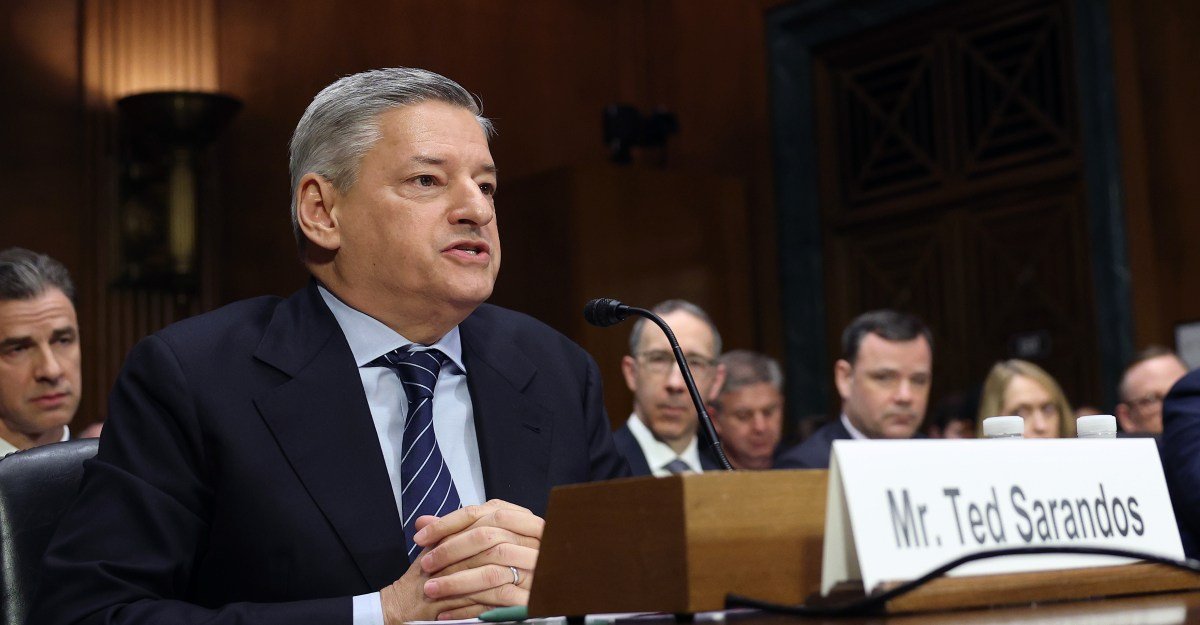
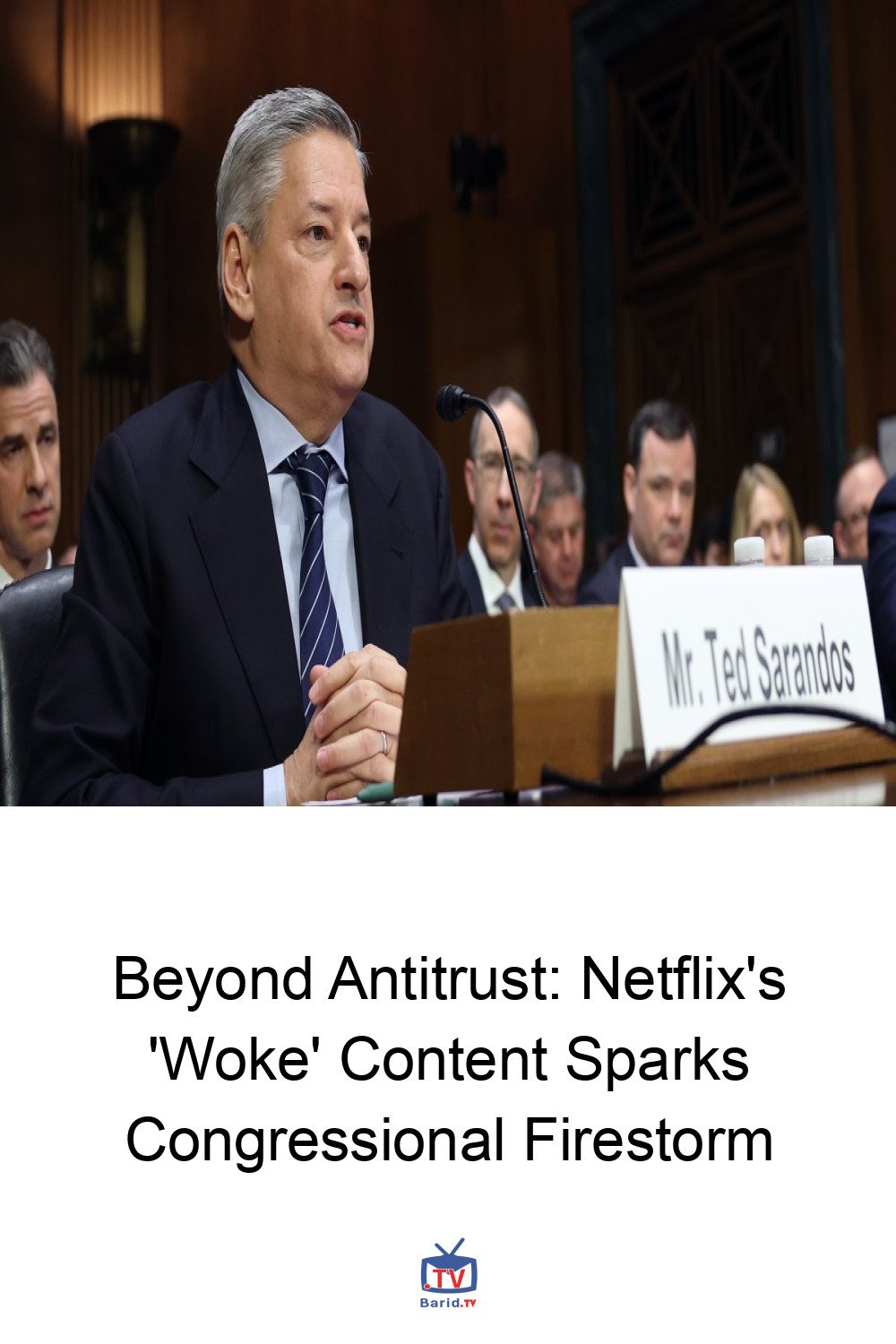
In a dramatic Senate Judiciary Committee hearing, Netflix Co-CEO Ted Sarandos found himself at the epicenter of a burgeoning culture war, as the streaming giant’s ambitious bid to acquire a significant portion of Warner Bros. Discovery faced intense scrutiny. While traditional antitrust concerns regarding market concentration and consumer costs were on the table, a substantial portion of the session quickly devolved into a heated debate over Netflix’s programming choices, specifically its ‘woke’ content featuring transgender characters and other progressive themes.
Beyond Business: The ‘Woke’ Content Controversy
What began as a routine examination of a major media merger swiftly transformed into a platform for Republican lawmakers to air grievances about the perceived ideological bent of Netflix’s library. Senator Eric Schmitt (R-MO) minced no words, questioning the rationale behind approving a deal that would create “the largest behemoth on the planet related to content” while simultaneously accusing Netflix of producing “the wokest content in the history of the world.”
Lawmakers Target LGBTQ+ Themes and Political Leanings
The accusations were specific and pointed. Senator Josh Hawley (R-MO) directly challenged Sarandos on the prevalence of “transgender ideology” in children’s content, alleging that “almost half” of Netflix’s programming for minors promoted such an agenda. Sarandos, visibly on the defensive, denied any political agenda, stating, “Netflix has no political agenda of any kind.”
The French film Cuties
, a controversial title intended as a commentary on the sexualization of young girls but often misinterpreted, also became a focal point. Despite Sarandos clarifying its mature rating, the movie was presented as evidence of Netflix’s alleged ideologically-driven content. Furthermore, lawmakers cited the predominantly Democratic-leaning political donations of Netflix staff and the inclusion of LGBTQ+ characters as further proof of bias.
The cultural critique even extended beyond Netflix’s own content, with Senator Ted Cruz (R-TX) questioning Sarandos and WBD’s Bruce Campbell about their views on artist Billie Eilish’s Grammys speech regarding “stolen land,” an event broadcast by a competitor, Paramount Skydance.
The Competing Bid and Political Undercurrents
Adding another layer of complexity to the proceedings is the competing bid for Warner Bros. Discovery from Paramount Skydance, led by CEO David Ellison. While WBD has reportedly rejected Paramount’s offer, Republicans appear keen to derail Netflix’s acquisition. The political ties of Ellison’s father, Oracle co-founder Larry Ellison, a close ally of former President Donald Trump, introduce a significant political dimension. Senator Cory Booker (D-NJ) highlighted concerns that a Trump administration might not review such a transaction fairly, suggesting that Paramount’s bid, despite potentially raising similar antitrust issues, might find more favor with Republicans due to these connections.
Booker also noted Ellison’s absence from the public hearing, though he confirmed private, “fruitful” discussions with lawmakers.
A New Battleground for Big Tech
The Senate hearing underscores a growing trend where major tech and media companies, once primarily scrutinized for economic monopolies, are now increasingly being drawn into America’s polarized cultural and political debates. For Netflix, a company built on diverse content offerings, the challenge extends beyond securing a merger; it involves navigating a landscape where content choices are politicized and corporate values are under constant public and governmental review. The outcome of this merger bid, and the broader implications of this congressional scrutiny, will undoubtedly set a precedent for how entertainment giants operate in an increasingly politicized digital age.
For more details, visit our website.
Source: Link