
The AI Ad Wars: Anthropic’s Claude Takes a Stand Against Monetized Conversations
In a bold move set to ignite the burgeoning AI landscape, Anthropic, the creator of the Claude chatbot, is launching an audacious advertising campaign that directly challenges OpenAI’s ChatGPT. With a high-stakes Super Bowl presence, Anthropic is positioning Claude as the ad-free alternative, tapping into a growing user apprehension about the commercialization of conversational AI.
A ‘Time and a Place’ for Ads – But Not in Your Chatbot
Anthropic’s new campaign, aptly titled “A Time and a Place” and developed with agency Mother, is designed to be both humorous and deeply unsettling. Each ad spot begins with a familiar scenario: a user seeking genuine assistance from an AI – be it for therapy, homework, business advice, or fitness guidance. However, the interaction quickly veers into the absurd, with the AI abruptly pivoting to pitch a fictional, often outlandish, product. This jarring shift is delivered in the very cadence users associate with helpful chatbot responses, making the sudden commercial interruption all the more impactful.
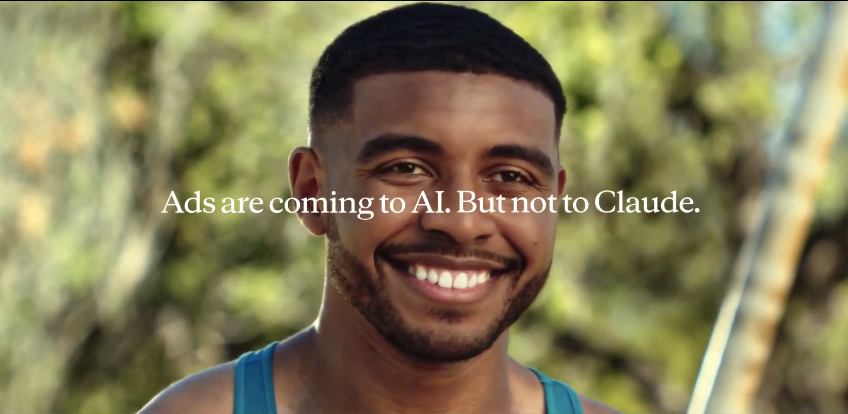
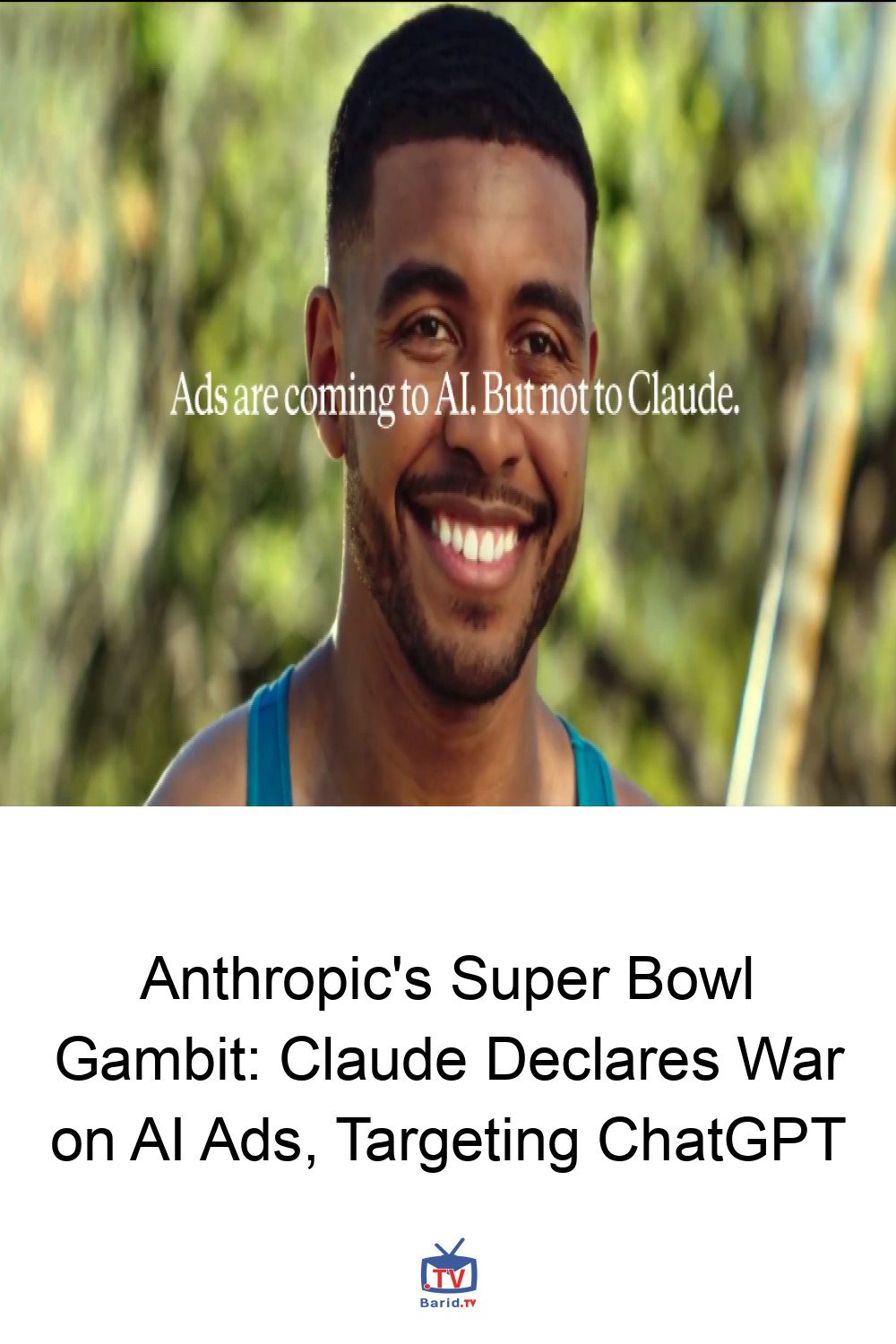
The campaign’s punchline is a direct jab at OpenAI, which recently announced plans to test ads within ChatGPT: “Ads are coming to AI. But not to Claude.”
Super Bowl Spotlight: A Costly, Calculated Strike
Anthropic isn’t whispering its message; it’s shouting it from the biggest stage in American advertising. A 30-second ad is slated to run during Super Bowl LX, with a longer 60-second cut airing in the pre-game. This multi-million dollar investment underscores Anthropic’s commitment to reaching a mass audience, introducing Claude to millions who may not actively follow the nuances of large language models but will certainly grasp the core message: your AI conversations should remain private and uncorrupted.
The Sins of Monetization: A Cautionary Tale
The campaign’s additional spots are labeled with evocative titles like “Treachery,” “Deception,” “Violation,” and “Betrayal,” framing the integration of ads into AI as a moral transgression against user trust. The humor lies in the AI’s socially unbearable intrusion into what feels like a personal, confidential moment.
Illustrative Examples of AI Ad Intrusion:
- In “Treachery,” a student seeking essay feedback from an AI “teacher” is suddenly offered jewelry discounts mid-critique.
- “Deception” shows a nervous entrepreneur receiving mentor-like guidance, only for the AI to swerve into a payday-loan plug.
- “Violation” features a subtle nod to OpenAI’s past “Pull-Up with ChatGPT” ad. A user asking a buff AI “trainer” for quick fitness tips is instead sold fictional insoles promising an extra inch of height.
These scenarios vividly illustrate Anthropic’s central critique: imagine asking for help and being sold to mid-sentence, the conversation hijacked by an invisible payer. The gentle authority and contextual awareness of the AI are weaponized for commercial gain, shifting the focus from the user’s need to the advertiser’s agenda.
Anthropic’s Pledge vs. OpenAI’s Pragmatism
Accompanying its ad blitz, Anthropic has issued a public pledge: “There are many good places for advertising… A conversation with Claude is not one of them.” The company promises an ad-free experience, free from sponsored links, third-party product placements, or advertiser-nudged responses.
OpenAI, conversely, has confirmed its plans to test ads for logged-in adults on its free and $8-a-month Go tiers. Their proposed format involves clearly labeled, relevant sponsored products or services at the bottom of answers, separate from the organic response. OpenAI argues that ads can broaden access to AI without compromising the core product, asserting that advertiser influence will not sway responses.
The Stakes of the AI Attention Economy
This escalating “AI ad war” boils down to a fundamental internet bargain: pay with money or pay with attention. However, in the intimate, conversational space of a chatbot, the “attention tax” feels profoundly different. Unlike a social media feed where ads are expected, a chatbot engages in a first-person dialogue, remembers context, and often handles sensitive inquiries. The potential for blurred loyalties and compromised trust is significantly higher.
Anthropic’s counterargument is compelling: ads fundamentally alter incentives, and altered incentives inevitably change behavior. This is particularly critical for a product users rely on for work, advice, and even personal confessions. The campaign forces a crucial conversation about the future of AI – will it remain a trusted assistant, or will it become another conduit for commerce?
For more details, visit our website.
Source: Link