

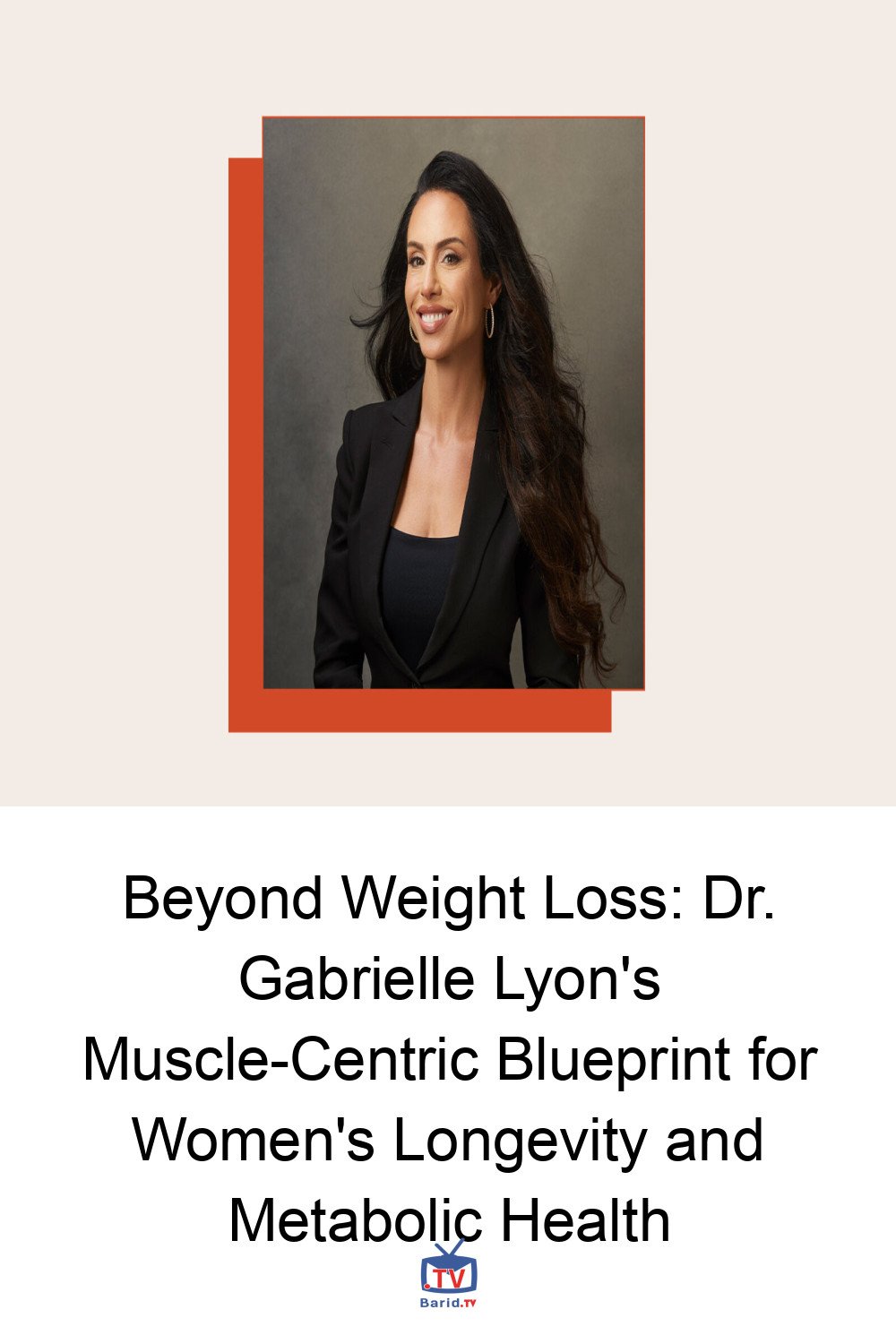
Reclaiming Health: Why Muscle is Your Most Vital Organ
For too long, the narrative around health has been dominated by a singular, often restrictive message: eat less, weigh less, and strive to occupy less space. Yet, this entrenched mindset, according to pioneering physician Dr. Gabrielle Lyon, is actively undermining our long-term well-being. Dr. Lyon, a fellowship-trained physician, New York Times bestselling author, and the visionary behind muscle-centric medicine, posits a revolutionary truth: skeletal muscle, not merely body weight, stands as one of the most critical drivers of longevity, metabolic health, and sustained independence as we age.
In a recent illuminating discussion on the mindbodygreen podcast, and further detailed in her seminal work, The Forever Strong Playbook
, Dr. Lyon challenges the very notion that health equates to restriction. Instead, she reframes strength as a profound responsibility—an active, ongoing commitment to build and protect a vital organ over time. Muscle, she argues, transcends mere aesthetics or athletic performance; it is a dynamic, endocrine organ that underpins everything from precise blood sugar regulation to robust mobility and profound resilience.
The Multifaceted Power of Muscle: Three Essential Pillars
Dr. Lyon meticulously categorizes skeletal muscle into three distinct, yet interconnected, domains, each performing indispensable functions for overall health:
1. The Metabolic Engine
From a metabolic standpoint, healthy muscle mass serves as the primary destination for glucose disposal. This critical function means that many metabolic diseases often find their genesis within compromised muscle tissue. As Dr. Lyon explains, “The more healthy muscle mass you have, the greater place for glucose disposal.” It’s a powerful reminder that robust muscle is your body’s best defense against metabolic dysfunction.
2. The Vascular “Plumbing”
The second pillar delves into what Dr. Lyon aptly terms “the plumbing”—your cardiovascular system. Recent research co-authored by Dr. Lyon and her husband has illuminated a compelling link between muscle mass, strength, and even sexual function. This connection underscores how profoundly muscle health influences vascular integrity and function throughout the entire body, extending far beyond what many traditionally consider its purview.
3. The Strength and Mass Continuum
Finally, there’s the familiar realm of strength and mass. While hypertrophy—the increase in muscle size—is certainly valuable, Dr. Lyon emphasizes the paramount importance of developing functional strength. All three categories demand attention, yet the profound metabolic and vascular benefits of muscle are frequently overshadowed in fitness dialogues that predominantly fixate on outward appearance.
Smarter Training: Embracing Progressive Stimulus Over Pure Load
A pervasive myth in strength training dictates that continuous progression necessitates perpetually lifting heavier weights. Dr. Lyon deftly debunks this, particularly for individuals in their 40s, 50s, and beyond. In these life stages, muscles often gain strength more rapidly than the tendons and joints that support them, leading to an imbalance that significantly elevates injury risk when training is solely driven by increasing load rather than long-term joint health.
Instead of an relentless march toward heavier loads, Dr. Lyon champions the concept of progressive stimulus. This involves strategically varying tempo, volume, and exercise selection to challenge muscles effectively without compromising the delicate health of your joints. Your body adapts intelligently to the nature of the stress it encounters, not merely to arbitrary numbers on a barbell. This nuanced approach renders resistance training both safer and infinitely more sustainable over the long haul, transforming muscle into a powerful tool for metabolic protection, enhanced mobility, and unwavering resilience, rather than a means to fleeting performance gains.
The Nuance of Nutrition: Why Protein Quality Reigns Supreme
When it comes to nutrition, Dr. Lyon’s message is unequivocal: dietary protein is the single most important macronutrient. However, protein is not a monolithic entity. It comprises 20 distinct amino acids, nine of which are essential and must be obtained directly from your diet.
The Leucine Advantage and Beyond
Among these, leucine plays an especially critical role, acting as the primary trigger for muscle protein synthesis—the intricate process that signals your body to build and maintain muscle tissue. Without an adequate intake of approximately 2.5 grams of leucine per meal, adults may consume protein without fully optimizing muscle repair and growth. Yet, other amino acids are equally vital: threonine supports the integrity of the gut lining, while methionine contributes significantly to antioxidant production through glutathione. This intricate interplay underscores why protein quality is as crucial as total grams. Prioritizing foods rich in all essential amino acids ensures comprehensive nutritional support for muscle health.
Navigating the GLP-1 Era: Protecting Your Precious Muscle
Dr. Lyon acknowledges the undeniable benefits of GLP-1 medications for individuals grappling with obesity. However, she voices a profound concern about an impending public health crisis. Research indicates that a significant majority of people discontinue these medications within two years. Critically, the weight lost often includes not just fat, but also precious muscle and bone mass. When weight is subsequently regained off the medication, it typically returns predominantly as fat, effectively accelerating the aging process.
“We are trading one epidemic for another,” Dr. Lyon warns. While obesity presents formidable challenges, the ensuing epidemic of sarcopenia (muscle loss) may prove even more complex and difficult to reverse. Her protocol for anyone utilizing GLP-1s is non-negotiable: consistent resistance training and rigorously prioritized protein intake, including specific amino acid targets, are absolutely essential to mitigate muscle loss and safeguard long-term health.
For more details, visit our website.
Source: Link